
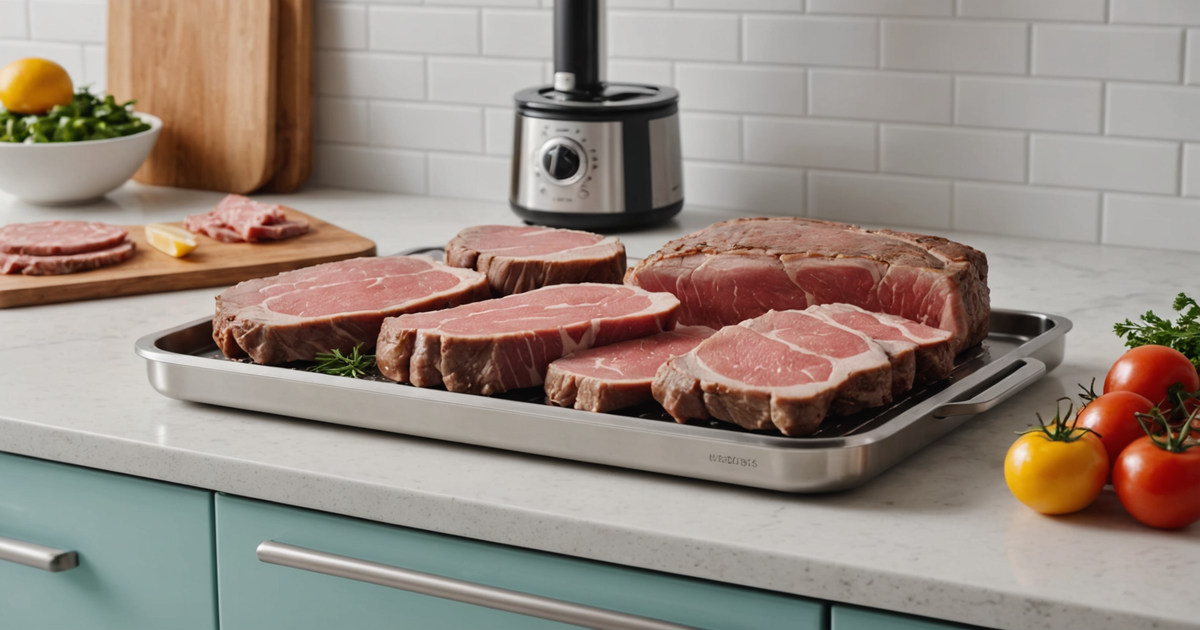
Freeze-drying meats for dogs is a trend that has gained significant traction among pet owners looking for nutritious and preservative-free treats. This method of preservation retains the nutritional value of the meat, making it an excellent choice for health-conscious pet parents. Freeze-dried meats are lightweight, easy to store, and highly palatable to dogs. In this comprehensive guide, we will explore the benefits of freeze-drying, how to freeze-dry meats at home, and tips for ensuring your dog receives a balanced diet. For more detail, see official guidance.
Freeze-drying is a process that removes moisture from meat while retaining its nutrients. This method offers several advantages:. For more detail, see further information.
Nutrient Retention: Unlike traditional drying methods, freeze-drying preserves the meat’s nutritional content, ensuring your dog gets essential vitamins and minerals. For more detail, see detailed advice.
Extended Shelf Life: Freeze-dried meats can last up to 25 years when stored correctly, making them a convenient option for long-term storage. For more detail, see planning resources.
Lightweight and Portable: The lightweight nature of freeze-dried meats makes them perfect for travel, hikes, or as an on-the-go treat. For more detail, see local insights.
High Palatability: Dogs generally find freeze-dried meats irresistible due to the concentrated flavour and aroma.
For more information on the benefits of freeze-drying, you can explore the benefits of salmon dog treats.
When choosing meats to freeze-dry, consider your dog’s dietary needs and preferences. Popular choices include chicken, beef, and lamb. Always opt for high-quality, lean cuts to ensure optimal nutritional benefits.
Trim Fat: Excess fat can hinder the freeze-drying process and affect the shelf life of the product. Trim as much fat as possible from the meat.
Slice Evenly: Cut the meat into even slices or cubes to ensure uniform drying. Thinner pieces freeze-dry more efficiently.
Blanching (Optional): For meats prone to bacterial contamination, such as poultry, consider blanching to kill any surface bacteria.
While commercial freeze-dryers are available, they can be expensive. However, a standard household freezer combined with a few steps can mimic the process:
Initial Freezing: Spread the meat slices on a baking tray in a single layer and place them in the freezer until they are completely frozen.
Drying Phase: Transfer the frozen meat to an airtight container with a desiccant to absorb moisture. Store it in a cool, dry place for several weeks.
Final Check: Ensure the meat is completely dry and crumbly to the touch before storage.
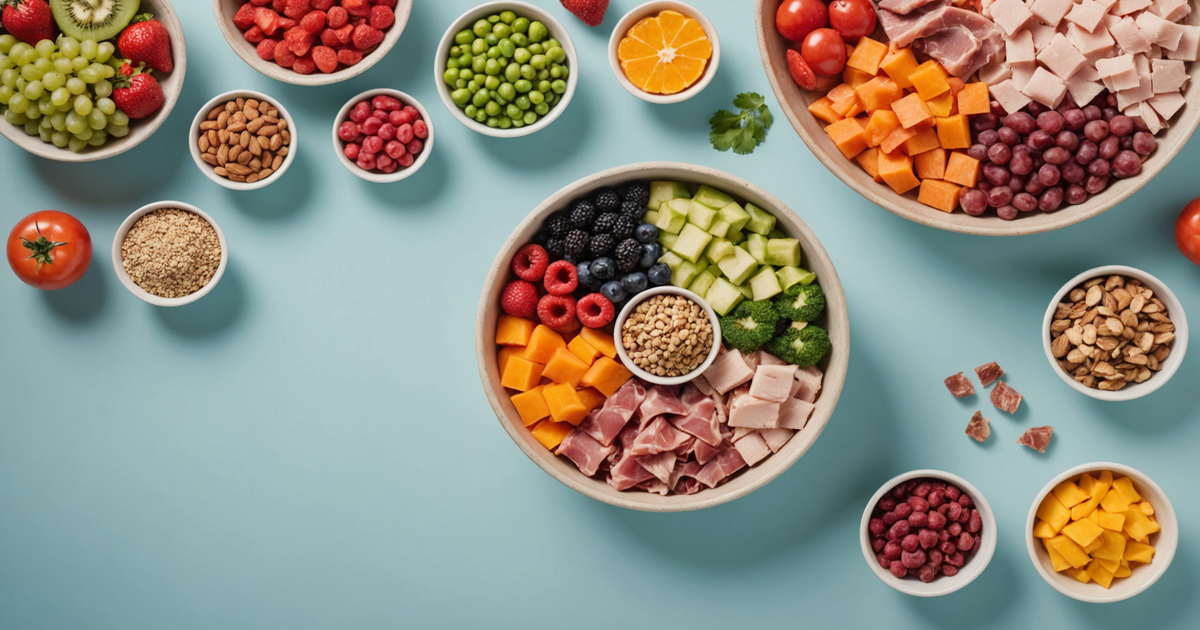
For those interested in ready-made options, the freeze-dry dog food full guide offers insights into commercially available freeze-dried dog foods.
While freeze-dried meats are nutritious, they should not replace a complete and balanced diet. According to the American Association of Feed Control Officials (AAFCO), a diet should include a variety of nutrients to meet your dog’s health needs. Consider incorporating freeze-dried meats as a supplement to kibble or other balanced dog foods.
Incorporate a variety of freeze-dried options such as fruits and vegetables to provide fibre and additional nutrients. Check out freeze-dried veggies for dogs for more information.
For those new to this feeding approach, the dog freeze-dried food explained article is a valuable resource to understand the intricacies of this diet.
Freeze-drying meats for dogs is an innovative way to provide them with high-quality nutrition without additives or preservatives. Whether you choose to prepare it at home or purchase commercially available options, freeze-dried meats can be a beneficial addition to your dog’s diet. Always consult with a veterinarian to ensure that the treats align with your pet’s dietary needs.
Freeze-drying is a dehydration process that removes moisture while preserving nutrients. This method retains the meat’s nutritional content, providing your dog with essential vitamins and minerals in a palatable form.
Most meats can be freeze-dried, but it’s crucial to choose high-quality, lean cuts. Avoid fatty meats as they can spoil more quickly during storage.
Ensure the meat is thoroughly dried and stored in an airtight container in a cool, dry place. Blanching poultry before freezing can also help reduce bacterial contamination.
No, freeze-dried meats should complement a complete and balanced diet. Refer to resources like AAFCO for guidelines on balanced pet nutrition.
Use them as treats or a supplement to a balanced meal. They can also be rehydrated with water or broth to enhance flavour and texture.
Yes, there are many commercial options available. For a full exploration, consider reading our best freeze-dried food brands ranked.
Beyond meat, freeze-dried fruits and vegetables are excellent options. Explore freeze-dried mussels for dogs for a unique treat idea.
By understanding the process and benefits of freeze-drying meats for dogs, you can provide your pet with nutritious treats that contribute to their overall health and well-being.