
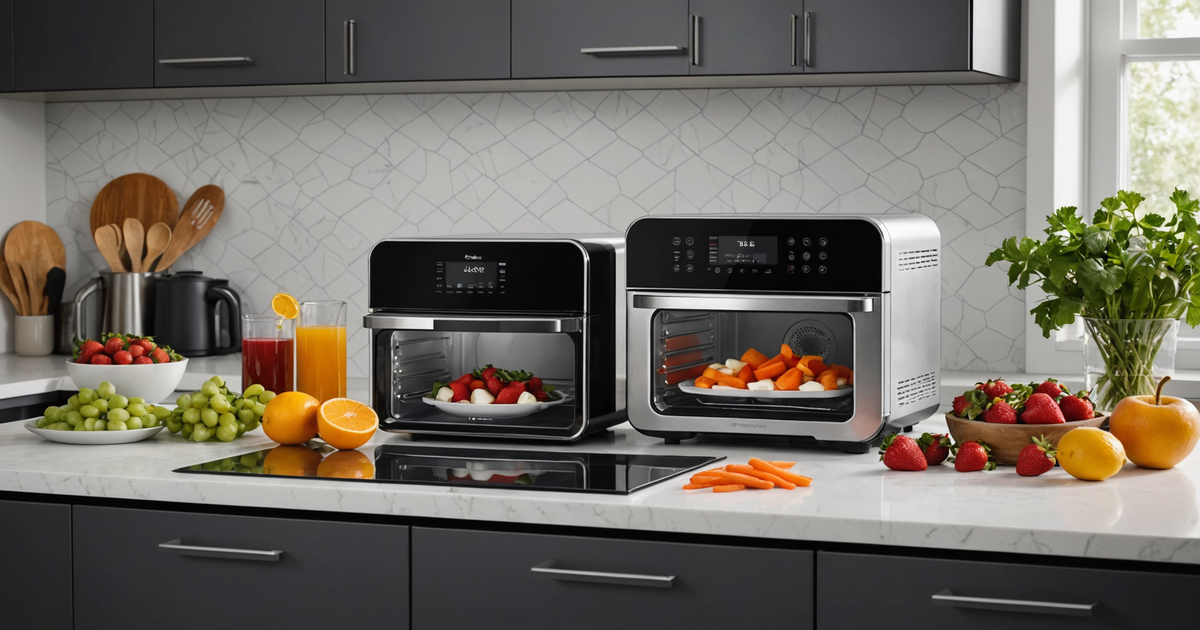
Freeze-dried vegetables for dogs have gained popularity as a nutritious and convenient option for pet owners seeking to enhance their canine companions’ diets. The freeze-drying process involves removing moisture from vegetables while preserving their essential nutrients, making them an excellent choice for those who want to provide their dogs with the benefits of vegetables without the hassle of preparation. In this article, we will explore the advantages of freeze-dried veggies, how they support canine nutrition, and why they might be a suitable addition to your dog’s diet. For more detail, see official guidance.
Freeze-dried vegetables undergo a process where they are frozen and then placed in a vacuum chamber to remove moisture. This method retains the nutritional content, flavour, and texture of the vegetables 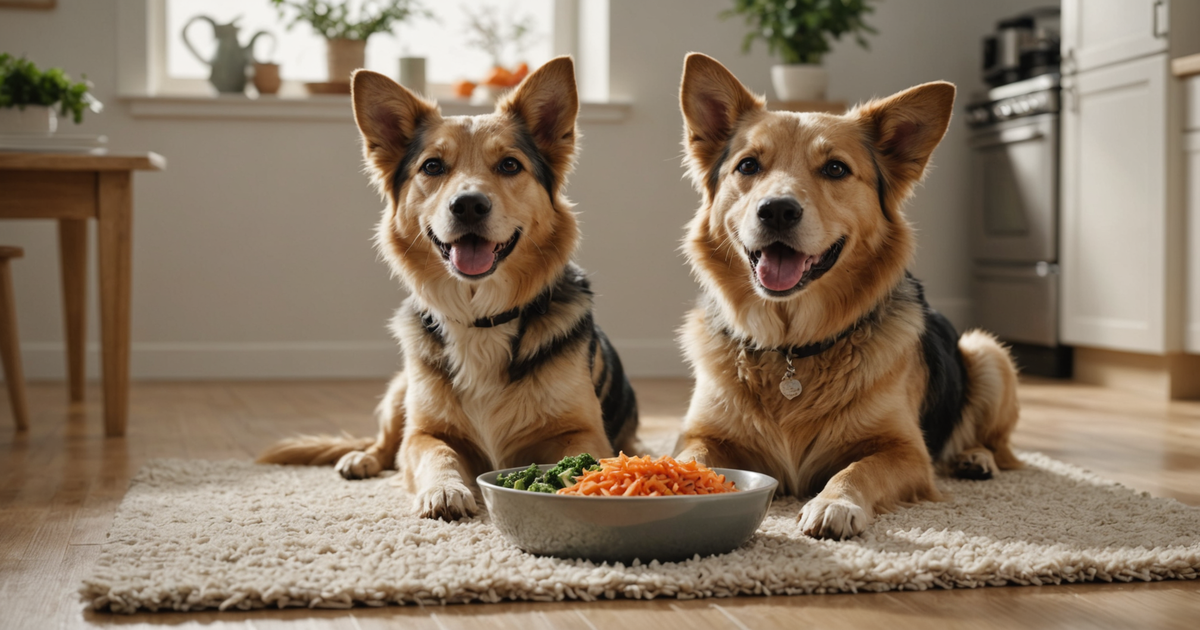 . According to the American Kennel Club, the freeze-drying process helps in maintaining the integrity of nutrients, making these vegetables a wholesome choice for dogs. For more detail, see detailed advice.
Freeze-dried vegetables are rich in vitamins and minerals essential for a dog’s health. Vegetables such as carrots, peas, and sweet potatoes are common options due to their high nutrient content. The Pet Nutrition Alliance highlights that these vegetables provide antioxidants, fibre, and essential vitamins like A, C, and K, which support a dog’s immune system, digestion, and overall well-being. For more detail, see local insights.
One of the primary benefits of freeze-dried vegetables is their convenience. They can be stored easily without refrigeration, making them an ideal choice for pet owners with busy schedules. Additionally, they can be rehydrated quickly with water or added directly to meals for extra crunch and flavour. For more insights on convenient dog food options, you can explore our guide on top freeze-dried dog food brands.
Incorporating freeze-dried vegetables into your dog’s diet can help achieve a more balanced nutritional profile. As emphasised by the Association of American Feed Control Officials, a complete and balanced diet is crucial for maintaining your dog’s health. Freeze-dried vegetables can complement regular dog food by providing additional nutrients that may not be present in standard kibbles.
When introducing any new food into your dog’s diet, it’s essential to do so gradually. Start by adding small amounts of freeze-dried vegetables to their meals and observe any changes in their digestion or behaviour. This cautious approach can prevent potential digestive upset and allow your dog to adjust to the new ingredients.
Freeze-dried vegetables can be served in various ways. You can rehydrate them with water to soften the texture or mix them directly into your dog’s favourite meals. For more creative serving ideas, look at Stella & Chewy’s freeze-dried guide.
While freeze-dried vegetables are nutritious, they should be given in moderation. Overfeeding can lead to an imbalance in your dog’s diet or excessive calorie intake. The World Small Animal Veterinary Association advises pet owners to monitor their dog’s caloric intake to prevent obesity and other related health issues.
Some dogs may have allergies or sensitivities to certain vegetables. It’s crucial to be aware of any adverse reactions, such as itching, gastrointestinal upset, or changes in stool. If you suspect your dog has an allergy, consult your veterinarian for guidance.
Freeze-dried vegetables for dogs offer a convenient and nutritious way to enhance your pet’s diet. With their preserved nutrients and ease of use, these vegetables can be a valuable addition to your dog’s meals, supporting their overall health and well-being. By introducing these vegetables gradually and monitoring your dog’s response, you can ensure they enjoy the benefits without any adverse effects.
Common options include carrots, peas, and sweet potatoes due to their high nutrient content and palatability.
Most dogs can enjoy freeze-dried vegetables, but it’s essential to introduce them gradually and watch for any allergic reactions.
Store them in a cool, dry place, and ensure the packaging is sealed to maintain freshness.
Avoid onions, garlic, and mushrooms, as these can be toxic to dogs.
Freeze-dried vegetables retain more nutrients than canned ones and are more convenient than fresh ones due to their long shelf life.
No, they should supplement a balanced diet, not replace it.
Explore reputable brands and suppliers, such as those listed in our product review section.
Yes, but ensure they are introduced in appropriate amounts and monitor for any adverse reactions.