
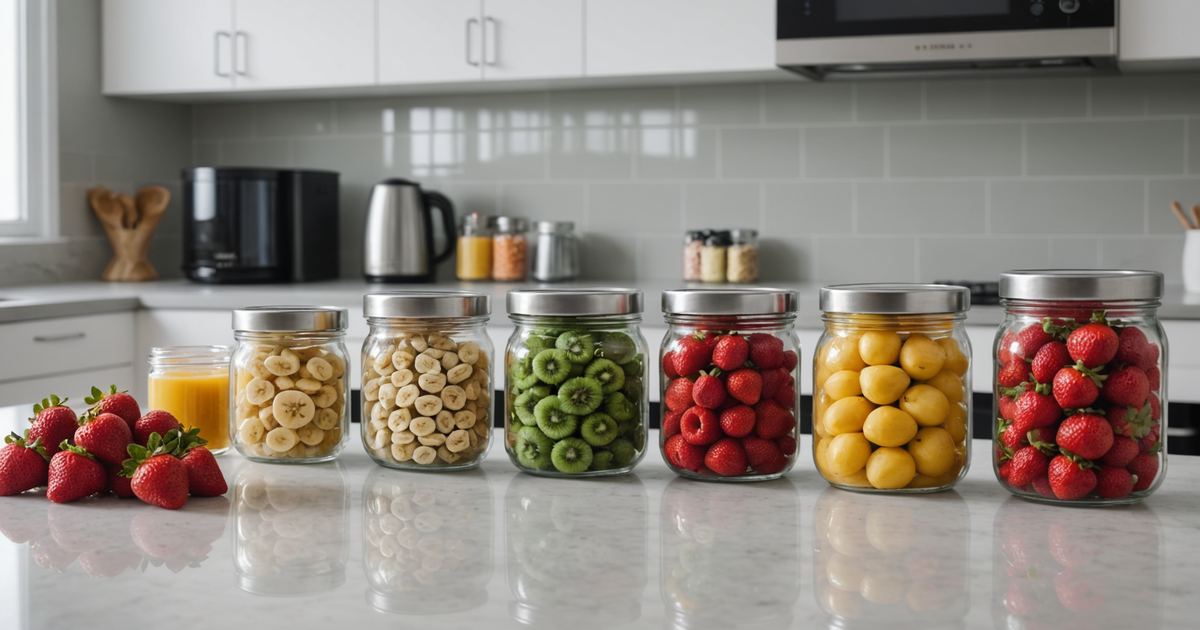
The popularity of freeze-dried foods has soared in recent years, with freeze-dried chicken products leading the charge for both human and pet consumption. These products offer a convenient, nutritious, and long-lasting solution for those seeking high-quality protein sources. In this comprehensive guide, we shall explore the benefits of freeze-dried chicken, how it is made, and its suitability for pets, particularly our canine companions. Whether you’re considering it for its nutritional value or its versatility, this guide will equip you with essential information. For more detail, see further information.
Freeze-dried chicken is revered for several reasons, primarily its ability to retain nutrients and flavour. The freeze-drying process removes moisture while preserving the nutritional integrity and taste of the chicken. This makes it an excellent choice for maintaining a balanced diet, be it for humans or pets. For more detail, see planning resources.
Nutrient Retention: The process ensures that essential vitamins and minerals are preserved. According to the Pet Food and Treats guidelines by the FDA, the nutrient profile of freeze-dried products remains largely intact, making it a healthy option. For more detail, see local insights.
Longevity: Freeze-dried foods have an extended shelf-life compared to fresh or frozen alternatives. This makes them ideal for stocking up without the worry of spoilage.
Convenience: Lightweight and easy to store, freeze-dried chicken is perfect for travel or quick meal prep.
Versatility: It can be rehydrated and used in various recipes, making it a versatile ingredient in the kitchen.
The process of freeze-drying involves several steps, beginning with the selection of quality chicken. The chicken is then cooked, frozen, and placed in a vacuum chamber. Here, the temperature is reduced to a level where the ice sublimates, turning from solid to vapour without passing through a liquid phase. This ensures the chicken retains its structure and nutritional content.
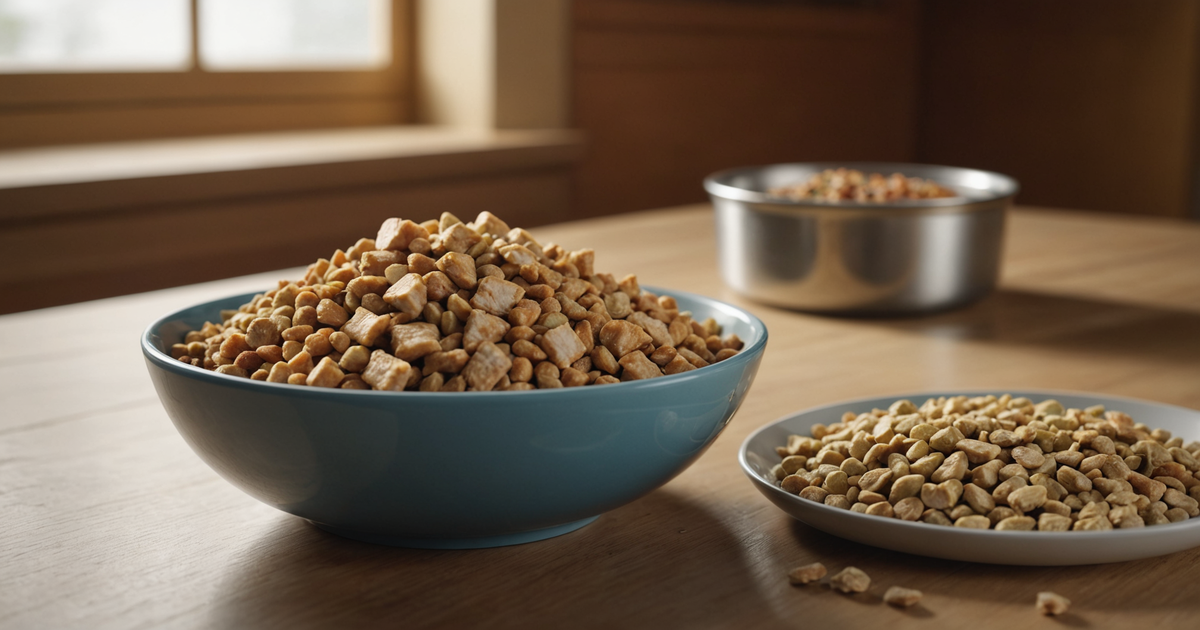
Dogs can greatly benefit from freeze-dried chicken due to its high protein content and palatability. Many pet owners choose freeze-dried dog food as part of a balanced diet, providing essential nutrients while maintaining convenience.
According to the American Veterinary Medical Association, ensuring a complete and balanced diet for pets is crucial for their health. Freeze-dried chicken can be a valuable component of this diet, offering proteins that support muscle development and overall health.
While dogs are more commonly associated with freeze-dried diets, cats too can enjoy the benefits of freeze-dried cat food. It’s a great way to incorporate high-quality protein into their diet, ensuring they receive the nutrients necessary for a healthy life.
When selecting a freeze-dried chicken product, consider the following factors:
Quality of Ingredients: Opt for products with high-quality, human-grade chicken. This ensures the best nutritional benefits for you or your pet.
Brand Reputation: Choose brands with a solid reputation for quality and safety. Look for those that adhere to AAFCO standards.
Additives and Preservatives: Check labels for unnecessary additives or preservatives, which can detract from the product’s health benefits.
Price: While freeze-dried products can be more expensive, investing in quality ensures better health outcomes.
Freeze-dried chicken can be a fantastic treat for pets. Its natural taste and texture make it a favourite among dogs and cats. For a range of freeze-dried treats for pets, consider options that provide a nutritional boost while satisfying your pet’s cravings.
Incorporating freeze-dried chicken into your pet’s meal can enhance its nutritional profile. Simply rehydrate the chicken with water and mix it with other ingredients for a balanced meal.
Freeze-dried chicken products offer a myriad of benefits, from nutrient retention to convenience and versatility. Whether you’re incorporating it into your diet or your pet’s, these products provide a high-quality protein source that supports a healthy lifestyle. As with any dietary choice, it’s important to ensure that the products meet the necessary nutritional guidelines and standards.
1. What is freeze-dried chicken?
Freeze-dried chicken is chicken that has undergone a process to remove moisture while retaining its nutrients and flavour.
2. Is freeze-dried chicken safe for pets?
Yes, freeze-dried chicken is safe for pets and offers a nutritious, protein-rich option for both dogs and cats.
3. How should freeze-dried chicken be stored?
Store freeze-dried chicken in a cool, dry place to maintain its shelf-life and prevent spoilage.
4. Can freeze-dried chicken be used as a regular meal for pets?
While it can be part of a balanced diet, it is recommended to consult with a vet to ensure all nutritional needs are met.
5. How long does freeze-dried chicken last?
Properly stored, freeze-dried chicken can last for several years without losing its nutritional value.
6. Are there any additives in freeze-dried chicken?
High-quality freeze-dried chicken should have minimal additives. Always check the product label for any unnecessary ingredients.
7. Can humans eat freeze-dried chicken?
Yes, freeze-dried chicken is also suitable for human consumption, provided it is processed under food-grade conditions.
8. Where can I find freeze-dried chicken products?
Freeze-dried chicken products are available in many pet stores and online, ensuring you can easily find a product that suits your needs.