
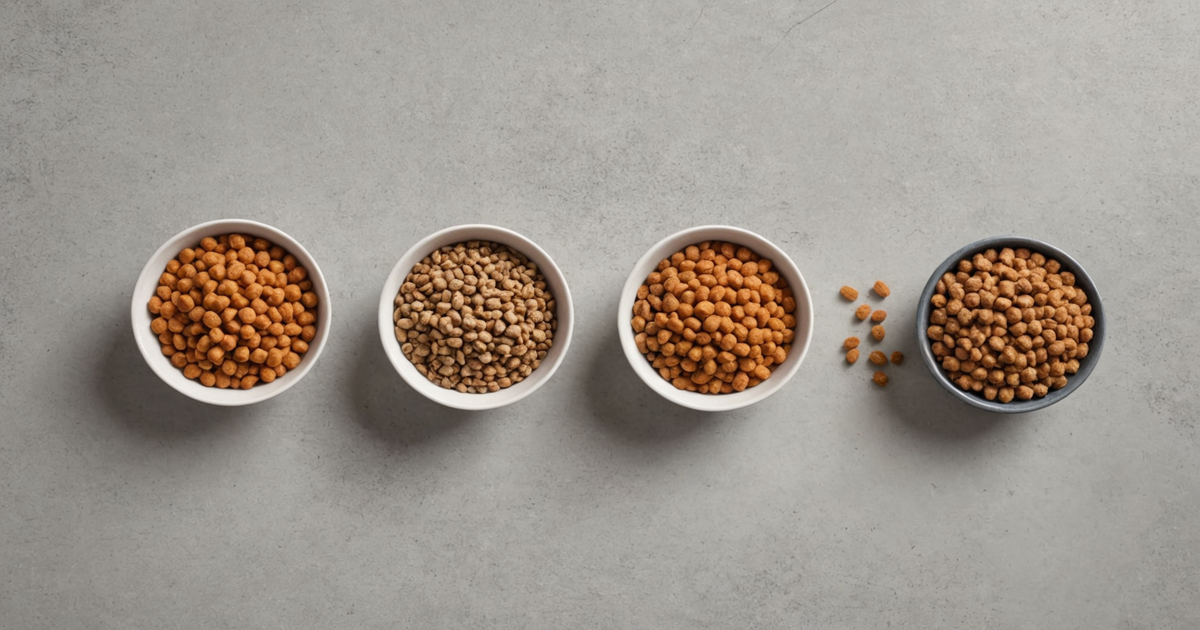
In recent years, the pet food industry has seen a significant rise in the popularity of alternative diets for dogs, with freeze-dried dog food emerging as a top choice for many pet owners. This innovative approach to canine nutrition combines the benefits of raw feeding with the convenience of traditional kibble. But what exactly is freeze-dried dog food, and why are so many pet owners turning to it? This comprehensive guide provides a full overview of freeze-dried dog food, helping owners understand the advantages and considerations of this modern dietary option. For more detail, see official guidance.
Freeze-dried dog food is created by removing moisture from raw ingredients through a process called sublimation. This involves freezing the food and then reducing the surrounding pressure to allow the frozen water in the food to change directly from solid to gas, bypassing the liquid stage. The result is a lightweight, shelf-stable product that retains most of its nutritional value and flavour. For more detail, see further information.
Feeding your dog freeze-dried food is relatively straightforward. The food can be served as-is or rehydrated with water to enhance palatability. Here’s a simple step-by-step guide:. For more detail, see local insights.
For those interested in exploring various freeze-dried options, our detailed dog food reviews offer valuable insights into different brands and formulations.
While kibble remains a staple in many households, freeze-dried dog food offers a more natural alternative. Kibble is typically extruded under high pressure and heat, which can degrade some nutrients. In contrast, freeze-dried food retains its nutritional profile, making it a preferable choice for health-conscious pet owners.
Raw feeding is praised for its nutritional benefits but comes with challenges like storage and preparation. Freeze-dried dog food provides a safer and more convenient way to offer similar benefits without the hassle.
Despite its many benefits, there are a few considerations to keep in mind:
For an in-depth look at freeze-dried treats, explore our freeze-dried beef liver options, known for their high nutritional value and palatability.
When selecting freeze-dried dog food, consider the following factors:
For additional guidance on dog nutrition, the Pet Nutrition Alliance offers a wealth of resources for pet owners.
Freeze-dried dog food represents an innovative approach to canine nutrition, offering a balance between the benefits of raw feeding and the convenience of traditional dog food. While it may not be the perfect fit for every dog owner, it certainly provides a compelling option for those seeking to enhance their dog’s diet. By understanding the nuances of freeze-dried dog food, pet owners can make informed decisions that contribute to the health and happiness of their furry companions.
For more insights into pet health and nutrition, explore our pet health category, which covers a range of topics from dietary supplements to lifestyle tips.
1. Is freeze-dried dog food safe for all dogs?
Yes, freeze-dried dog food is generally safe for most dogs. However, it’s important to ensure the product meets the dietary needs of your specific dog. Consulting with a veterinarian can provide additional assurance.
2. Can freeze-dried dog food replace traditional kibble entirely?
While freeze-dried dog food can be used as a complete diet, it’s vital to ensure it meets all nutritional requirements as per AAFCO guidelines.
3. How should freeze-dried dog food be stored?
Store freeze-dried dog food in a cool, dry place, and seal the packaging tightly to maintain freshness.
4. Are there any risks associated with feeding freeze-dried dog food?
The main risk is potential overfeeding due to its dense nutritional content. Always follow feeding guidelines and adjust as necessary based on your dog’s weight and activity level.
5. Can I mix freeze-dried dog food with other types of food?
Yes, you can mix freeze-dried dog food with kibble or other diets to enhance flavour and nutrition.
6. How often should I feed my dog freeze-dried food?
The frequency of feeding depends on your dog’s age, size, and activity level. Typically, it’s fed once or twice daily, following the manufacturer’s guidelines.
7. Does freeze-dried dog food require refrigeration?
No, freeze-dried dog food does not require refrigeration before rehydration, making it convenient for storage.
8. Are there specific freeze-dried treats I should consider?
Freeze-dried treats like freeze-dried chicken hearts are popular for their palatability and nutritional benefits.