
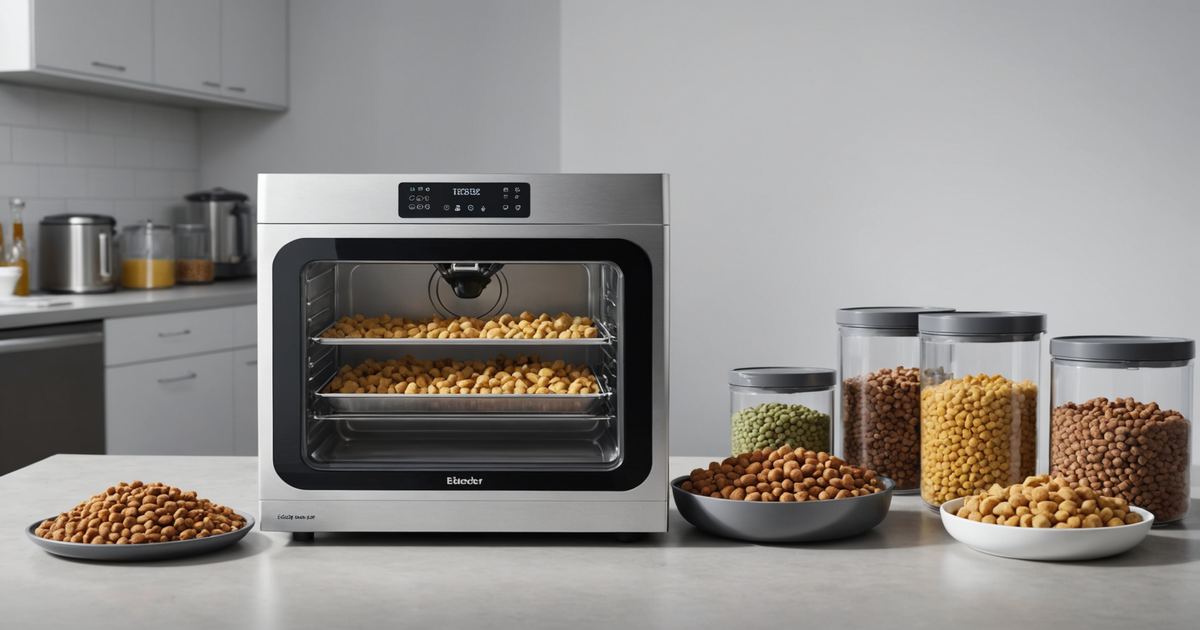
Understanding pet freeze-drying can seem daunting, but it is a growing trend among pet owners seeking better nutrition options for their furry companions. This blog post aims to demystify the freeze-drying process, exploring its benefits, methods, and how to find pet freeze-drying services near you. Whether you’re curious about the nutritional value or simply want to understand what makes freeze-dried pet food different, this guide is your ultimate resource. For more detail, see official guidance.
Pet freeze-drying involves removing moisture from pet food through a vacuum process, rendering it shelf-stable while retaining essential nutrients. This method preserves the food’s natural flavours and nutrients more effectively than traditional drying methods. The process begins by freezing the food at an extremely low temperature. Next, the pressure is reduced, and heat is applied, allowing the frozen water in the food to sublimate directly from solid to gas. For more detail, see further information.
Freeze-dried pet food offers numerous advantages over traditional pet food options. Here’s why you might consider it for your pet:. For more detail, see planning resources.
Nutrient Preservation: Unlike other preservation methods, freeze-drying locks in the nutritional integrity of the food. According to the Pet Nutrition Alliance, maintaining essential nutrients is crucial for your pet’s health.
Extended Shelf Life: Freeze-dried foods last longer without the need for refrigeration, making them a convenient option for pet owners. For more detail, see local insights.
Taste and Texture: Many pets find freeze-dried foods more palatable as they closely mimic the taste and texture of fresh food.
Portability: Lightweight and easy to store, freeze-dried treats are perfect for travel.
Safety: By removing moisture, the risk of bacterial growth is significantly reduced, offering a safer alternative to raw food diets. For more on the safety aspects, see our discussion on freezer dog food.
The freeze-drying process involves several critical steps, each ensuring the preservation of the food’s quality and nutritional value:
Preparation: Fresh ingredients are carefully selected and prepped for freeze-drying. This can include meats, fruits, and vegetables.
Freezing: The prepared ingredients are rapidly frozen to lock in their nutritional properties.
Sublimation: The frozen foods are placed in a vacuum chamber where the surrounding pressure is lowered, allowing ice to sublimate directly into vapour without passing through a liquid phase.
Final Drying: Any remaining moisture is removed through further drying, ensuring the food is shelf-stable.
When searching for “pet freeze-drying near me,” consider several factors to ensure you choose a reputable service:
For those interested in specific freeze-dried options, our reviews on freeze-dried rabbit for pets and freeze-dried duck feet for dogs provide detailed insights.
Pet freeze-drying offers a modern solution to pet nutrition by combining convenience with quality. As pet owners become more discerning about their pets’ dietary needs, freeze-dried foods present a viable alternative to traditional pet foods, offering benefits such as nutrient retention, safety, and palatability.
Choosing the right freeze-drying service involves careful consideration of factors like ingredient quality and company reputation. By understanding the process and benefits, you can make an informed decision that supports your pet’s health and happiness.
1. What is the difference between freeze-dried and dehydrated pet food?
Freeze-dried food is processed at extremely low temperatures and under vacuum, preserving more nutrients compared to dehydration, which uses heat to remove moisture.
2. Is freeze-dried food safe for my pet?
Yes, freeze-dried foods are generally safe as the removal of moisture minimises bacterial growth. For more on the safety of pet food, visit the FDA’s guide on pet food safety.
3. How should I store freeze-dried pet food?
Store it in a cool, dry place in an airtight container to maintain its freshness and shelf life.
4. Can I mix freeze-dried food with conventional pet food?
Yes, freeze-dried food can be mixed with other types of pet food to enhance taste and nutritional value. Check out our guide on mixing freeze-dried dog food.
5. Are there any allergens in freeze-dried pet food?
Ingredients vary by product, so always check labels for potential allergens. For more on ingredient safety, refer to the WSAVA Global Nutrition Guidelines.
6. Is freeze-dried food suitable for all pets?
While generally safe, it’s best to consult with a veterinarian to determine if freeze-dried food is suitable for your specific pet’s dietary needs.
7. How is freeze-dried food different from raw food diets?
Freeze-dried foods offer the benefits of raw diets without the same level of risk from bacteria and spoilage. For more insights, see our comparison of freeze-dried and raw diets.