
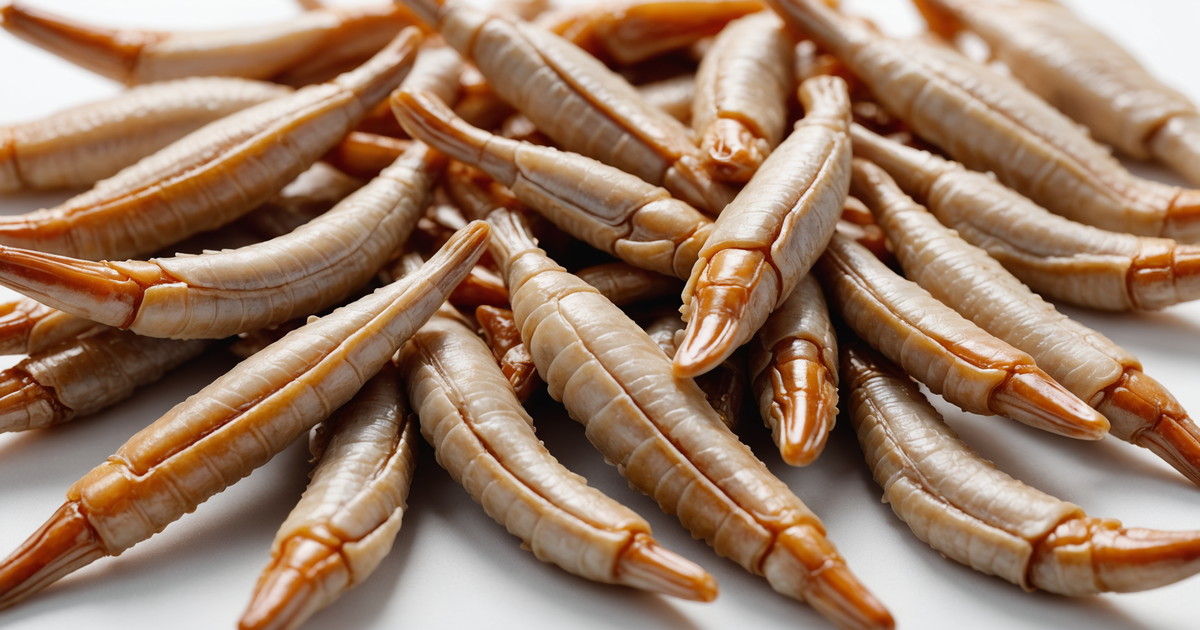
Freeze-dried duck feet are gaining popularity among dog owners as a nutritious and natural chew option. As pet parents become more discerning about what they feed their furry companions, the demand for wholesome and beneficial treats has risen. Freeze-dried duck feet offer a unique combination of health benefits, palatability, and dental care, making them an attractive choice. In this article, we will explore the advantages of freeze-dried duck feet, considerations for feeding them, and answer common questions to help you make an informed decision for your canine friend. For more detail, see official guidance.
Freeze-drying is a preservation method that removes moisture from food while maintaining its nutritional integrity. Unlike conventional drying methods, freeze-drying retains the natural flavours and nutrients of the food. Duck feet, being a novel protein source, are packed with essential nutrients like glucosamine and chondroitin, which are vital for joint health. These nutrients make freeze-dried duck feet not only a delightful treat but also a functional one. For more detail, see further information.
Duck feet are rich in protein and low in fat, providing a healthy snack option for dogs. They are a natural source of glucosamine and chondroitin, supporting joint health and mobility. This is particularly beneficial for older dogs or breeds prone to joint issues. For more detail, see planning resources.

Chewing on freeze-dried duck feet can help improve your dog’s dental health. The natural texture of the feet helps reduce plaque and tartar build-up, promoting healthier gums and fresher breath. Regular chewing is a natural way for dogs to clean their teeth and exercise their jaws.
Unlike other chews, freeze-dried duck feet are highly digestible. This means they are less likely to cause gastrointestinal issues, making them suitable even for dogs with sensitive stomachs. The freeze-drying process ensures the feet are free from harmful bacteria, providing a safe snack option.
While freeze-dried duck feet are beneficial, they should be fed in moderation. Overfeeding can lead to an imbalance in your dog’s diet. It’s essential to supervise your dog during chew time to prevent choking hazards, especially if your dog is a vigorous chewer.
Ensure you purchase freeze-dried duck feet from reputable brands that adhere to high safety and quality standards. Look for products with clear labelling and sourcing information. It’s advisable to consult resources like the Pet Food and Treats guide by the FDA for more information on safe pet food practices.
Introduce any new treat gradually to monitor for potential allergic reactions. Duck is often considered a novel protein, which may be beneficial for dogs with common protein allergies. However, always observe your dog for any adverse reactions and consult your veterinarian if you have concerns.
When selecting freeze-dried duck feet, consider factors such as size, quality, and brand reputation. Brands like Stella & Chewy’s are known for their high-quality freeze-dried products. These brands often provide transparency about their sourcing and manufacturing processes, ensuring you are giving your dog the best possible treat.
Freeze-dried duck feet are an excellent natural treat option for dogs, offering a blend of nutrition, dental benefits, and digestibility. By selecting high-quality products and feeding them responsibly, you can enhance your dog’s diet and contribute to their overall well-being. As always, consult with your veterinarian when introducing new elements into your dog’s diet to ensure it aligns with their nutritional needs.
Yes, freeze-dried duck feet are generally safe for most dogs. However, always supervise your dog while they’re chewing to prevent choking, and consult your vet if your dog has specific dietary needs or health concerns.
No, freeze-dried duck feet should not replace balanced meals. They are intended as a treat or supplement to a complete diet. For advice on balanced pet feeding, refer to the WSAVA Global Nutrition Guidelines.
It’s best to offer freeze-dried duck feet in moderation, perhaps a few times a week, depending on your dog’s size and dietary needs. Overconsumption can lead to dietary imbalances.
Yes, like all food products, freeze-dried duck feet have a shelf life. Always check the packaging for expiry dates and store them in a cool, dry place to maintain freshness.
Dogs with specific allergies to poultry or those with severe dental issues may need to avoid freeze-dried duck feet. Always consult your veterinarian if you are unsure.
Store them in an airtight container in a cool, dry place to retain their freshness and prevent spoilage. Proper storage can extend their shelf life and maintain their nutritional quality.
If your dog shows signs of an allergic reaction, such as itching, swelling, or gastrointestinal upset, stop feeding the treat immediately and consult your veterinarian.
For more insights into pet nutrition, visit the Pet Nutrition Alliance for valuable resources and guidelines.