
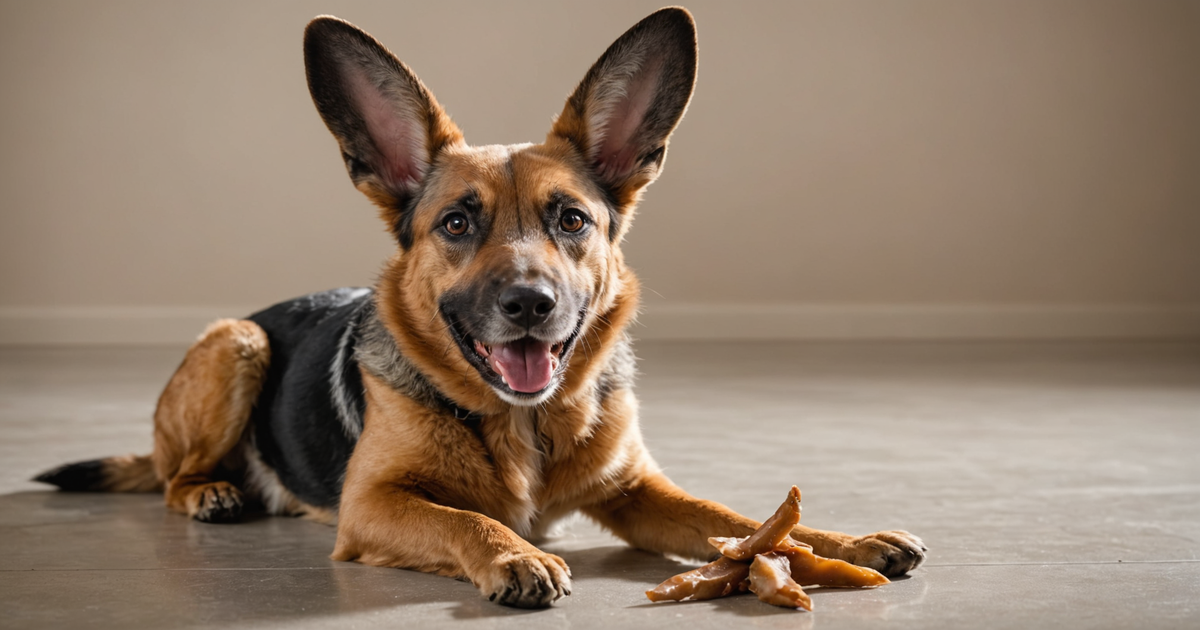
In the quest for the perfect treat for our canine companions, many pet owners are turning to natural and nutritious options. Freeze-dried rabbit ears for dogs have emerged as a popular choice, boasting a myriad of health benefits that appeal to even the most discerning dog owner. These natural chews not only satisfy your dog’s instinctual desire to gnaw but also offer a wealth of nutritional advantages. In this comprehensive guide, we will delve into the benefits of freeze-dried rabbit ears, their nutritional composition, and how they compare to other popular dog treats on the market. For more detail, see official guidance.
Freeze-dried rabbit ears are exactly what they sound like: the ears of rabbits, preserved through the process of freeze-drying. This method involves freezing the rabbit ears and then reducing the surrounding pressure to remove the frozen water, leaving a dry, shelf-stable product. This process retains most of the nutritional value and flavour of the rabbit ears, making them an excellent treat for dogs. For more detail, see further information.
Rabbit ears are not just a tasty treat; they are also packed with nutrients. They are an excellent source of protein, which is essential for muscle development and repair. Additionally, they contain a small amount of fat, which is crucial for maintaining healthy skin and coat. Rabbit ears are also rich in collagen, which supports joint health and mobility in dogs, particularly as they age. For more detail, see planning resources.
For more insights on the benefits of incorporating natural meats into your dog’s diet, explore our guide on organic freeze-dried meat options. For more detail, see local insights.
One of the primary benefits of rabbit ears is their ability to promote dental health. The act of chewing on these ears helps to scrape away plaque and tartar from your dog’s teeth, reducing the risk of dental diseases. Regular chewing activity also strengthens your dog’s jaw and maintains healthy gums.
Rabbit ears are a natural source of fibre, which can aid in digestion. The fibre in rabbit ears helps to regulate bowel movements and can prevent constipation. Additionally, the cartilage and fur found in the ears act as natural roughage, promoting a healthy digestive tract.
For dogs with food sensitivities or allergies, rabbit ears can be a safe alternative. Rabbit is considered a novel protein, which means it’s less likely to cause allergic reactions compared to more common proteins such as chicken or beef. This makes rabbit ears an excellent choice for dogs on a limited ingredient diet.
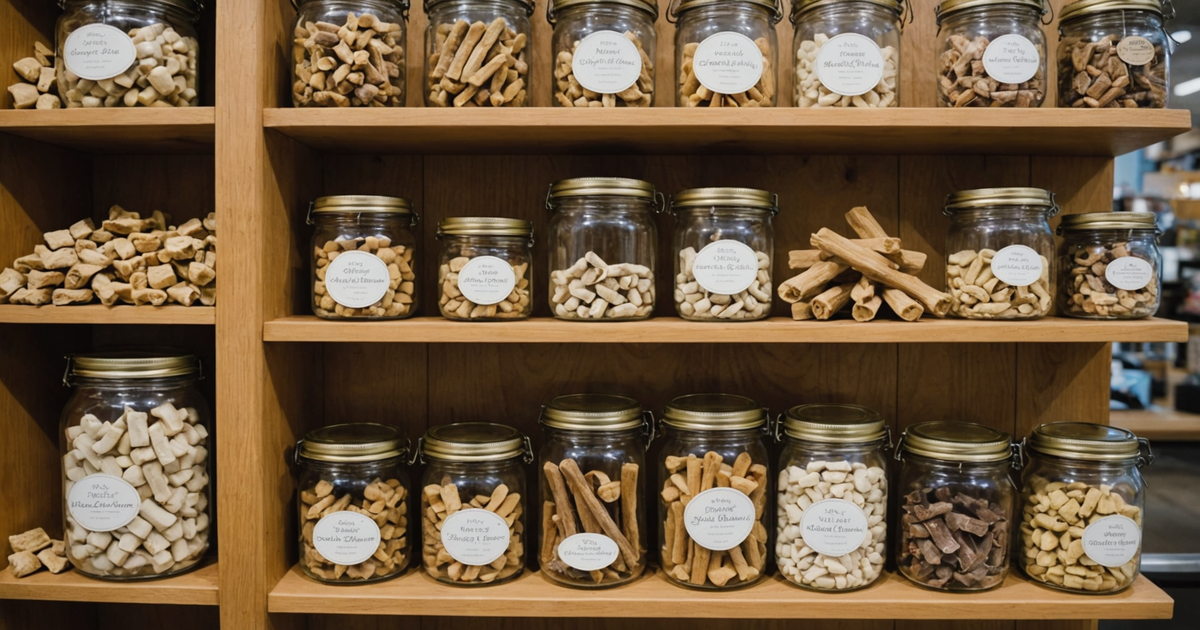
When comparing rabbit ears to other dog treats, they stand out due to their natural composition and health benefits. Unlike many commercial dog treats, which can be high in artificial additives and preservatives, rabbit ears are a single-ingredient treat. This makes them a wholesome choice for pet owners who prioritise natural ingredients.
For those interested in exploring other natural treat options, consider reading our full overview on freeze-dried dog food.
While freeze-dried rabbit ears might be more expensive than traditional treats, their health benefits and natural composition often justify the cost. Additionally, being a longer-lasting chew, they can keep your dog occupied for extended periods, providing both mental and physical stimulation.
If you’re curious about the cost implications of freeze-drying, our detailed cost breakdown of freeze-dried pets offers valuable insights.
Freeze-dried rabbit ears for dogs offer an array of benefits, from promoting dental health to being an allergy-friendly option. Their natural composition and nutritional value make them a superior choice for conscientious pet owners. By choosing rabbit ears, you are not only providing a treat that dogs love, but you are also contributing to their overall well-being.
1. Are freeze-dried rabbit ears safe for all dogs?
Yes, freeze-dried rabbit ears are generally safe for all dogs. However, always supervise your dog while they are chewing to prevent choking hazards, especially in smaller breeds or puppies.
2. How should I store freeze-dried rabbit ears?
Store freeze-dried rabbit ears in a cool, dry place, away from direct sunlight. A resealable bag or airtight container can help maintain their freshness.
3. Can freeze-dried rabbit ears replace regular dog food?
No, rabbit ears should not replace a balanced diet. They are best used as a treat or supplement to a complete and balanced dog food. For more on balanced diets, refer to the AAFCO nutrient profiles.
4. How often can I give my dog rabbit ears?
The frequency depends on your dog’s size, dietary needs, and activity level. Consult with your veterinarian to determine the appropriate amount for your pet.
5. Can these treats cause digestive issues?
While rabbit ears are generally digestible, some dogs may experience gastrointestinal upset if given too many. Always introduce new treats gradually and monitor your dog’s reaction.
6. Are there any alternatives to rabbit ears for dogs with allergies?
Yes, other novel protein treats such as freeze-dried duck or venison may be suitable. Our review on freeze-dried dog food options provides more alternatives.
7. What makes freeze-dried rabbit ears different from air-dried?
Freeze-drying retains more nutrients by removing moisture at low temperatures, whereas air-drying uses heat which can degrade some nutrients. For preservation methods, see our category on preservation methods.
By considering freeze-dried rabbit ears, you are choosing a natural, beneficial treat that supports your dog’s health in numerous ways. Always ensure any new treat fits within your dog’s dietary needs and consult with your veterinarian when in doubt.