
As dog owners become increasingly mindful of their pets’ diets, alternative feeding options such as freeze-dried raw food have gained popularity. The question at the forefront of many pet owners’ minds is: is freeze dried raw food good for dogs? By delving into the benefits and potential drawbacks, this article aims to provide a comprehensive understanding of this modern dog food choice. We’ll explore the nutritional aspects, benefits, and considerations of freeze-dried raw dog food to help you make an informed decision for your furry friend. For more detail, see official guidance.
Freeze-dried raw food for dogs is a type of pet food that has undergone the process of freeze-drying. This involves freezing the food and then reducing the surrounding pressure to remove moisture, resulting in a shelf-stable product that retains most of its original nutrients. Unlike traditional kibble, which is heavily processed, freeze-dried raw foods are minimally processed and often touted as more akin to a dog’s natural diet. For more detail, see further information.
One of the primary reasons dog owners consider freeze-dried raw food is its nutritional value. This type of food typically contains high-quality proteins, essential fatty acids, and a range of vitamins and minerals that are vital for a dog’s health. According to the American Kennel Club, a balanced diet is crucial for maintaining a dog’s energy levels, coat health, and overall well-being. For more detail, see detailed advice.
Freeze-dried raw foods are rich in protein, which is essential for muscle development and repair. Proteins also provide necessary amino acids that dogs cannot synthesize on their own. For example, products reviewed in our best freeze-dried meals for pets guide highlight the importance of choosing foods high in quality protein sources like beef, chicken, and lamb. For more detail, see local insights.
The freeze-drying process helps preserve the nutritional integrity of the raw ingredients. According to the FDA, this preservation means that essential nutrients such as vitamins, minerals, and enzymes remain largely intact, which are often lost in traditional cooking methods.
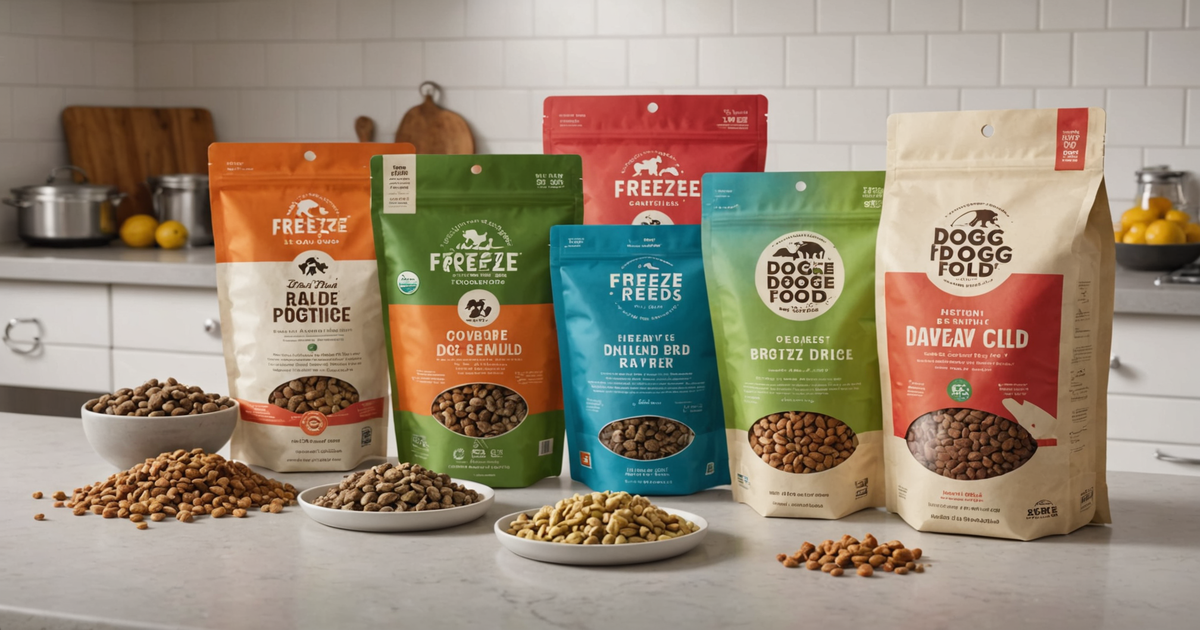
Another appealing aspect of freeze-dried raw food is its convenience. Unlike fresh raw diets, which require refrigeration and careful handling to prevent spoilage, freeze-dried foods are lightweight and have a long shelf life. This makes them an excellent option for pet owners who travel frequently or have limited storage space.
While freeze-dried raw food offers numerous benefits, it’s important to consider potential drawbacks. Some pet owners may find the cost prohibitive compared to traditional kibble. Additionally, it’s essential to ensure that the food is balanced and meets all of a dog’s nutritional needs. The Pet Nutrition Alliance provides valuable resources on understanding pet food labels to ensure you’re providing a complete and balanced diet.
Although the freeze-drying process reduces moisture and hinders bacterial growth, it does not eliminate all pathogens. The FDA warns that raw diets can still pose a risk of contamination with harmful bacteria like Salmonella and Listeria. Therefore, handling and storage guidelines should be strictly followed.
When selecting freeze-dried raw food, it’s crucial to choose products from reputable manufacturers. Look for brands that adhere to guidelines set by the Association of American Feed Control Officials (AAFCO) to ensure the food meets established nutritional standards.
Understanding ingredient labels is vital. As discussed in our nutrition guides, the first few ingredients should be whole proteins, and the food should not contain excessive fillers or artificial additives.
Freeze-dried raw food can be a nutritious and convenient option for dogs, offering many benefits over traditional kibble. However, it’s essential to weigh these benefits against potential risks and costs. By choosing high-quality products and ensuring a balanced diet, you can make informed decisions that contribute positively to your dog’s health and wellness.
Freeze-dried raw food can be suitable for many dogs, but it’s always best to consult with a veterinarian to ensure it’s appropriate for your pet’s specific health needs and dietary requirements.
Freeze-dried raw food should be stored in a cool, dry place away from direct sunlight. Ensure the packaging is sealed to prevent moisture from affecting the product.
Puppies can eat freeze-dried raw food, but it’s crucial to select a formula specifically designed for their developmental needs. Check for AAFCO approval to ensure suitability for growth.
Gradually introduce freeze-dried raw food by mixing it with your dog’s current diet, increasing the proportion over several days to allow for a smooth transition and to monitor for any adverse reactions.
Our best freeze-dried food reviewed page offers insights into top-rated brands that have been evaluated for quality and nutritional content.
Rehydrating freeze-dried raw food with water is generally recommended to aid digestion and enhance flavour, ensuring your dog receives adequate hydration with their meal.
By staying informed and making thoughtful choices, you can ensure your dog enjoys the benefits of a nutritious diet tailored to their needs.