
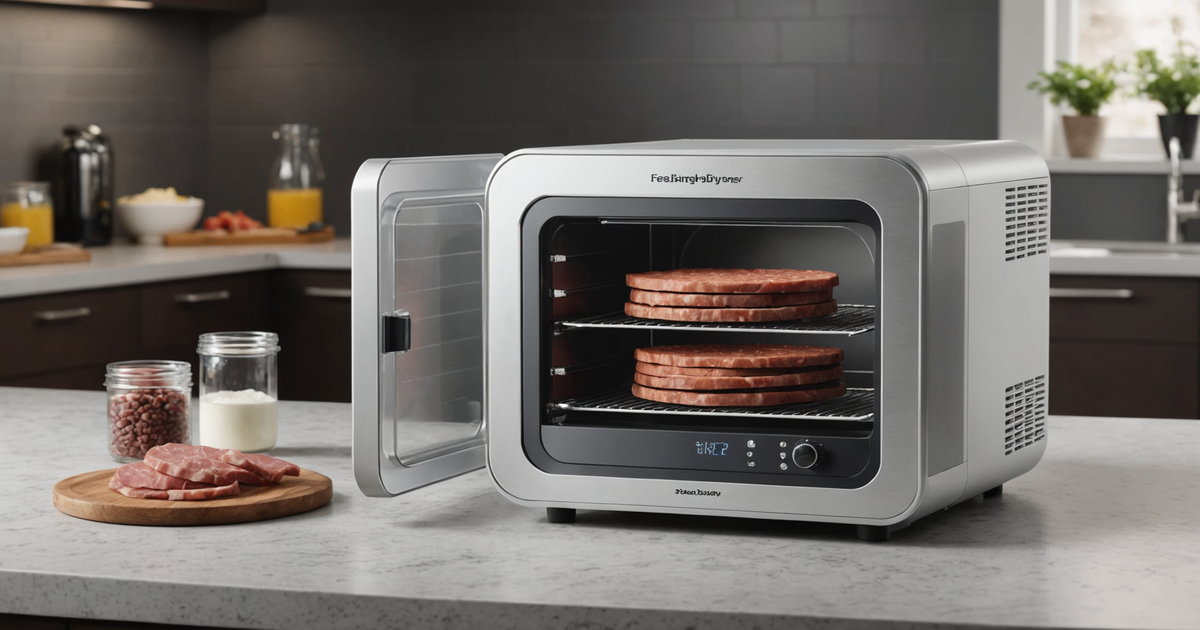
Freeze drying liver at home is an efficient and rewarding process that allows pet owners to create nutritious, preservative-free treats for their furry friends. As more pet owners become conscious of the ingredients in commercial pet food, the demand for homemade alternatives continues to rise. This guide will cover everything you need to know about how to freeze dry liver at home, ensuring you can provide your pet with healthy, delicious snacks. We will explore the benefits of freeze-dried liver, the equipment required, and step-by-step instructions to successfully freeze dry liver in your own kitchen. For more detail, see official guidance.
Freeze-dried liver is a popular treat among pet owners due to its high nutritional value. Liver is rich in essential nutrients such as iron, vitamin A, and protein, which support your pet’s overall health. Freeze drying preserves these nutrients without the need for artificial additives or preservatives, offering a safer alternative to many store-bought treats. According to Pet Nutrition Alliance, maintaining a balanced diet is crucial for pet health, and incorporating nutrient-dense treats like liver can contribute to this balance. For more detail, see further information.
Additionally, freeze-dried liver is lightweight and has a long shelf life, making it convenient for storage and travel. These characteristics make it a favourite among those looking for quality freeze-dried meat snacks for pets. For more detail, see detailed advice.
To start freeze drying liver at home, you’ll need some essential equipment:. For more detail, see planning resources.
Investing in a quality freeze dryer is crucial. While the initial cost may seem high, the long-term benefits of producing your own healthy pet treats justify the investment.
Start by purchasing fresh liver from a reputable source. It’s important to use high-quality ingredients to ensure the best outcome for your pet treats. Wash the liver thoroughly under cold water to remove any blood or impurities. Then, slice the liver into thin strips or cubes. This increases the surface area, allowing for more efficient freeze drying.
Place the liver pieces on a baking sheet lined with parchment paper. Ensure they are not touching each other to allow even freezing. Put the tray in the freezer, letting the liver freeze completely. This step is optional but can help speed up the freeze-drying process.
Transfer the pre-frozen liver into the freeze dryer. Follow the manufacturer’s instructions for your specific model. The process typically involves placing the liver slices on the trays and starting the machine. Freeze drying can take anywhere from 24 to 48 hours depending on the liver’s thickness and the freeze dryer’s efficiency.
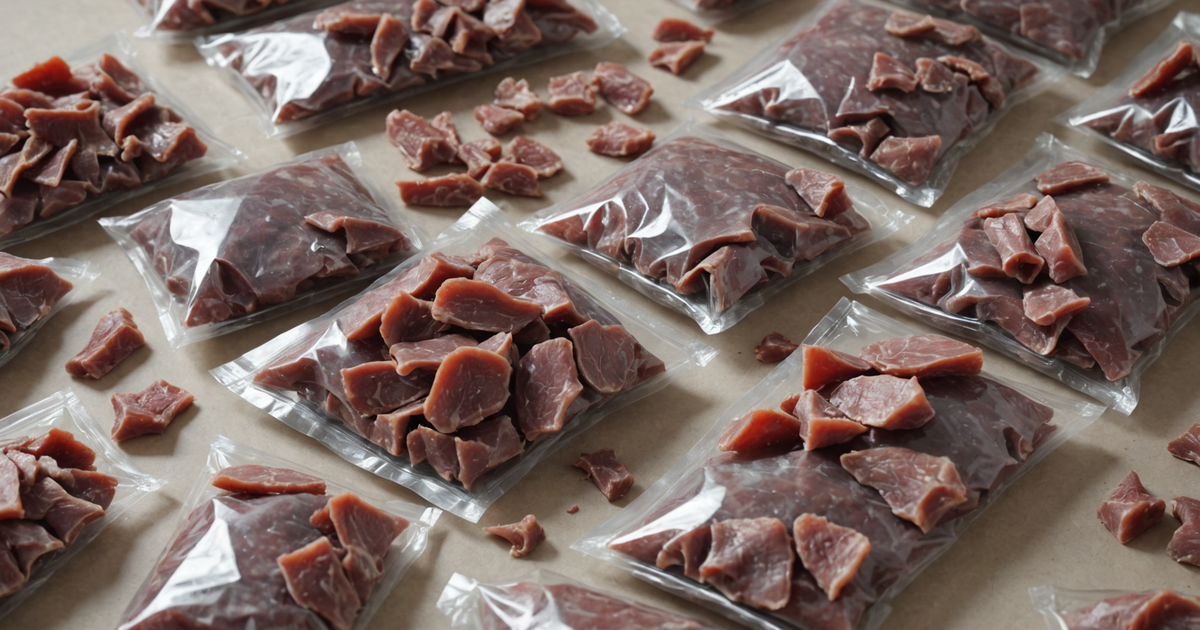
Once the freeze-drying process is complete, the liver should be light and brittle. Immediately transfer the liver into vacuum-sealed bags or airtight containers to prevent it from reabsorbing moisture. Proper storage is essential to maintain the liver’s quality and extend its shelf life.
Freeze drying liver at home is a practical way to ensure your pet receives high-quality, nutritious treats. By controlling the ingredients and the process, you can provide a healthier alternative to commercial pet snacks. With the right equipment and a bit of patience, you can transform fresh liver into a long-lasting, nutrient-rich treat that your pet will love. For those interested in expanding their homemade treat repertoire, consider exploring other options like freeze-dried chicken hearts for dogs.
When stored properly in vacuum-sealed bags or airtight containers, freeze-dried liver can last for several years. However, for optimal freshness and nutritional value, it is best consumed within a year.
While a freeze dryer is the most effective method, you can attempt freeze drying by placing liver slices in a conventional freezer for an extended period. However, this method is less reliable and may not achieve the same level of moisture removal.
Yes, freeze-dried liver is generally safe for most pets, including dogs and cats. However, it’s important to introduce any new treat gradually and consult with your veterinarian if your pet has specific dietary needs or restrictions.
You can freeze dry various types of liver, including beef, chicken, and lamb. The choice depends on your pet’s preferences and any dietary recommendations from your veterinarian.
Feeding liver in moderation is safe and beneficial. However, excessive consumption can lead to vitamin A toxicity. Always follow portion guidelines and consult with a vet if unsure.
Absolutely! Freeze-dried liver makes excellent training treats due to its strong aroma and high palatability. For more training treat options, consider Train Go Dog Treats.
Improperly stored freeze-dried liver may show signs of moisture absorption, such as stickiness or a change in texture. If the liver develops an off smell or shows visible mold, it should be discarded.
For comprehensive information on pet nutrition and health, visit the WSAVA Global Nutrition Guidelines and the Pet Nutrition Alliance.