
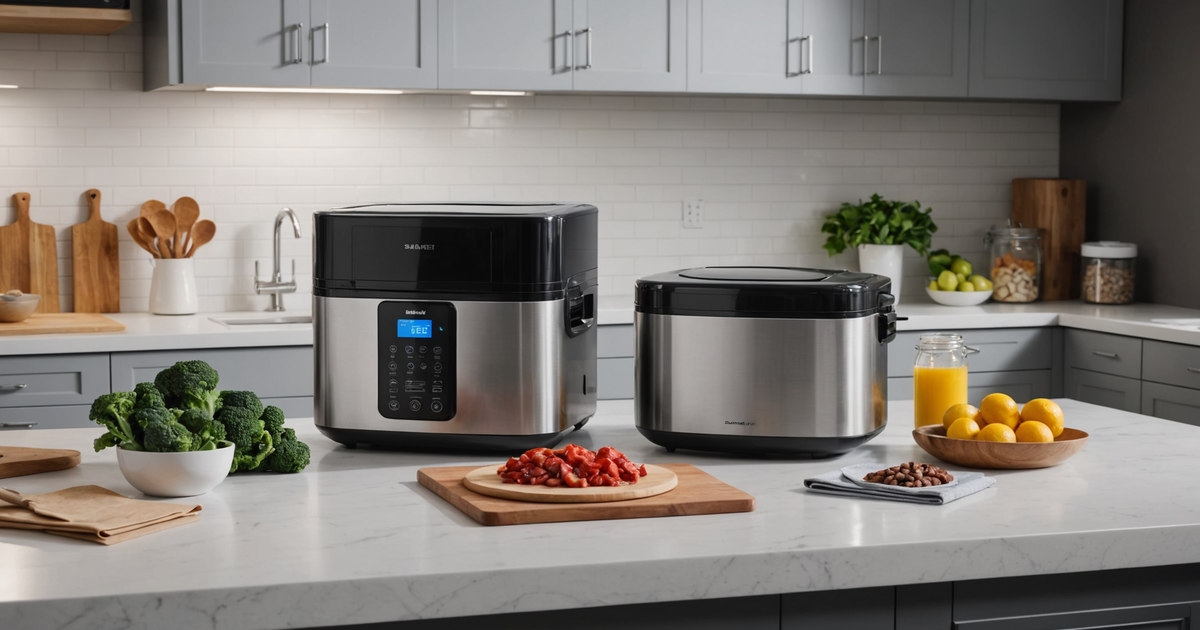
In recent years, freeze-drying has gained traction as a method for preserving dog food, allowing pet owners to store nutritious meals for longer periods. Understanding how to freeze dry dog food at home can be a cost-effective and rewarding endeavour, ensuring your dog receives high-quality, nutrient-dense meals. This blog post will guide you through the process of freeze-drying dog food at home safely, using effective methods. We’ll delve into the benefits of freeze-dried food, necessary equipment, and step-by-step instructions. For more detail, see official guidance.
Freeze-drying is a preservation technique that removes moisture from food, thereby extending its shelf life without compromising nutritional value. Unlike other methods such as canning or dehydrating, freeze-drying retains more of the food’s original texture, flavour, and nutrients. According to the American Kennel Club, freeze-dried dog food maintains essential vitamins and minerals, contributing to a balanced diet. For more detail, see further information.
Freeze-drying helps maintain the nutritional integrity of the ingredients. This means your dog benefits from a diet that is closer to fresh, raw food, without the risks associated with bacterial contamination. The Pet Nutrition Alliance provides insights on maintaining a balanced nutrition profile, which is crucial for your dog’s health and wellbeing. For more detail, see planning resources.
Freeze-dried dog food is lightweight and easy to store, making it convenient for travel or emergency situations. It also boasts a significantly longer shelf life compared to wet or raw dog food, reducing waste and saving money in the long term.
To begin freeze-drying dog food at home, you’ll need the right equipment. Investing in quality tools ensures safety and effectiveness.
A home freeze dryer is a primary investment for this process. These machines are designed to remove moisture under vacuum conditions at low temperatures. While initially costly, they offer long-term savings by allowing you to preserve bulk quantities of food.
Once the food is freeze-dried, it’s essential to store it properly to prevent rehydration. A vacuum sealer, along with Mylar bags, is ideal for maintaining a moisture-free environment. This method is recommended by AAFCO for preserving pet food.
Choose high-quality ingredients that are safe and beneficial for dogs. Refer to guidelines from the WSAVA Global Nutrition Toolkit for balanced diet recommendations. Common ingredients include lean meats, vegetables, and grains.
Prepare the ingredients by cooking or steaming them as necessary. It’s crucial to eliminate any harmful bacteria that could proliferate during the freeze-drying process. Chop the ingredients into small, uniform pieces to ensure even drying.
Before freeze-drying, spread the prepared food on trays and freeze it until solid. This step is vital for the sublimation process, where ice transitions directly into vapour.
Place the frozen food into the freeze dryer. The machine will create a vacuum and gradually raise temperatures to allow ice to sublimate. This process can take anywhere from 24 to 36 hours, depending on the food’s water content.
Once the food is dry, transfer it to Mylar bags and use a vacuum sealer to remove air. Store these bags in a cool, dark place to prolong shelf life. The FDA highlights the importance of proper storage to maintain the nutritional quality of pet food.
Freeze-drying dog food at home is an excellent way to ensure your pet receives nutritious and safe meals. While it requires an initial investment in equipment, the long-term benefits of preserving high-quality food are substantial. By following the steps outlined above, you can confidently prepare and store freeze-dried meals that your dog will love.
For more insights on preservation methods and pet nutrition, explore our articles on freeze-drying. Additionally, consider browsing through our selection of freeze-dried dog treats for delicious and healthy options for your furry friend.
Freeze-drying involves removing moisture at low temperatures under vacuum, preserving more nutrients and texture compared to dehydrating, which uses heat to remove moisture.
While most ingredients can be freeze-dried, it’s essential to ensure that the food is safe and suitable for dogs. Refer to AAFCO nutrient profiles for guidance.
Properly stored freeze-dried dog food can last for years. Using vacuum-sealed Mylar bags in a cool, dark place optimises shelf life.
Yes, freeze-dried dog food retains most of the nutrients found in raw food without the associated risks of bacteria and spoilage.
While you can feed freeze-dried food directly, rehydrating it can improve digestibility and palatability for your pet.
Absolutely, making homemade freeze-dried dog treats is a great way to personalise your dog’s diet with their favourite flavours.
As long as you adhere to safety guidelines, such as using quality ingredients and proper storage, the risks are minimal. Always consult with a veterinarian if unsure.
For further reading, visit our comprehensive guide to freeze-drying beef liver and explore more about the benefits and techniques involved.