
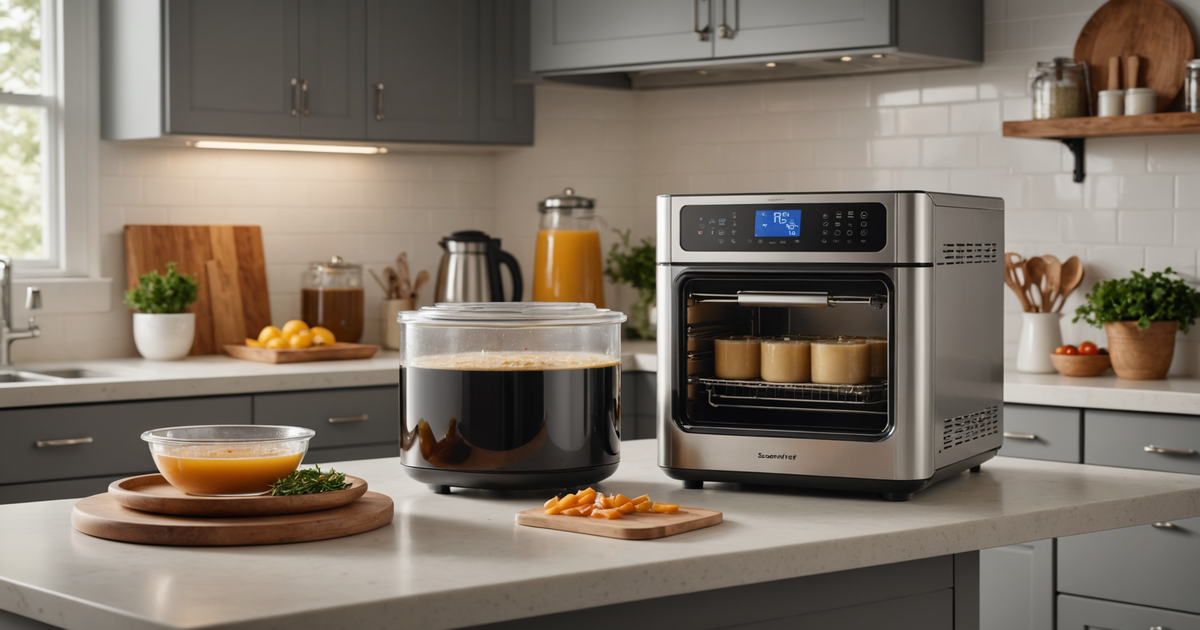
Bone broth has long been cherished for its nutritional benefits, not only for humans but also for our beloved pets. As dog owners seek to provide the best for their furry companions, freeze-drying bone broth has emerged as a popular preservation method. This technique ensures that the broth retains its nutrients while extending its shelf life. However, freeze-drying bone broth safely requires understanding the process and following specific guidelines. In this comprehensive guide, we will walk you through how to freeze-dry bone broth safely, ensuring your pet receives the best nutrition. For more detail, see official guidance.
Freeze-drying, also known as lyophilisation, is a dehydration process used to preserve perishable materials. It works by freezing the product, reducing the surrounding pressure, and then allowing the frozen water in the material to sublimate directly from the solid phase to the gas phase. This method preserves the nutritional value, flavour, and texture of the food items. For pet owners, freeze-drying provides an excellent way to maintain the nutrient profile of bone broth, which is rich in collagen, amino acids, and minerals that support joint health and digestion. For more detail, see further information.
Before you begin freeze-drying, it’s essential to prepare your bone broth properly. Start by simmering bones with water and vinegar for 24 to 48 hours. This long cooking time ensures that all the beneficial nutrients are extracted. Once cooked, strain the broth to remove bones and any solid materials. Let the broth cool, then skim off the fat that rises to the top. Your broth is now ready to be freeze-dried. For more detail, see detailed advice.
To freeze-dry bone broth, you will need a home freeze-dryer. These machines are a worthwhile investment for pet owners looking to preserve food long-term. Additionally, you’ll need airtight storage containers or vacuum-sealed bags to store the freeze-dried broth. For more detail, see local insights.
Freeze the Broth: Pour the prepared bone broth into trays and place them in the freezer. Ensure the broth is frozen solid before proceeding to the next step.
Load the Freeze-Dryer: Once your broth is frozen, load the trays into the freeze-dryer. Follow the manufacturer’s instructions specific to your machine.
Start the Freeze-Drying Process: Initiate the freeze-drying cycle. This process typically takes 24 to 48 hours, depending on the machine and the volume of broth.
Check for Completeness: After the cycle is complete, check the broth for any remaining moisture. It should be completely dry and crumbly. If needed, extend the drying cycle.
Store Appropriately: Transfer the freeze-dried broth into airtight containers or vacuum-sealed bags to protect it from moisture and air. Store in a cool, dark place.
Freeze-drying bone broth offers numerous benefits. It maintains the broth’s nutritional integrity, providing a rich source of protein, collagen, and minerals that support your pet’s health. Additionally, the lightweight and long-lasting nature of freeze-dried products make them convenient for travel and storage. For those exploring freeze-dried raw diets, incorporating freeze-dried bone broth can be an excellent complement.
When freeze-drying bone broth for pets, it’s crucial to consider safety. Ensure that all equipment is clean and sanitised to prevent contamination. Proper storage is vital to maintain the quality and safety of the freeze-dried product. It’s also important to rehydrate the broth correctly before serving it to your pet. Always consult with your veterinarian or refer to trusted pet nutrition resources for guidance specific to your pet’s dietary needs.
Rehydrating freeze-dried bone broth is simple. Add warm water to the dried broth and stir until fully dissolved. This rehydrated broth can be added to your pet’s meals or given as a standalone treat. For pet owners looking for freeze-dried pet products, freeze-dried bone broth offers a nutritious and tasty option.
Freeze-drying bone broth is an effective way to preserve its nutritional benefits for your pet. By following the steps outlined above, you can ensure that your bone broth is freeze-dried safely and effectively. This not only prolongs the shelf life but also provides your furry friend with a nutrient-dense supplement that supports their overall health.
1. What are the main benefits of freeze-dried bone broth for pets?
Freeze-dried bone broth retains essential nutrients like collagen and amino acids, supporting joint health and digestion in pets.
2. How long does freeze-dried bone broth last?
When stored correctly in airtight containers, freeze-dried bone broth can last up to several years.
3. Can I freeze-dry bone broth without a machine?
While technically possible using a freezer and vacuum, it is not recommended due to the complexity and time involved. A home freeze-dryer is more efficient and reliable.
4. How do I rehydrate freeze-dried bone broth?
Simply add warm water to the freeze-dried broth and stir until the mixture is uniform and the broth is fully dissolved.
5. Is freeze-dried bone broth safe for all dogs?
Generally, yes, but it’s always best to consult with a veterinarian to ensure it fits your dog’s specific dietary needs and health conditions.
6. Where can I learn more about freeze-dried pet products?
Visit our freeze-dried pet products overview to explore various options available for your pet.
7. Can I use freeze-dried bone broth in raw diets?
Yes, freeze-dried bone broth can be an excellent addition to raw diets, providing additional nutrients and flavour.
8. Are there any risks associated with freeze-drying pet food?
As long as the freeze-drying process and storage are done correctly, risks are minimal. However, improper handling can lead to contamination, so follow safety guidelines meticulously.