
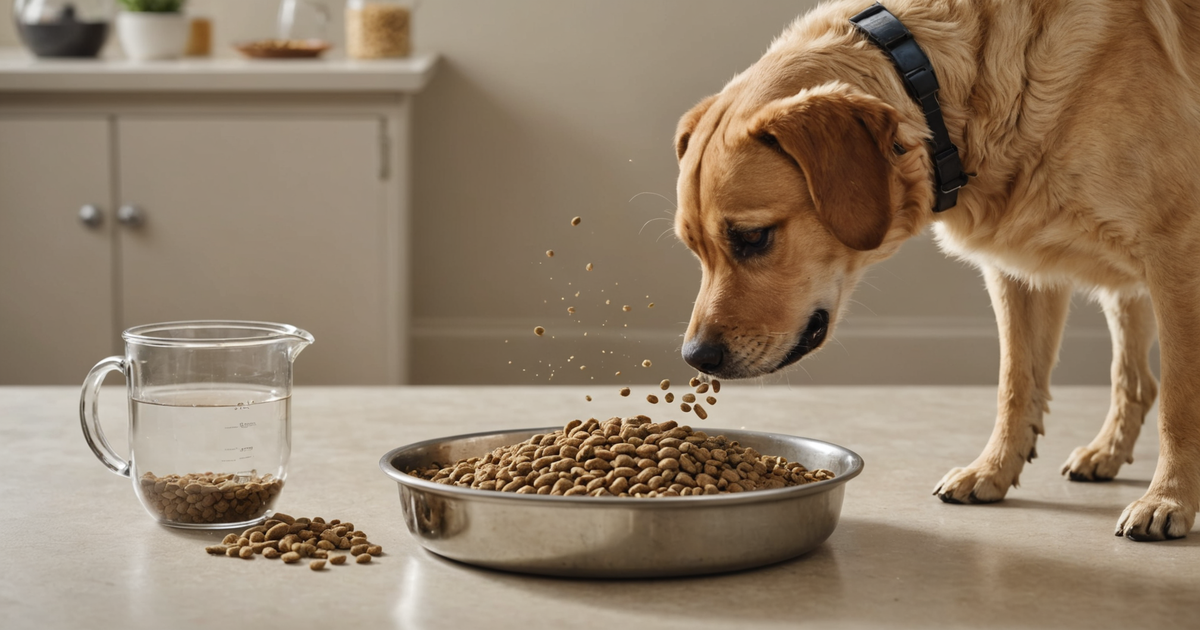
In recent years, freeze-dried dog food has gained popularity among pet owners seeking convenient and nutritious meal options for their canine companions. This method of food preservation ensures that the nutritional integrity of the ingredients is maintained while offering a lightweight and long-lasting product. However, for those exploring other options, several alternatives to freeze-dried dog food exist that may better suit their dogs’ needs or preferences. This article delves into these alternatives, providing insights into their benefits and considerations, while also offering guidance on making informed decisions for your pet’s diet. For more detail, see official guidance.
Dehydrated dog food is similar to freeze-dried food in that it removes moisture to extend shelf life but utilises a different process. Instead of freezing the food before drying it, dehydration involves using warm air to evaporate the moisture. This process can compromise some nutrients due to the heat involved but still results in a lightweight and shelf-stable product. For more detail, see further information.
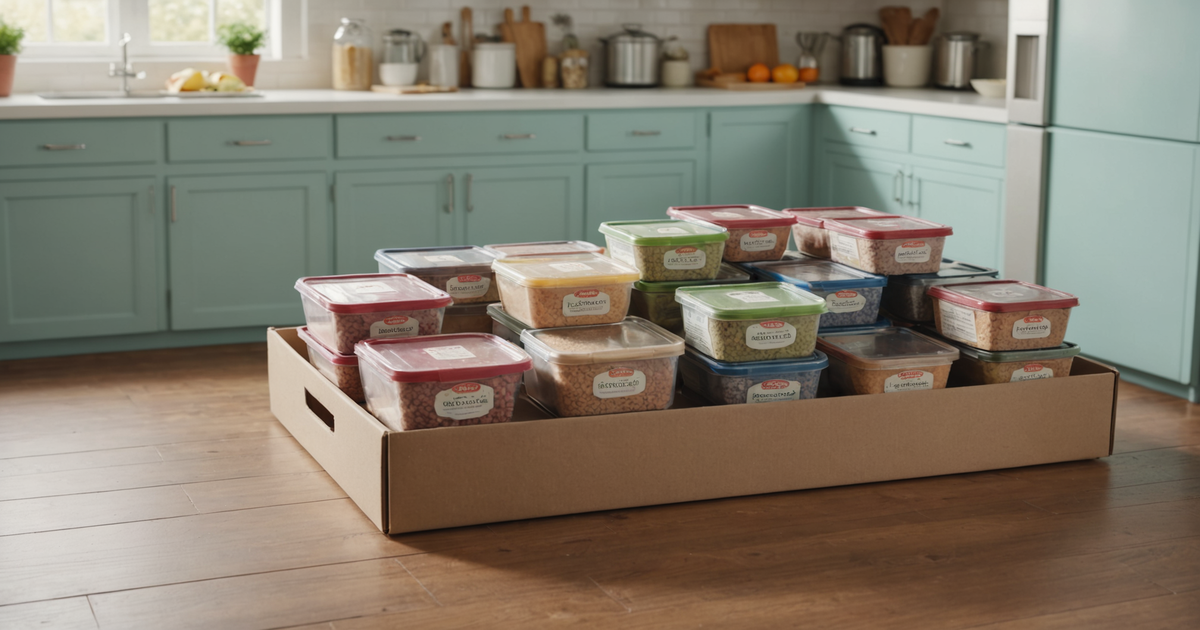
Air-dried dog food combines the benefits of raw feeding with the convenience of dry food. This method involves gently drying the food at low temperatures, preserving nutrients and flavour without the need for refrigeration. For more detail, see local insights.
Raw frozen dog food is a popular choice for those who prefer feeding their dogs a diet that closely mimics what they would eat in the wild. It involves freezing raw ingredients to preserve their nutritional content.
Semi-moist dog food is a convenient alternative, offering a soft texture that many dogs find appealing. It generally contains higher moisture content than kibble but less than canned food.
Selecting the right dog food involves considering your pet’s unique dietary needs, preferences, and any health issues. While freeze-dried dog food offers numerous benefits, alternatives like dehydrated, air-dried, raw frozen, and semi-moist dog foods provide viable options for those looking to diversify their dog’s diet. Ensure you choose options that align with your dog’s nutritional requirements and consult with a veterinarian to make informed dietary choices. For further insights into dog nutrition, refer to the WSAVA Global Nutrition Guidelines or explore AAFCO’s resources for nutritional standards.
Freeze-dried dog food is made by freezing the ingredients and then removing the moisture through sublimation, preserving nutrients more effectively. Dehydrated food uses warm air to evaporate moisture, which can degrade some nutrients.
Air-dried dog food can be suitable for most breeds but should be chosen based on individual dietary needs and preferences. Consulting with a veterinarian can help determine if it’s the right choice for your pet.
Like any raw meat, raw frozen dog food can contain bacteria. It’s crucial to handle and store it properly to minimise the risk of contamination and consult resources like FDA guidelines on pet food safety.
Semi-moist dog foods can be healthy if they contain high-quality ingredients and minimal additives. However, be cautious of brands with high sugar content or artificial preservatives.
When switching your dog’s diet, transition gradually over 7-10 days to avoid digestive upset. Monitor your dog’s reaction and consult with a vet if any adverse symptoms arise.
Common signs of food allergies include itching, gastrointestinal upset, and ear infections. If you suspect an allergy, consult your vet and consider an elimination diet to identify the culprit.
Supplements can help balance your dog’s diet, especially if they are lacking certain nutrients. Refer to our dog supplements guide for detailed information.
For comprehensive details on freeze-dried dog food, explore our full guide and related articles on the benefits and considerations of this feeding option.