
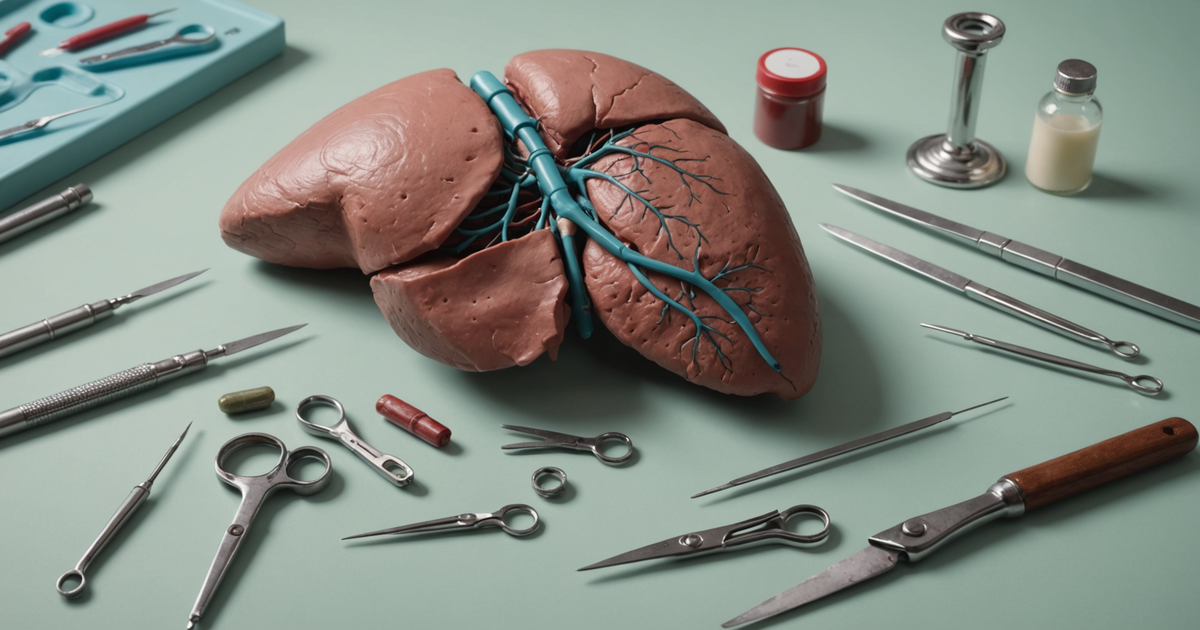
Freeze-drying liver at home can be a rewarding and cost-effective way to provide your pets with nutritious treats. Liver, rich in essential vitamins and minerals, is a popular choice among pet owners. Freeze-drying preserves the liver’s nutrients while prolonging its shelf life, making it an excellent choice for homemade pet treats. In this comprehensive guide, we will explore how to freeze dry liver at home, ensuring the process is both safe and effective. For more detail, see official guidance.
Freeze-drying, also known as lyophilisation, is a dehydration process that involves freezing the product and then reducing the surrounding pressure to allow the frozen water in the product to sublimate directly from solid to gas. This technique preserves most of the original nutrients, flavour, and texture of the food item, making it ideal for pet treats like liver. . For more detail, see further information.
Before diving into the freeze-drying process, proper preparation of the liver is crucial. Here’s how to get started:. For more detail, see local insights.
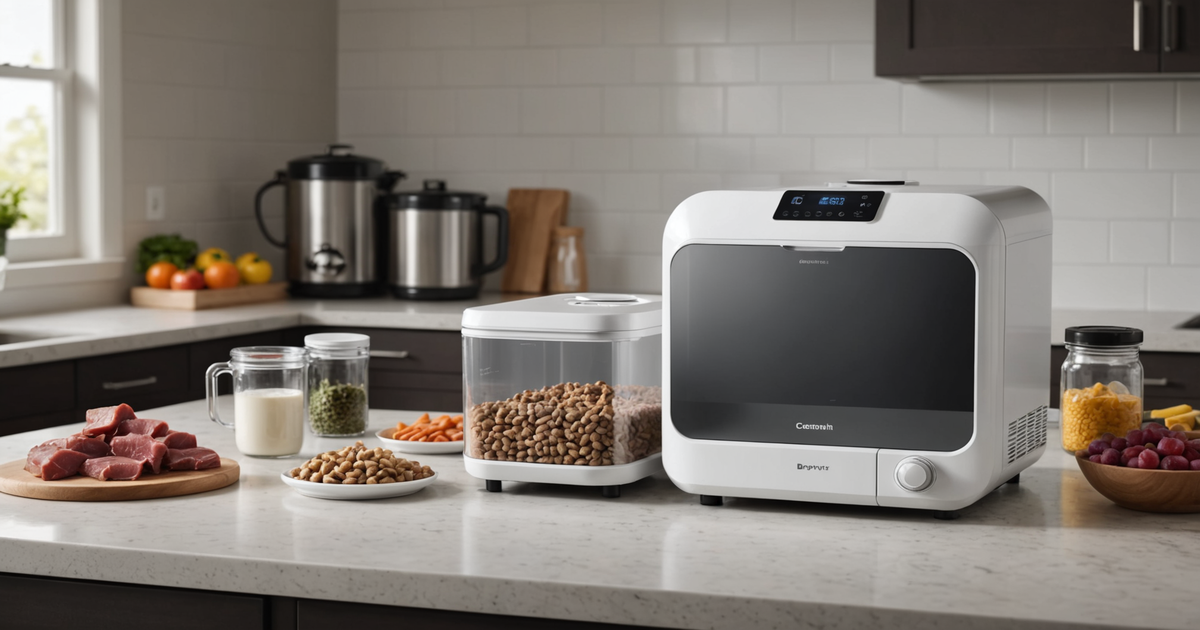
Place the prepared liver slices on a baking tray lined with parchment paper. Ensure that the pieces do not touch each other. Freeze the liver at the lowest possible temperature for at least 24 hours. This initial freezing is crucial as it prepares the liver for the sublimation phase.
Using a home freeze-dryer, place the frozen liver inside and set the machine according to the manufacturer’s instructions. The freeze-dryer will create a vacuum, applying low heat to sublimate the ice directly into vapour. This process can take anywhere from 24 to 48 hours depending on the liver’s thickness and the machine’s efficiency.
Once the freeze-drying process is complete, store the liver in an airtight container or vacuum-sealed bag. Keep the container in a cool, dark place to prolong the liver’s shelf life.
When preparing freeze-dried liver at home, consider the following safety tips:
For more on safe pet nutrition, check out the Pet Nutrition Alliance’s resources.
Freeze-drying liver at home is a practical and efficient way to create nutritious treats for your pets. By following the steps outlined above, you can ensure that the liver retains its nutritional value and flavour, while also providing a long-lasting treat. For more on pet nutrition and freeze-dried options, visit our dog nutrition category.
1. What type of liver is best for freeze-drying?
Beef, chicken, and lamb liver are excellent choices for freeze-drying due to their high nutrient content and availability.
2. How long does freeze-dried liver last?
When stored correctly in an airtight container, freeze-dried liver can last up to two years.
3. Can I freeze-dry liver without a machine?
While possible, freeze-drying without a machine requires a very low-temperature freezer and a vacuum chamber, making it impractical for most households.
4. How can I tell if the freeze-dried liver has gone bad?
Signs of spoilage include off smells, discolouration, or evidence of moisture in the storage container.
5. How much freeze-dried liver can I give my dog?
Portion sizes depend on the size and dietary needs of your dog. Consult with your vet for tailored advice.
6. Is freeze-dried liver suitable for cats?
Yes, freeze-dried liver is also suitable for cats. Ensure appropriate portion sizes to prevent overconsumption of vitamins.
7. Are there any risks associated with feeding freeze-dried liver to pets?
Overconsumption can lead to vitamin A toxicity. Balance freeze-dried liver with other complete and balanced pet foods.
8. Where can I find more information about freeze-dried pet treats?
Visit our freeze-dried cat treats guide for more options and insights.