
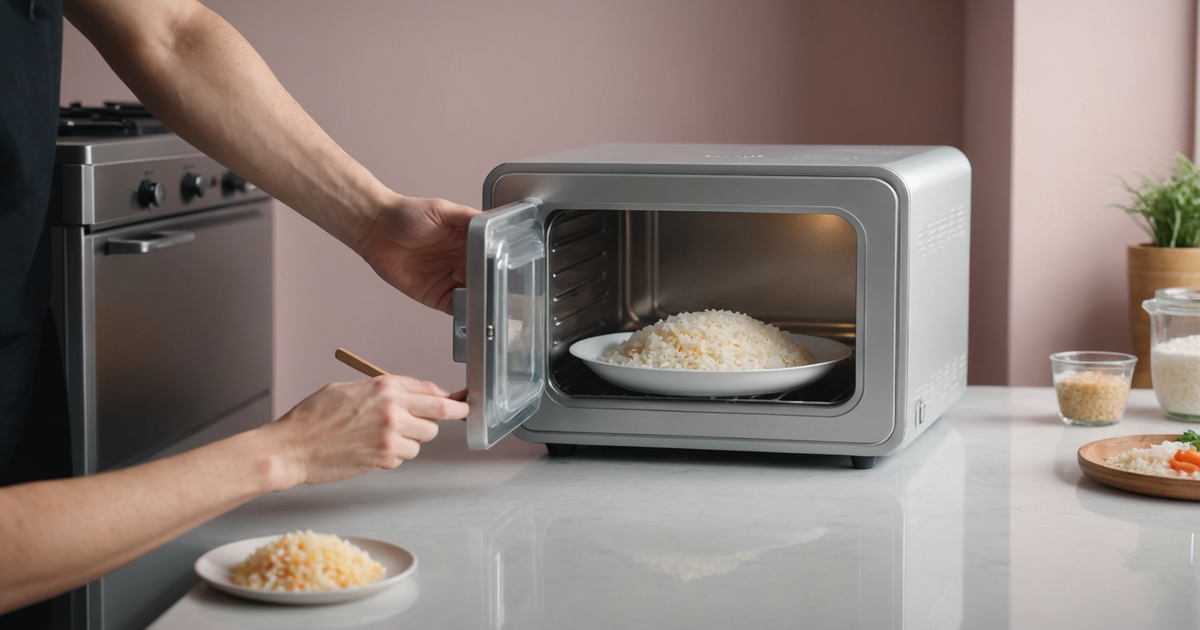
In the world of modern food technology, freeze drying has emerged as an innovative method to preserve a variety of foods, including rice. Freeze dry rice is an excellent solution for those looking for long shelf life and convenience without sacrificing nutritional value. In this post, we will delve into the fascinating process of how freeze dry rice is made, exploring its benefits, applications, and the science behind this impressive preservation method. For more detail, see official guidance.
Freeze drying, or lyophilisation, is a sophisticated dehydration process that involves freezing the product, reducing the pressure, and then removing the ice by sublimation. This method is unique because it turns ice into vapour without passing through the liquid phase, preserving the structure, flavour, and nutritional content of the food. . For more detail, see further information.
The process begins by freezing the rice at extremely low temperatures. Once frozen, the rice is placed in a vacuum chamber where pressure is decreased significantly. At this point, the ice within the rice sublimates, transforming directly from solid to gas. This method not only conserves the rice’s nutrients but also its taste and appearance. For more detail, see planning resources.
Freeze dry rice has several advantages over traditionally dried rice:
The manufacturing of freeze dry rice involves several critical steps to ensure the end product is of high quality and safe for consumption.
The process begins with selecting high-quality rice. This rice is then rinsed to remove any impurities and cooked to the desired consistency. Cooking before freeze drying ensures that the rice retains its texture and flavour once rehydrated.
The cooked rice is spread evenly on trays and rapidly frozen at temperatures well below zero. This rapid freezing is crucial as it prevents the formation of large ice crystals that could damage the rice’s cellular structure.
Once the rice is thoroughly frozen, it is transferred to a vacuum chamber. Here, the pressure is lowered, and heat is gradually applied. The ice within the rice sublimates, leaving behind dry, porous rice grains.
In this phase, any remaining water molecules are removed by slightly increasing the temperature. This step ensures that the moisture content of the rice is reduced to a level that prevents microbial growth.
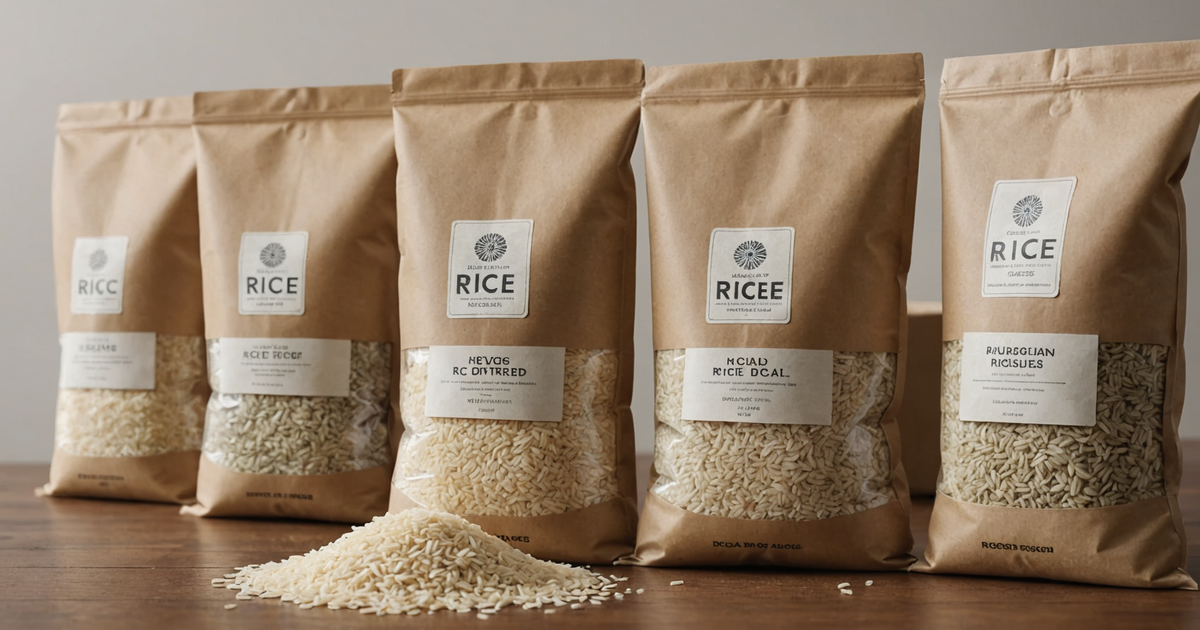
Finally, the freeze dry rice is sealed in airtight packaging to protect it from moisture and contamination. Proper packaging is essential to maintain the rice’s quality and extend its shelf life.
Freeze dry rice is not only a staple for hikers and campers but also finds its place in various culinary and industrial applications:
Freeze drying is a remarkable technology that preserves the essential qualities of rice while extending its shelf life significantly. Freeze dry rice is a versatile product that caters to both human and pet nutrition, offering an efficient solution for long-term food storage and convenience. As the demand for sustainable and nutritious food solutions grows, freeze drying continues to play a pivotal role in modern food preservation.
Freeze dry rice is rice that has been preserved through the process of freeze drying, which removes moisture while retaining nutrients and flavour.
Unlike regular drying methods, freeze drying retains more nutrients and flavour, and the rice is easier and faster to rehydrate.
Yes, freeze dry rice is often included in premium pet foods. Learn more about freeze-dried cat treats that cats love.
When properly sealed and stored, freeze dry rice can last up to 25 years or more.
Yes, freeze dry rice retains most of its original nutrients, making it a healthy option.
Simply add hot water to the rice and let it sit for a few minutes until it reaches the desired texture.
Freeze dry rice is used in emergency food kits, space missions, outdoor activities, and pet nutrition.
For more insights into freeze drying and its applications in pet nutrition, check out our complete guide on freeze dry dog food.