
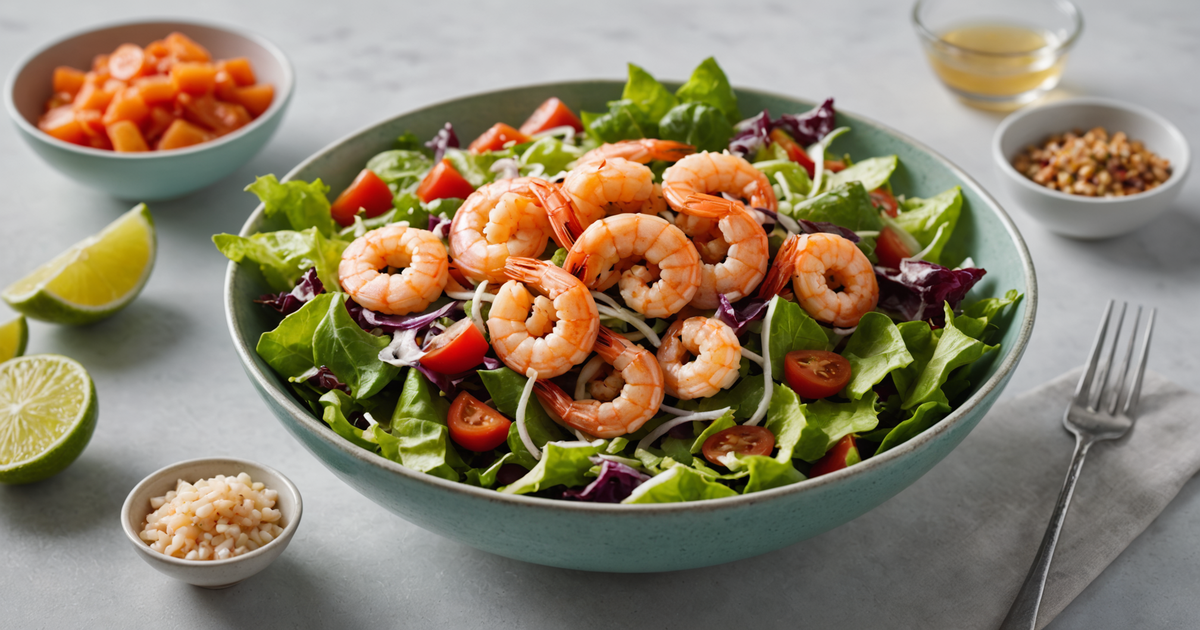
Freeze-drying is a food preservation method that has gained significant popularity in recent years, not only among outdoor enthusiasts and pet owners but also in the realm of human consumption. While freeze-dried foods are often associated with long camping trips and emergency food supplies, they are increasingly being appreciated for their nutritional benefits and convenience. One intriguing product in this category is freeze-dried shrimp for humans. This versatile ingredient provides a unique culinary experience with its ability to maintain the nutritional profile of fresh shrimp while offering extended shelf life and easy storage. For more detail, see official guidance.
In this article, we will explore the uses, benefits, and potential considerations when incorporating freeze-dried shrimp into your diet. Whether you’re a culinary adventurer or someone looking for convenient and healthy food options, understanding how freeze-dried shrimp can fit into your lifestyle is essential. For more detail, see further information.
Freeze-drying, also known as lyophilisation, is a dehydration process typically used to preserve a perishable material. This method involves freezing the product, then reducing the surrounding pressure to allow the frozen water in the product to sublimate directly from the solid phase to the gas phase. The result is a lightweight, shelf-stable product that retains the original flavour, aroma, and nutritional content of the fresh ingredient. For more detail, see detailed advice.
Freeze-dried shrimp for humans is made by applying this technique to fresh shrimp, removing moisture while preserving its essential nutrients and flavour. This process makes it an excellent option for those looking to add seafood to their diet without the hassle of refrigeration. For more detail, see planning resources.
One of the main advantages of freeze-dried shrimp is its nutritional profile. Shrimp is an excellent source of protein, providing essential amino acids necessary for muscle growth and repair. Additionally, shrimp contains omega-3 fatty acids, which are vital for heart health and cognitive function. For more detail, see local insights.
Despite the dehydration process, freeze-dried shrimp retains these nutrients effectively. This makes it a convenient and healthy option for those seeking to add more seafood to their diet. Moreover, freeze-dried shrimp is low in calories and fat, making it suitable for various dietary needs.
Freeze-dried shrimp can be rehydrated and used in a variety of culinary applications. Here are a few ways to incorporate it into your meals:
Soups and Stews: Add freeze-dried shrimp to soups or stews for an instant protein boost and seafood flavour.
Salads and Wraps: Rehydrate the shrimp and mix it into salads or wraps for a quick and nutritious meal.
Stir-Fries: Toss rehydrated shrimp into your favourite stir-fry recipes for added texture and taste.
Snack: Consume them straight out of the package as a protein-rich snack.
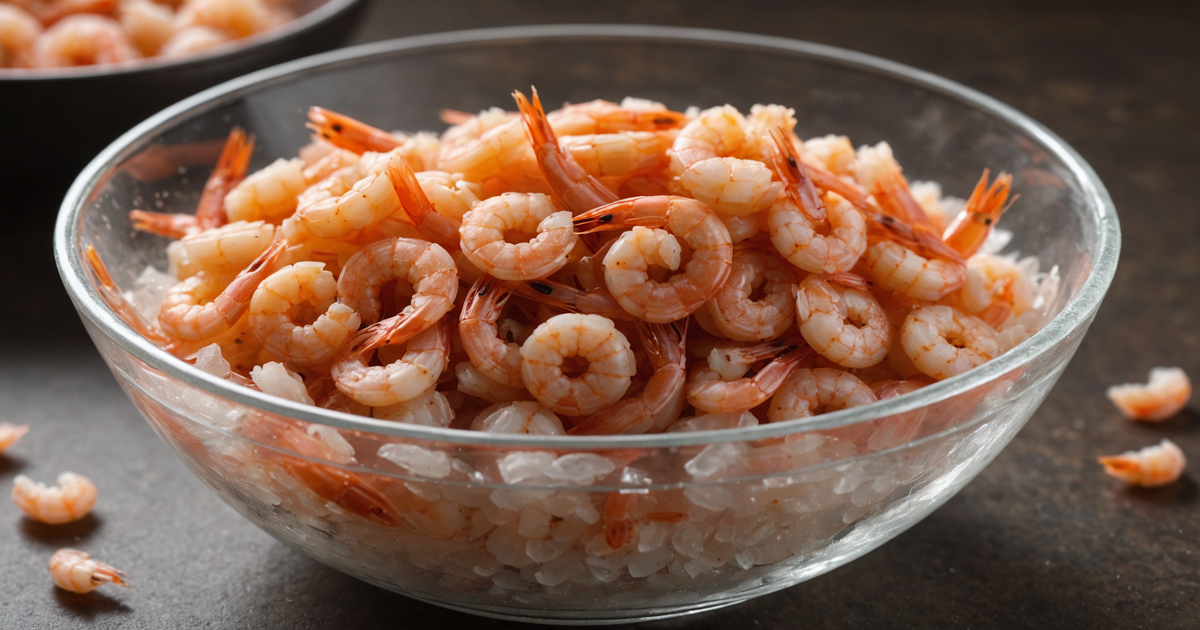
One of the key benefits of freeze-dried shrimp is its long shelf life. Stored in a cool, dry place, it can last for months without losing its quality. This makes it an ideal option for those who want to keep a stock of seafood on hand without the need for refrigeration.
To prepare freeze-dried shrimp, simply rehydrate by soaking them in water for a few minutes until they return to their original texture. This quick process allows you to enjoy shrimp without the time-consuming preparation associated with fresh seafood.
While freeze-dried shrimp is generally safe and nutritious, there are a few considerations to keep in mind:
Allergies: As with any seafood product, individuals with shellfish allergies should avoid freeze-dried shrimp.
Sodium Content: Some freeze-dried products may contain added salt. It’s advisable to check the label and choose varieties with no or low sodium content if you’re watching your sodium intake.
Quality and Source: Ensure that the freeze-dried shrimp you purchase is sourced from reputable suppliers. High-quality products are more likely to retain their nutritional value and safety.
For those interested in other freeze-dried treats, consider exploring freeze-dried dog treats for your furry friends or learn about making your own freeze-dried dog food at home.
Freeze-dried shrimp for humans offers a convenient and nutritious way to enjoy seafood without the constraints of refrigeration and short shelf lives. By retaining the essential nutrients and flavours of fresh shrimp, this versatile ingredient can easily be incorporated into a variety of dishes, enhancing both taste and nutritional value.
As with any food product, it’s important to consider source quality, potential allergens, and nutritional content. With these considerations in mind, freeze-dried shrimp can be a valuable addition to your kitchen pantry, providing both culinary versatility and health benefits.
1. Can freeze-dried shrimp be eaten without rehydrating?
Yes, freeze-dried shrimp can be consumed as a crunchy snack without rehydration, but rehydrating them will restore their original texture and make them more palatable for use in recipes.
2. How long does freeze-dried shrimp last?
When stored properly in a cool, dry place, freeze-dried shrimp can last for several months to a year, making it a great pantry staple.
3. Is freeze-dried shrimp safe for children?
Yes, freeze-dried shrimp is safe for children, provided they do not have any shellfish allergies. Always monitor their intake and ensure the shrimp is rehydrated properly if needed.
4. How should freeze-dried shrimp be stored?
Freeze-dried shrimp should be stored in an airtight container in a cool, dry place to maintain its quality and extend its shelf life.
5. Are there any additives in freeze-dried shrimp?
While some freeze-dried shrimp may contain added salt or preservatives, many options are available without additives. Always read the label to choose the product that best meets your dietary preferences.
6. Can freeze-dried shrimp be used in pet food?
Yes, freeze-dried shrimp can be used as a treat or food topper for pets, but it’s important to ensure it is free from added salt or seasonings. For more information on pet nutrition, check out the pet food safety guidelines.
7. What is the difference between freeze-dried and dehydrated shrimp?
Freeze-dried shrimp is processed at lower temperatures and retains more nutrients and flavour compared to dehydrated shrimp, which is typically dried using heat.
8. Where can I learn more about freeze-drying technology?
Explore our freeze-drying category for more insights into the technology and its applications.