
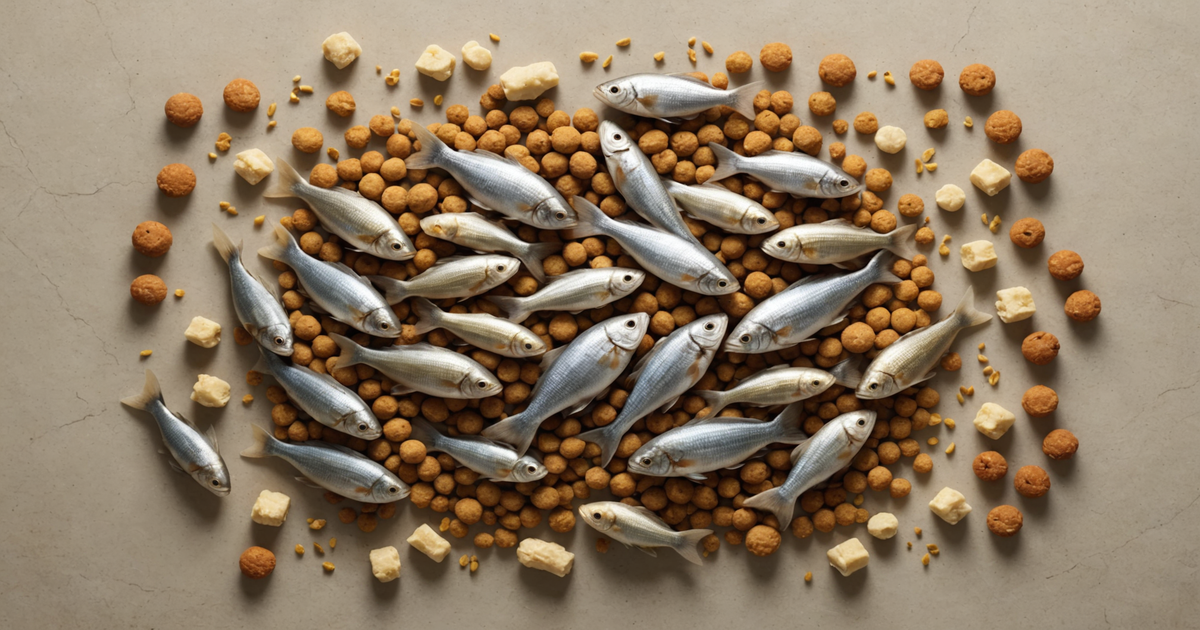
Dogs are cherished companions, and as pet owners, we strive to provide them with the best nutrition possible. Among the myriad of treats available, freeze dried fish for dogs has emerged as a popular and nutritious option. These treats are not only delicious but also packed with essential nutrients that promote canine health. In this article, we delve into the benefits of freeze dried fish treats, how they compare to other snack options, and what to consider when choosing seafood snacks for your furry friend. For more detail, see official guidance.
Freeze dried fish treats are rich in omega-3 fatty acids, which are known to support heart health, reduce inflammation, and enhance cognitive function in dogs. These nutrients are particularly beneficial for senior dogs or those with specific health concerns. According to the American Kennel Club, omega-3s play a crucial role in maintaining a healthy coat and skin, reducing shedding, and improving joint health. For more detail, see further information.
Additionally, freeze dried fish is a high-protein snack that can aid in muscle development and maintenance. Protein is an essential component of a dog’s diet, contributing to overall energy levels and bodily functions. The Pet Nutrition Alliance highlights the importance of protein in a balanced diet, making freeze dried fish an excellent choice for active dogs. For more detail, see detailed advice.
When considering treat options, it’s important to compare the nutritional profiles of various snacks available for dogs. Traditional treats often contain fillers, artificial preservatives, and low-quality ingredients. In contrast, freeze dried fish is typically made from whole fish, preserving the natural nutrients without the need for additives. This makes it a healthier alternative for dogs, aligning with guidelines from the Association of American Feed Control Officials, which stresses the importance of quality ingredients in pet food. For more detail, see planning resources.
Moreover, freeze dried treats are convenient and have a longer shelf life compared to fresh or raw treats. This process of preservation ensures that the fish retains its nutritional value, making it easy for pet owners to store and serve without worrying about spoilage. For more detail, see local insights.

Introducing freeze dried fish treats into your dog’s diet can be straightforward. These treats can be used as a reward during training sessions or simply as a nutritious snack. It’s important to monitor the quantity given, as too many treats can lead to an imbalance in your dog’s diet. According to the World Small Animal Veterinary Association, treats should not exceed 10% of your pet’s daily caloric intake to maintain a balanced diet.
For dogs with specific dietary needs or allergies, it’s advisable to consult with a veterinarian before introducing any new treats. The American Veterinary Medical Association encourages regular discussions about pet nutrition during veterinary visits to ensure optimal health.
When selecting freeze dried fish for your dog, consider the source and quality of the fish. Opt for brands that use sustainably sourced seafood and avoid those with artificial additives. Reading labels and understanding ingredient lists are crucial steps in choosing the best treats for your pet. The Pet Food and Treats guide by the FDA offers valuable insights into what to look for on labels.
Additionally, purchasing from reputable retailers ensures that you are getting high-quality products. Mountain Dog offers a selection of freeze dried seafood snacks that are both nutritious and delicious, ideal for discerning pet owners who prioritise their dog’s health.
Freeze dried fish treats are an excellent addition to your dog’s diet, offering numerous nutritional benefits that support overall health and well-being. By choosing high-quality, sustainably sourced treats, you can provide your canine companion with a tasty snack that contributes to their nutritional needs. As always, it’s important to consult with a veterinarian to ensure that your dog’s diet is balanced and meets their specific health requirements.
1. Are freeze dried fish treats safe for dogs with allergies?
Yes, freeze dried fish treats can be a good option for dogs with allergies, especially if they are allergic to common proteins like chicken or beef. However, it’s important to consult with a veterinarian before introducing new foods into their diet.
2. How often can I give my dog freeze dried fish treats?
Treats should not exceed 10% of your dog’s daily caloric intake, as recommended by the WSAVA. Adjust the quantity based on your dog’s size, age, and activity level.
3. What types of fish are used in freeze dried treats?
Commonly used fish include salmon, whitefish, and minnows. Brands like Mountain Dog offer a variety of options to suit different preferences and dietary needs.
4. Can puppies eat freeze dried fish treats?
Yes, puppies can enjoy freeze dried fish treats. However, portion control is crucial to avoid overfeeding. Consult with a veterinarian to ensure the treats are suitable for your puppy’s diet.
5. Do freeze dried fish treats have a strong smell?
Freeze dried fish treats can have a distinct fishy aroma, which is often appealing to dogs. The drying process helps minimise the intensity of the smell compared to fresh fish.
6. How should I store freeze dried fish treats?
Store freeze dried fish treats in a cool, dry place, away from direct sunlight. Ensure the packaging is sealed properly to maintain freshness and prevent contamination.
7. Are there any risks associated with freeze dried fish treats?
As with any treat, moderation is key. Overfeeding can lead to nutritional imbalances. Always monitor your dog’s response to new treats and consult a veterinarian if you notice any adverse reactions.