
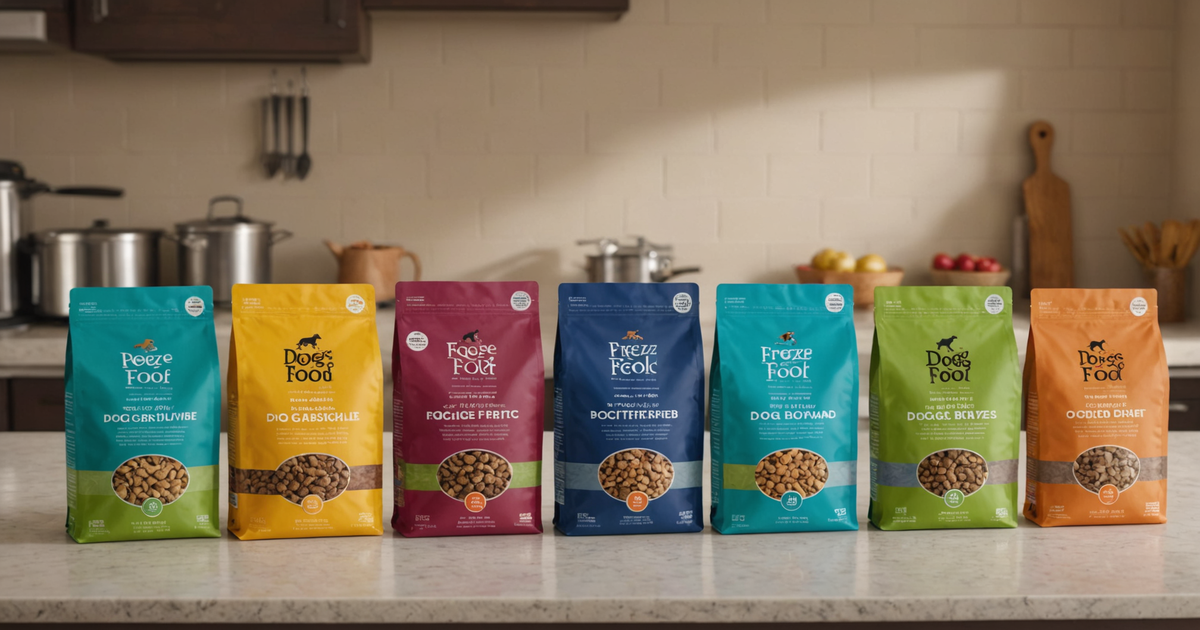
As a devoted pet owner, ensuring your dog receives the best nutrition is of utmost importance. Among the myriad of feeding options available, freeze-dried dog food and kibble stand out as popular choices. Each has its unique benefits and drawbacks, influencing the overall health and well-being of your furry friend. This comprehensive guide will delve into the differences between freeze-dried dog food vs kibble, helping you make an informed decision. For more detail, see official guidance.
Freeze-dried dog food is crafted by removing moisture through a freezing process, preserving the nutritional integrity of the ingredients. This method helps in maintaining the original texture, taste, and nutritional value of the raw food while extending shelf life. 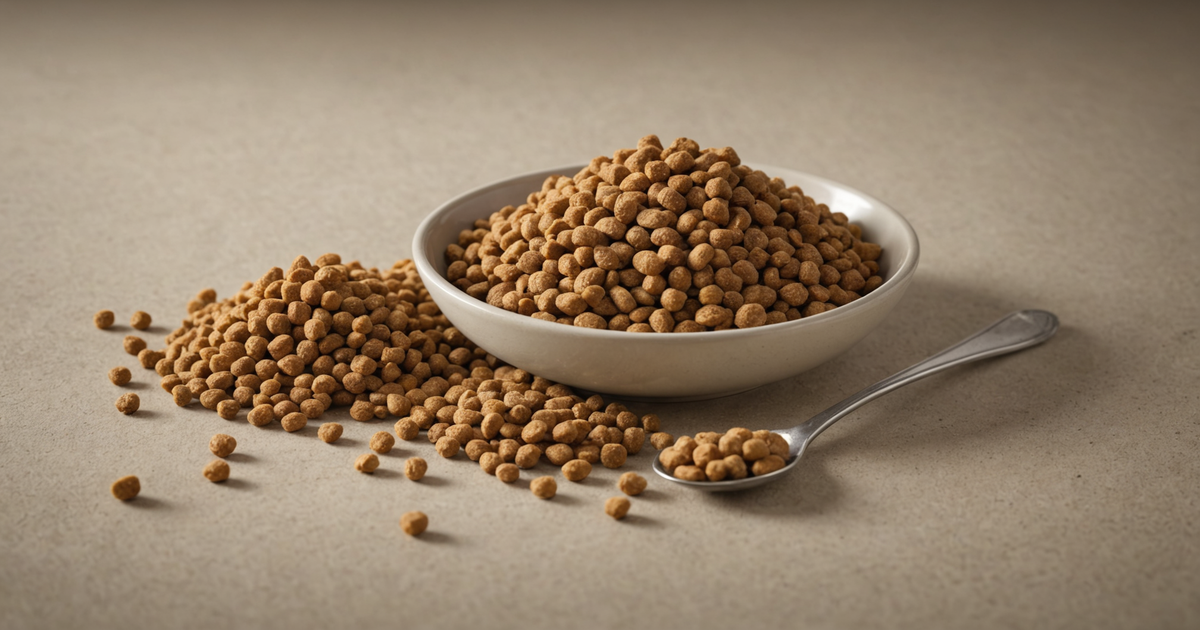 . For more detail, see further information.
Nutritional Value: Freeze-drying preserves more nutrients than traditional cooking methods, offering a diet closer to what dogs would consume in the wild. This process retains essential vitamins, minerals, and enzymes beneficial for your dog’s health.
Convenience: Unlike raw diets, which require refrigeration, freeze-dried foods are shelf-stable and easy to store. They can also be easily rehydrated, making meal preparation straightforward and time-efficient.
Palatability: Many dogs find freeze-dried options more enticing due to their rich flavours and textures resembling fresh food. For more detail, see planning resources.
For more insights into freeze-dried options, you can explore dog food freeze-dried options. For more detail, see local insights.
Cost: Freeze-dried dog food tends to be more expensive than kibble, which may be a consideration for budget-conscious pet owners.
Preparation: While convenient, freeze-dried food requires rehydration before serving, which some pet owners may find cumbersome.
For a detailed review on specific products, check out our Stella & Chewy Freeze-Dried Raw Guide.
Kibble is the most common form of dog food, created by cooking and extruding ingredients into small, dry pieces. It is widely chosen for its affordability and ease of use.
Affordability: Kibble is generally more economical, making it accessible for a wide range of pet owners.
Convenience: Ready to serve straight from the bag, kibble requires no additional preparation, making it ideal for busy lifestyles.
Dental Health: The crunchy texture of kibble can aid in reducing plaque buildup on dogs’ teeth, promoting oral health.
Nutrient Loss: The high-temperature cooking process may lead to nutrient degradation, potentially compromising the nutritional value of the food.
Additives: Many kibble brands include artificial preservatives, colours, and flavours, which some pet owners might prefer to avoid.
For pet owners interested in homemade alternatives, exploring DIY pet projects can be beneficial.
When comparing freeze-dried dog food vs kibble, it’s essential to consider factors like nutritional content, cost, convenience, and your dog’s specific dietary needs.
Nutritional Comparison: Freeze-dried foods maintain higher nutrient levels due to minimal processing, while kibble might lack certain nutrients due to high-temperature cooking. According to the Pet Nutrition Alliance, choosing a diet that meets AAFCO standards is crucial for balanced nutrition.
Cost Considerations: Freeze-dried food is typically more costly, but investing in your pet’s health can lead to long-term benefits. Exploring bulk freeze-dried food deals can help manage costs.
Convenience and Lifestyle: Kibble is ideal for those seeking a hassle-free feeding option, while freeze-dried foods appeal to pet owners prioritising nutritional integrity and flavour.
Choosing between freeze-dried dog food vs kibble ultimately depends on your dog’s specific needs, your lifestyle, and budgetary considerations. Both options have their merits, and understanding these can help you make an informed choice that supports your dog’s health and happiness.
For more information on healthy treats and diet options, visit our Healthy Treats section.
The primary difference lies in the processing method. Freeze-dried dog food retains more nutrients by removing moisture through freezing, while kibble is cooked at high temperatures.
Both are safe if they meet AAFCO standards. However, freeze-dried foods may pose a risk of bacterial contamination if not handled properly, so always follow storage and preparation guidelines.
Yes, mixing can provide balanced nutrition and enhance palatability for picky eaters. Ensure that both foods are nutritionally complete.
Gradually introduce freeze-dried food by mixing it with your dog’s current diet, increasing the freeze-dried portion over 7-10 days to avoid digestive upset.
Dogs with specific health conditions or dietary restrictions should follow a veterinarian’s advice. Puppies, seniors, or dogs with compromised immune systems may require special considerations.
When stored correctly in a cool, dry place, freeze-dried dog food can last up to a year. Always check the expiration date and follow storage instructions.
Yes, the crunchy texture of kibble can help reduce plaque build-up, but it should not replace regular dental care practices such as brushing and veterinary cleanings.
Ensure the food meets AAFCO nutritional standards and contains high-quality ingredients with minimal preservatives. The AAFCO guide provides detailed information on pet food labelling.