
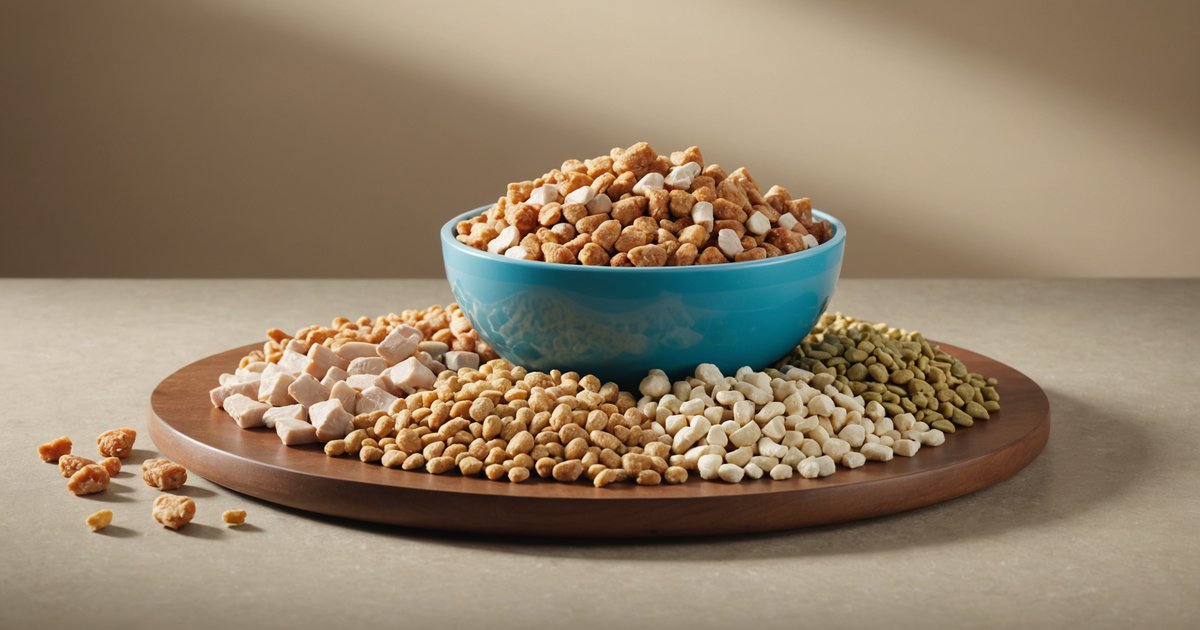
When it comes to treating our canine companions, pet owners are increasingly seeking healthy and natural options. Amongst these, freeze dried chicken treats for dogs have gained significant popularity. These treats not only cater to a dog’s taste buds but also offer nutritional benefits that make them a preferred choice for many pet parents. This article delves into why freeze dried chicken treats for dogs are an excellent option, highlighting their benefits, production process, and how to choose the best ones for your pet. For more detail, see official guidance.
Freeze drying is a preservation method that removes moisture from food, ensuring a longer shelf life without the use of preservatives. This process involves freezing the chicken and then reducing the surrounding pressure to allow the frozen water in the chicken to sublimate directly from the solid phase to the gas phase. The result is a lightweight, shelf-stable treat that retains its nutritional value and flavour. For more detail, see further information.
Nutritional Advantages:. For more detail, see detailed advice.
Freeze dried chicken treats maintain the nutritional integrity of raw chicken. This means that essential nutrients like protein, vitamins, and minerals are preserved. Dogs require a balanced diet to maintain their health, and these treats can be a valuable addition to their nutrition plan. According to the American Kennel Club, protein is vital for a dog’s muscle development, and freeze dried chicken is an excellent source of high-quality protein. For more detail, see planning resources.
As previously mentioned, the freeze drying process preserves the nutritional content of chicken. This ensures that your dog receives essential nutrients without the need for artificial additives. The World Small Animal Veterinary Association highlights the importance of nutrient-rich diets in maintaining canine health, making these treats an ideal choice.
One of the most significant advantages of freeze dried chicken treats is their convenience. They are lightweight and have a long shelf life, making them perfect for travel or outdoor adventures. Additionally, they do not require refrigeration, which is a bonus for busy pet owners.
Many pet owners are concerned about the ingredients in their dog’s treats. With freeze dried chicken treats, what you see is what you get. These treats are made from 100% chicken, free from fillers, preservatives, and artificial ingredients. This aligns with the Pet Nutrition Alliance standards for natural pet food.
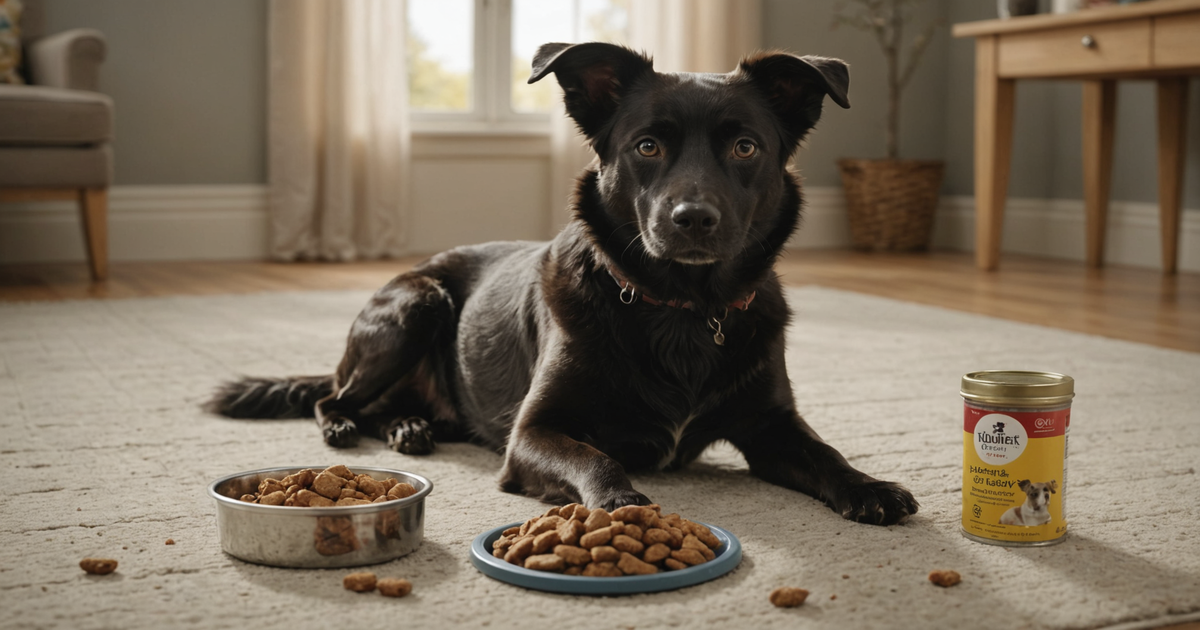
When selecting freeze dried chicken treats for your dog, consider the following factors:
Opt for treats made from high-quality chicken sourced from reputable suppliers. The Association of American Feed Control Officials (AAFCO) provides guidelines to ensure that pet food products meet the necessary nutritional standards.
Choose brands with a strong reputation for quality and safety. Reading reviews and seeking recommendations from your veterinarian can help in making an informed decision. Additionally, you can explore AK Mountain Dog’s selection of freeze dried treats known for their quality.
While price is an important consideration, it should not be the sole determining factor. Consider the nutritional value and ingredients of the treats, ensuring they provide the best value for money. For example, AK Mountain Dog’s mixed cases offer a variety of options at competitive prices.
While freeze dried chicken treats are nutritious, they should be given in moderation. Treats should not make up more than 10% of your dog’s daily caloric intake, as recommended by the American Veterinary Medical Association.
These treats are perfect for training sessions due to their appealing taste and aroma. They serve as an excellent reward for good behaviour, making training more effective and enjoyable for your dog.
Freeze dried chicken treats for dogs are a nutritious, natural, and convenient option for pet owners looking to reward their dogs with healthy snacks. By ensuring these treats come from reputable sources and are given in moderation, you can enhance your dog’s diet with minimal effort. As always, consult with your veterinarian to tailor the best nutritional plan for your pet, and explore resources like AK Mountain Dog for more insights on healthy dog treats.
Generally, yes. However, it’s important to monitor your dog for any allergic reactions and consult with a veterinarian if you have concerns regarding specific dietary needs.
These treats have a long shelf life, often lasting up to a year if stored properly in a cool, dry place.
No, these treats should not replace a complete and balanced diet. They are intended as supplements or rewards and should not contribute more than 10% of your dog’s daily caloric intake.
The primary risk involves overfeeding, which can lead to obesity. Ensure treats are given in moderation and form part of a balanced diet.
Store them in an airtight container in a cool, dry place to maintain freshness and prevent spoilage.
Freeze drying retains more nutrients and flavour compared to dehydration, which uses heat and can degrade some nutritional components.
Yes, but it’s important to ensure the treats are given in appropriate sizes and quantities suitable for puppies. Always consult with your vet regarding dietary changes for young dogs.