
In recent years, pet owners have become increasingly conscious about the nutritional needs of their furry companions. One of the popular trends in pet nutrition is the incorporation of natural, minimally processed treats, such as freeze-dried chicken necks, into a dog’s diet. These treats are not just a tasty indulgence for your pet but also a rich source of calcium and other essential nutrients. This article aims to delve into the benefits and considerations of feeding freeze-dried chicken necks to dogs, offering a comprehensive guide to this nutritious treat. For more detail, see official guidance.
Freeze-dried chicken necks are an excellent choice for pet owners seeking a nutritious treat for their dogs. These treats are primarily known for their high calcium content, which is vital for maintaining strong bones and teeth. Calcium also plays a crucial role in muscle function, nerve signalling, and blood clotting. As dogs age, their calcium needs may increase, making these treats a beneficial addition to their diet. For more detail, see further information.
In addition to calcium, chicken necks provide naturally occurring glucosamine and chondroitin, which are known to support joint health. This is particularly beneficial for older dogs or breeds prone to joint issues. The freeze-drying process preserves these nutrients, ensuring that your dog receives the maximum health benefit from each treat. For more detail, see detailed advice.
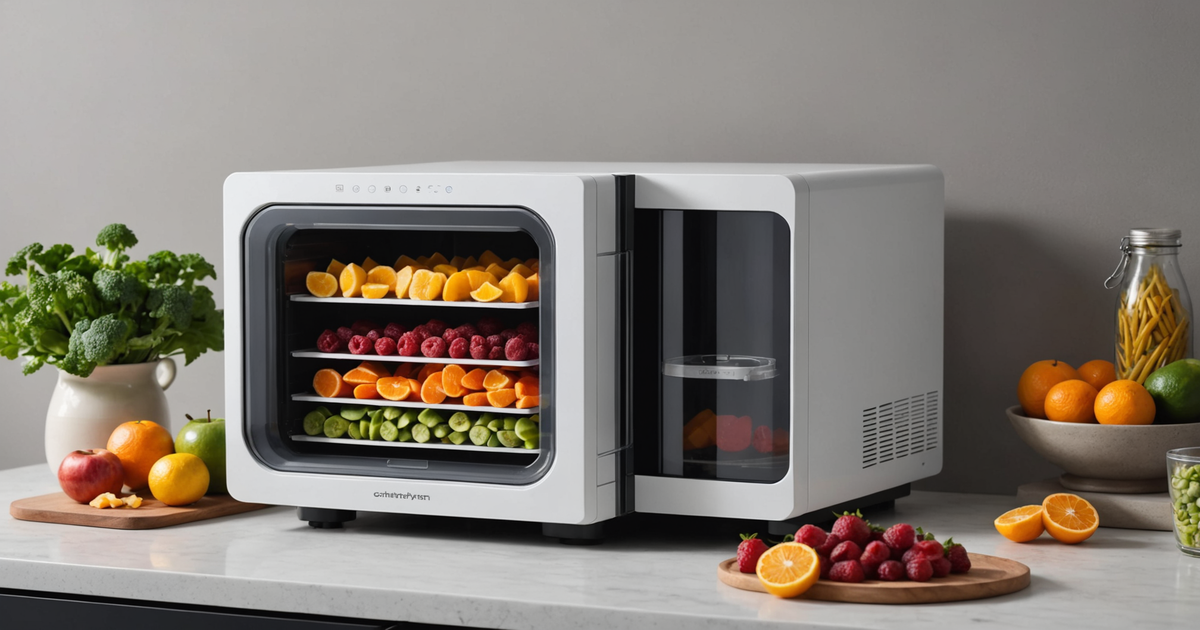
The freeze-drying process is a method of food preservation that removes moisture while retaining nutritional value. This process involves freezing the chicken necks and then slowly reducing the surrounding pressure to allow the frozen water in the food to sublime directly from the solid to the gas phase. This method not only preserves the nutritional integrity of the chicken necks but also extends their shelf life, making them a convenient option for pet owners. For more detail, see planning resources.
The absence of moisture in freeze-dried treats means they do not require refrigeration, making them easy to store and transport. This convenience is particularly appealing for those who travel with their pets or have limited storage space at home. For more detail, see local insights.

Introducing a new treat to your dog’s diet should be a gradual process. Start by offering small pieces of freeze-dried chicken necks and observe your dog’s reaction. It is crucial to monitor for any signs of digestive upset or allergies. If your dog shows any adverse reactions, discontinue use and consult your veterinarian.
It’s also essential to ensure that your dog chews the treat thoroughly to prevent choking or digestive blockages. This is particularly important for smaller breeds or dogs that tend to gulp their food. Providing supervision during treat time can help mitigate any risks.
For additional guidance on integrating raw foods into your dog’s diet, you may find valuable insights in our raw diets section.
When comparing freeze-dried chicken necks to other treats, it’s important to consider the nutritional profile and health benefits. Unlike highly processed treats that may contain artificial additives and preservatives, freeze-dried chicken necks are a natural option that retains its original nutrients. This makes them a healthier choice for your pet.
Other popular freeze-dried treats, such as freeze-dried liver treats, also offer high nutritional value and variety to your dog’s diet. Each type of treat provides unique benefits, so rotating between different options can help ensure a well-rounded intake of nutrients.
Freeze-dried chicken necks are a nutritious, convenient, and enticing treat for dogs. Their natural nutrient content, particularly calcium and joint-supporting compounds, makes them an excellent choice for pet owners seeking healthy treat options. However, it’s vital to introduce these treats carefully and monitor your dog’s reaction to ensure they are a suitable addition to their diet.
For a broader selection of pet treats and insights into maintaining a balanced canine diet, explore our pet treats category.
While freeze-dried chicken necks are generally safe, they may not be suitable for all dogs, particularly those with poultry allergies or small breeds prone to choking. It’s essential to supervise your dog while they enjoy these treats.
The frequency depends on your dog’s overall diet and nutritional needs. It’s best to consult with your veterinarian to determine an appropriate treat schedule.
No, freeze-dried chicken necks should not replace a balanced diet. They are intended as occasional treats and should complement your dog’s regular meals.
No, one of the benefits of freeze-dried treats is their long shelf life without the need for refrigeration. Store them in a cool, dry place.
If your dog shows any signs of an allergic reaction or digestive upset, discontinue use immediately and consult your veterinarian.
Puppies can enjoy freeze-dried chicken necks, but it’s crucial to ensure they are appropriately sized and that the puppy is supervised to prevent choking.
Freeze-dried chicken necks offer similar nutritional benefits to other raw treats, such as freeze-dried liver, but they are more convenient due to their extended shelf life and ease of storage.
You can find freeze-dried chicken necks and other nutritious treats at various pet stores and online retailers. For a selection of high-quality options, visit our pet products section.