
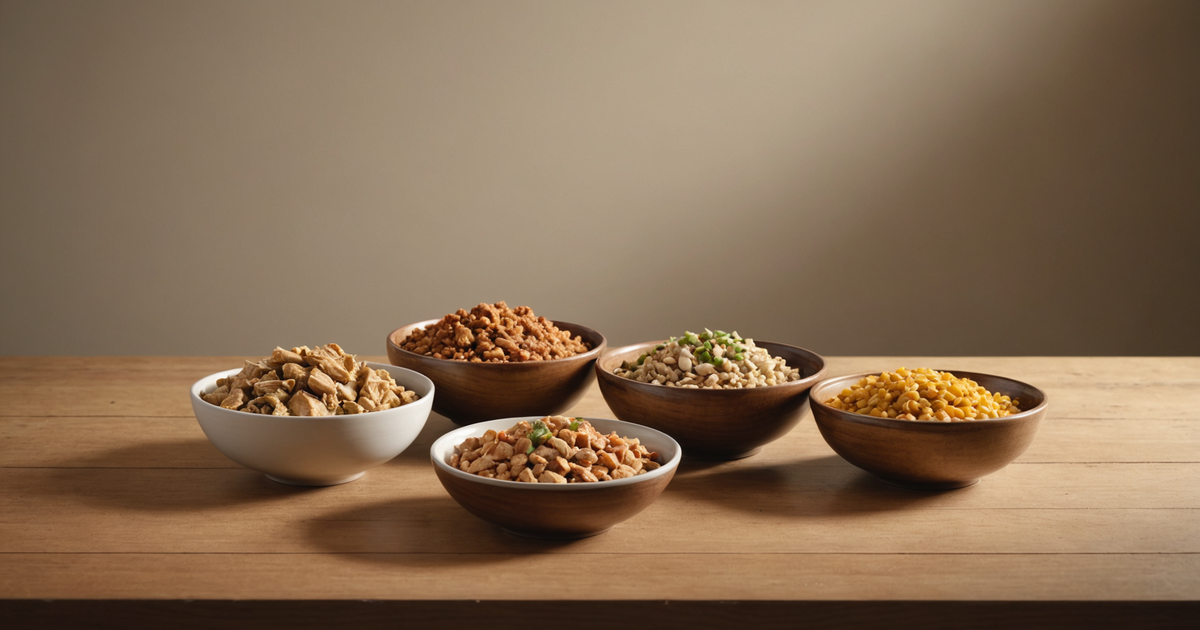
As cat owners, we all strive to provide the best nutrition for our feline companions. In recent years, freeze dried chicken for cats has become a popular choice among pet parents seeking a natural and wholesome protein source. This article delves into the benefits of freeze dried chicken, how it compares to other cat food options, and why it might be the ideal addition to your cat’s diet. With insights from experts and references to trusted resources, you’ll find out why freeze dried chicken is a compelling option for cat nutrition. For more detail, see official guidance.
Freeze drying is a preservation process that removes moisture from food, making it lightweight and shelf-stable while retaining its nutritional value. Freeze dried chicken for cats is essentially fresh chicken that has been subjected to this process, resulting in a protein-rich treat or meal supplement. Unlike traditional kibble, freeze dried chicken does not contain fillers, making it a purer source of protein for your feline friend. For more detail, see further information.
Freeze dried chicken is packed with essential nutrients, including high-quality protein and amino acids, vital for your cat’s overall health. Proteins are fundamental for maintaining muscle mass, supporting a healthy immune system, and promoting a shiny coat. According to the World Small Animal Veterinary Association, a diet rich in high-quality protein is crucial for felines, as they are obligate carnivores. For more detail, see planning resources.
When comparing freeze dried chicken to other forms of cat food, such as canned or kibble, several advantages emerge. Traditional kibble often contains grains and carbohydrates, which are not part of a natural feline diet. Canned food, while more similar to a natural diet, can contain preservatives and additives. In contrast, freeze dried chicken offers a minimally processed, additive-free alternative that aligns more closely with a cat’s natural dietary needs.
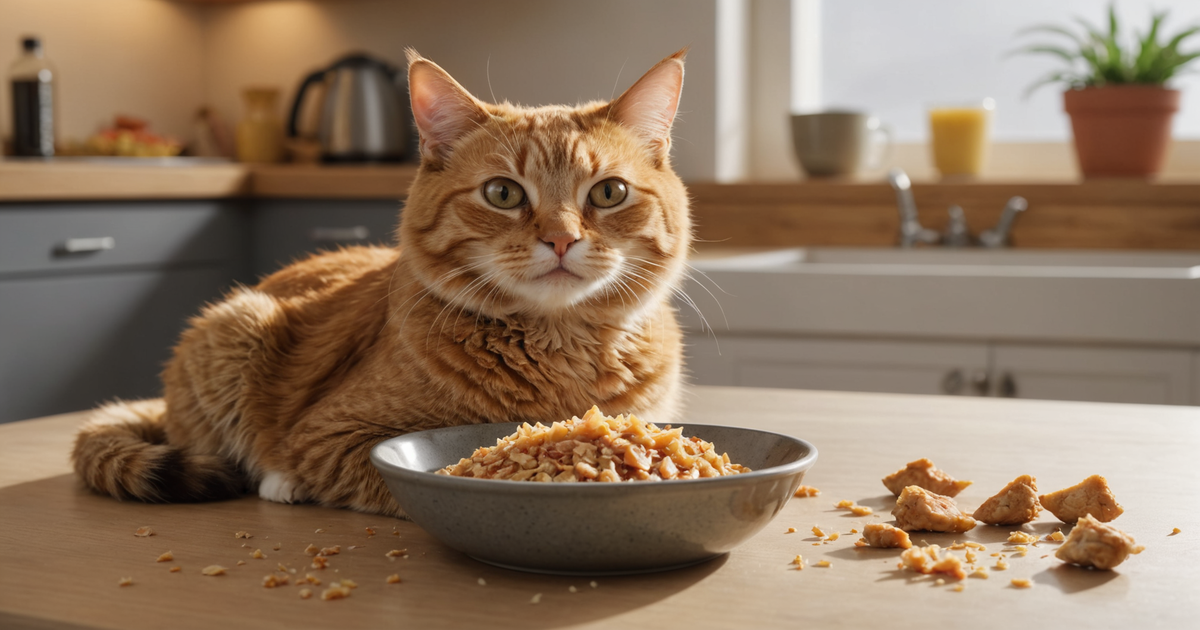
Incorporating freeze dried chicken into your cat’s diet is straightforward and can be done in several ways. It can be used as a topper to enhance the nutritional value of your cat’s regular food or as a standalone meal. When using it as a meal, it’s important to ensure your cat receives a balanced diet by supplementing with other nutrients. The American Association of Feed Control Officials provides guidelines on ensuring a complete and balanced diet for pets.
While freeze dried chicken is generally safe, it’s essential to consider any specific health needs your cat may have. Always consult with a veterinarian to determine if freeze dried chicken is suitable for your pet, especially if they have dietary restrictions. The American Veterinary Medical Association recommends discussing any dietary changes with your vet to ensure it aligns with your pet’s health requirements.
As with any dietary change, there may be potential risks, such as digestive upset or allergic reactions. Monitoring your cat’s response to freeze dried chicken is crucial. If any adverse reactions occur, discontinue use and consult your vet.
Many freeze dried chicken products are sourced from farms that prioritise animal welfare and sustainable practices. Choosing brands that adhere to these standards ensures not only a high-quality product for your pet but also supports ethical farming practices. The Pet Food Manufacturers Association provides resources on choosing sustainable pet foods.
Freeze dried chicken for cats offers a nutritious, natural, and convenient way to enhance your pet’s diet. By providing high-quality protein without unnecessary additives, it supports your cat’s health in a way that aligns with its natural dietary preferences. As with any dietary change, consult your veterinarian to tailor a feeding plan that best suits your pet’s unique needs.
1. What is the best way to store freeze dried chicken for cats?
Store freeze dried chicken in a cool, dry place in an airtight container to maintain its freshness and nutritional integrity.
2. Can freeze dried chicken be used as a complete meal for cats?
While freeze dried chicken is rich in protein, it should be part of a balanced diet supplemented with other nutrients as recommended by the Pet Nutrition Alliance.
3. How do I know if my cat is allergic to freeze dried chicken?
Watch for signs of allergies, such as gastrointestinal upset or skin irritation. If these occur, consult your vet immediately.
4. Is freeze dried chicken safe for kittens?
Yes, but it should be introduced gradually and supplemented to ensure a balanced diet suitable for a kitten’s growth and development.
5. How does freeze drying affect the nutritional value of chicken?
Freeze drying preserves most of the chicken’s nutritional content, offering a concentrated source of protein without preservatives.
6. Can I mix freeze dried chicken with other pet foods?
Yes, it’s a great way to enhance the flavour and nutritional value of other foods. Consider mixing it with a salmon topper for variety.
7. Where can I purchase high-quality freeze dried chicken for my cat?
You can find a range of freeze dried chicken options in pet stores or online, such as the AK Mountain Dog shop.
8. How do I prepare freeze dried chicken for my cat?
Rehydrate the chicken by soaking it in warm water to make it easier for your cat to eat and digest.