
In the world of pet nutrition, offering our canine companions the best possible treats is essential for their health and happiness. Among the variety of choices available, freeze dried beef liver for dogs stands out as a particularly beneficial option. These treats are not only a favourite among dogs but also pack a nutritional punch, making them an excellent choice for conscientious pet owners. This blog post delves into what makes freeze dried beef liver a high-value treat, its nutritional benefits, and how it can fit into your dog’s diet. For more detail, see further information.
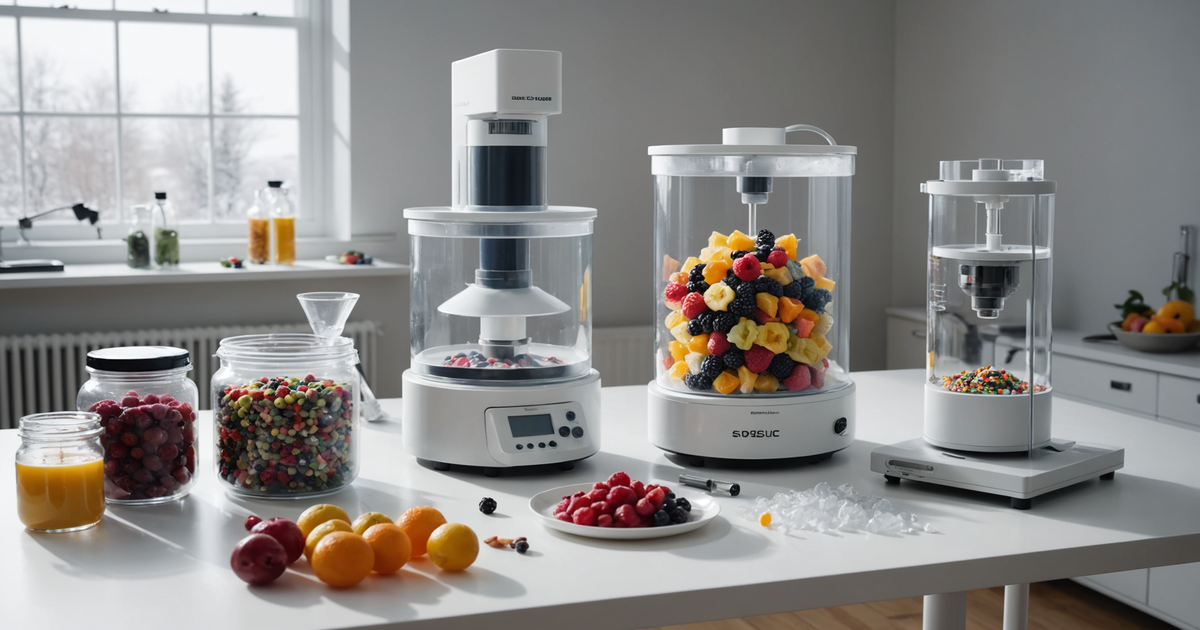
Freeze drying is a preservation method that removes moisture from foods while retaining their nutritional value. This process involves freezing the beef liver and then reducing the surrounding pressure to allow the frozen water in the liver to sublimate directly from the solid to the gas phase. The result is a lightweight, shelf-stable product that maintains the liver’s original nutrients. For more detail, see detailed advice.
Beef liver is a powerhouse of nutrients. It is rich in essential vitamins and minerals, including Vitamin A, several B vitamins like B12 and riboflavin, iron, and zinc. These nutrients play crucial roles in maintaining your dog’s health, supporting everything from vision and immune function to red blood cell production and energy metabolism. According to the American Kennel Club, liver is an excellent source of high-quality protein and provides a concentrated source of energy. For more detail, see local insights.
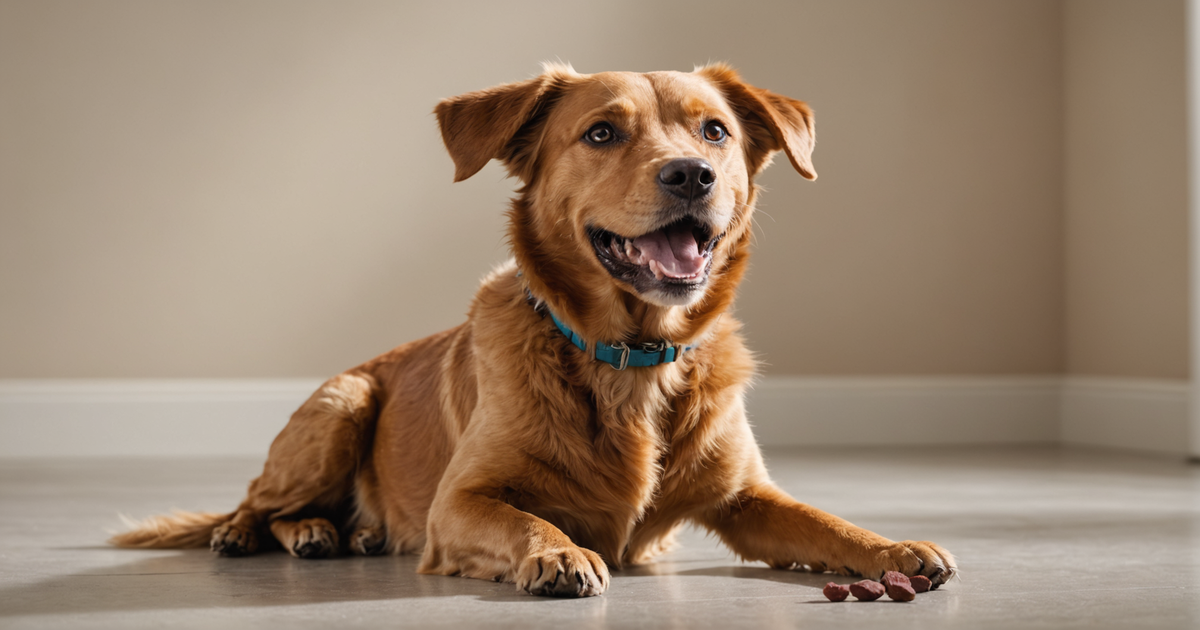
One of the primary reasons freeze dried beef liver is a favourite among dog trainers and pet owners is its high palatability. Dogs are naturally attracted to the rich aroma and taste of liver, making it an ideal high-value reward during training sessions. This makes it a versatile treat that can help reinforce positive behaviours effectively.
Freeze dried treats are exceptionally convenient. They require no refrigeration and can be easily stored in a pantry. Their lightweight nature makes them perfect for on-the-go snacking, whether you’re on a long walk or a short training session in the park. For those interested in integrating more natural treats into their pet’s diet, AK Mountain Dog’s selection offers a range of freeze dried options that are both healthy and delicious.
The freeze drying process ensures that most of the nutrients present in fresh liver are retained. This means that your dog can enjoy the physiological benefits without the need for artificial additives or preservatives. According to the American Veterinary Medical Association, maintaining the integrity of nutrients in pet foods is crucial for the overall health and longevity of pets.
Although freeze dried beef liver is nutritious, it should be fed in moderation. Liver is rich in Vitamin A, and excessive consumption can lead to hypervitaminosis A, which can be harmful to dogs. The World Small Animal Veterinary Association recommends consulting with your veterinarian to ensure treats make up no more than 10% of your dog’s daily caloric intake.
Due to its high palatability, freeze dried liver is perfect for training. Whether teaching basic commands or advanced tricks, these treats can be broken into small pieces to avoid overfeeding while still providing ample motivation for your dog. For more training treat options, consider exploring healthy pet treat alternatives to add variety to your dog’s reward system.
For those who feed their dogs a raw diet, freeze dried beef liver can be an excellent addition. It complements the diet by providing concentrated nutrients without the mess or inconvenience of raw liver. For more insights into raw diets and how they can benefit your pet, check out AK Mountain Dog’s raw diet resources.
Freeze dried beef liver for dogs is more than just a tasty treat; it’s a nutritional powerhouse that can support your pet’s health in various ways. From its rich nutrient profile to its convenience and palatability, it’s no wonder this treat has become a staple for many dog owners. By incorporating it wisely into your dog’s diet and using it as a training reward, you can enhance your pet’s nutrition and well-being.
1. Can all dogs eat freeze dried beef liver?
Most dogs can enjoy freeze dried beef liver, but it’s essential to introduce any new treat gradually to monitor for any adverse reactions. Consult your veterinarian if your dog has specific dietary restrictions.
2. How should I store freeze dried liver treats?
Store freeze dried liver in a cool, dry place. Ensure the packaging is sealed to maintain freshness.
3. Are there any risks associated with feeding liver to dogs?
While nutritious, liver should be fed in moderation due to its high Vitamin A content, which can cause health issues if overconsumed.
4. Can freeze dried liver be part of a balanced raw diet?
Yes, freeze dried liver can complement a raw diet by adding nutrient-rich variety without the inconvenience of raw organ meats.
5. How does freeze drying preserve the nutrients in liver?
Freeze drying removes moisture while retaining nutrients, preserving the liver’s original vitamins and minerals effectively.
6. Are there other freeze dried treats suitable for dogs?
Yes, there are various freeze dried options available, such as AK Mountain Dog’s freeze dried snacks, which include different meats and flavours.
7. How do I incorporate freeze dried liver into training sessions?
Break the treats into small pieces and use them as rewards for training to motivate and reinforce positive behaviour.
8. What should I do if my dog shows signs of an allergic reaction to liver?
If your dog shows symptoms like itching, swelling, or gastrointestinal upset, discontinue the treats and consult your veterinarian immediately.