
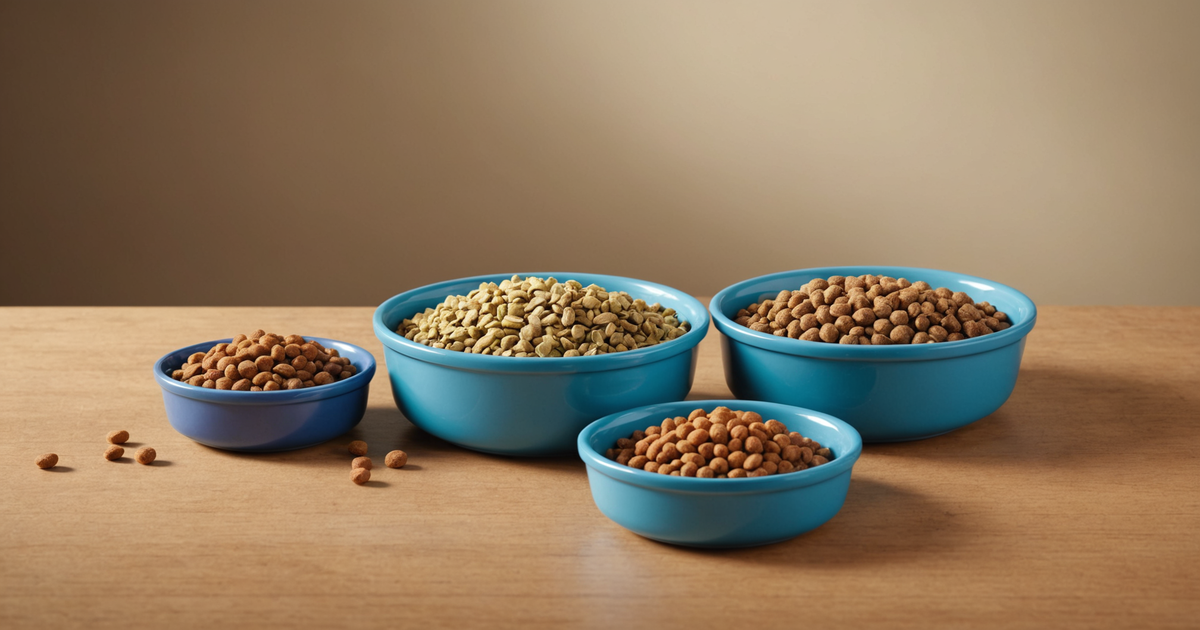
In recent years, the pet food industry has witnessed a significant shift towards freeze-dried options, often referred to as “Fed Freeze.” But what exactly is Fed Freeze, and why has it become a popular choice among pet owners? This comprehensive guide will explore the offerings of Fed Freeze, its benefits, and its appeal to both pets and their owners. The growing trend of freeze-dried pet food is not just a fad; it’s rooted in nutritional science and convenience, providing a balanced diet that caters to the needs of both cats and dogs. For more detail, see further information.
Fed Freeze refers to the process of freeze-drying pet food, which involves removing moisture from food through a freezing and vacuuming process. This method preserves the nutritional integrity of the ingredients while extending the shelf life of the product. Freeze-dried pet foods offer a lightweight, convenient alternative to traditional wet or dry foods, making them a practical choice for pet owners. For more detail, see detailed advice.
Nutritional Preservation: The freeze-drying process retains the essential nutrients found in raw ingredients without the need for additives or preservatives. This ensures that pets receive a diet rich in vitamins, minerals, and proteins.
Convenience: Lightweight and easy to store, freeze-dried foods are ideal for pet owners who travel frequently or have limited storage space. They require no refrigeration and can be rehydrated quickly with water. For more detail, see local insights.
Appeal to Pets: The texture and taste of freeze-dried foods can be more appealing to pets compared to traditional kibble, encouraging better eating habits.
Natural Ingredients: Many freeze-dried options focus on using high-quality, natural ingredients without artificial fillers, aligning with the growing demand for holistic pet care.
Freeze-dried pet foods should not be confused with dehydrated foods, which use heat to remove moisture and can affect the nutritional quality. The freeze-drying process is more efficient at preserving the original state of the food, making it a superior choice for maintaining a complete and balanced diet.
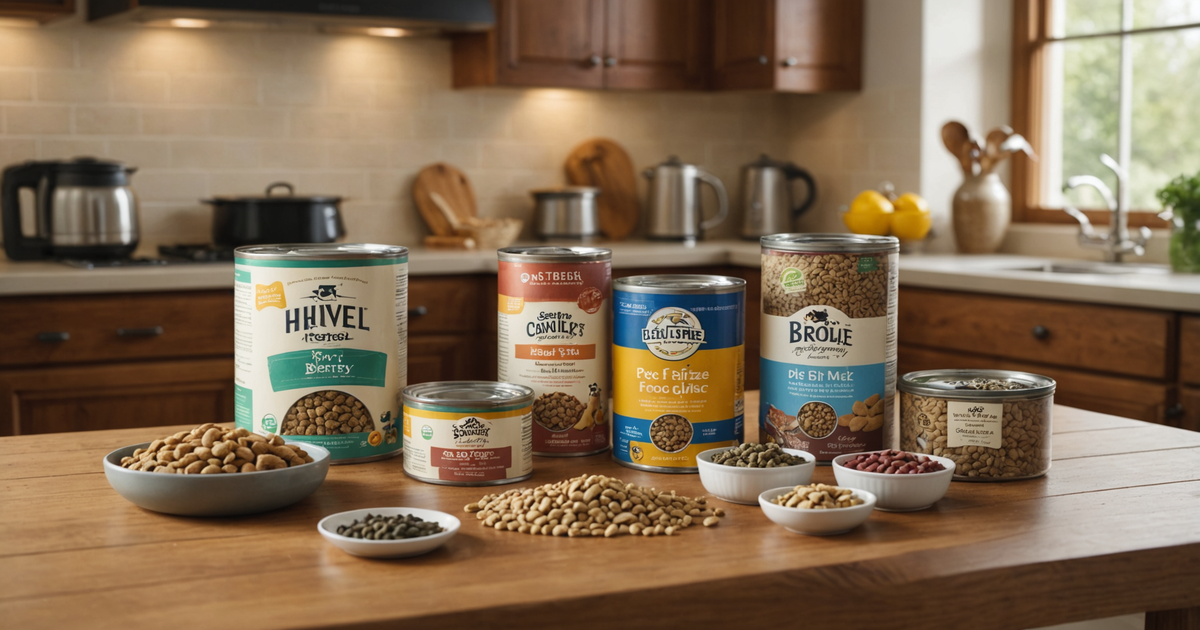
For pet owners interested in providing a varied diet, freeze-dried treats like freeze-dried liver dog treats offer a nutritious option that can be used as rewards or meal toppers.
The market is replete with Fed Freeze products, catering to the diverse needs of pets. Brands often offer a range of flavours and formulations, including:
Salmon-Based Foods: Rich in omega-3 fatty acids, salmon-based freeze-dried options, such as the MK-9 Deployable Pack 60 Salmon Minis Case, provide essential nutrients for skin and coat health.
Chicken Treats: Freeze-dried chicken treats are a favourite among dogs for their palatability and high protein content. The Chicken Dog Treats Freeze-Dried option offers a simple, single-ingredient treat that is both healthy and delicious.
Beef Liver Treats: Known for their rich flavour and nutrient density, beef liver treats like Nutri Bites Beef Liver Dog Treats offer a high-value reward for training and indulgence.
According to the American Veterinary Medical Association (AVMA), comprehensive nutrition is crucial for maintaining the health and longevity of pets. Freeze-dried foods align with these guidelines by offering a balanced composition of nutrients.
Additionally, the World Small Animal Veterinary Association (WSAVA) highlights the importance of a complete and balanced diet, which freeze-dried foods can provide due to their preserved nutrient profile.
While there are many benefits to Fed Freeze, it’s essential to consider potential drawbacks:
Cost: Freeze-dried foods can be more expensive than traditional options due to the advanced technology used in their production.
Rehydration Requirement: Some pets may not readily accept the texture of freeze-dried food unless rehydrated, which can be an extra step for busy pet owners.
For those looking to incorporate freeze-dried foods into their pet’s diet without breaking the bank, the Salmon Topper 1lb offers a cost-effective way to add nutrition and flavour to standard meals.
Fed Freeze represents a significant advancement in pet nutrition, providing a convenient, nutritious, and appealing option for both pets and their owners. As the demand for high-quality, natural pet foods continues to grow, freeze-dried products are well-positioned to meet these needs. By understanding the benefits and limitations of Fed Freeze, pet owners can make informed decisions that best suit their pet’s dietary requirements and lifestyle.
What is the difference between freeze-dried and dehydrated pet food?
Freeze-dried pet food retains more nutrients due to the absence of heat in the drying process, unlike dehydrated food, which uses heat and may compromise nutritional value.
How should I store freeze-dried pet food?
Store freeze-dried pet food in a cool, dry place. Once opened, it should be sealed properly to maintain freshness and prevent moisture absorption.
Can freeze-dried foods be mixed with other types of pet food?
Yes, freeze-dried foods can be used as a topper or mixed with wet or dry food to enhance flavour and nutrition.
Is freeze-dried pet food suitable for all life stages?
Most freeze-dried foods are formulated to meet the nutritional needs of all life stages. However, always check the packaging or consult with your veterinarian to ensure it meets your pet’s specific requirements.
Why are freeze-dried foods more expensive?
The freeze-drying process is more complex and costly than traditional food processing, contributing to the higher price point of freeze-dried products.
Do pets prefer the taste of freeze-dried food?
Many pets find the taste and texture of freeze-dried food appealing, which can encourage better eating habits, especially in picky eaters.
Are there any additives in freeze-dried pet foods?
Most freeze-dried foods focus on natural ingredients and do not contain artificial additives or preservatives.
How do I transition my pet to a freeze-dried diet?
Transition your pet gradually by mixing increasing amounts of freeze-dried food with their current diet over a week to prevent digestive upset.