
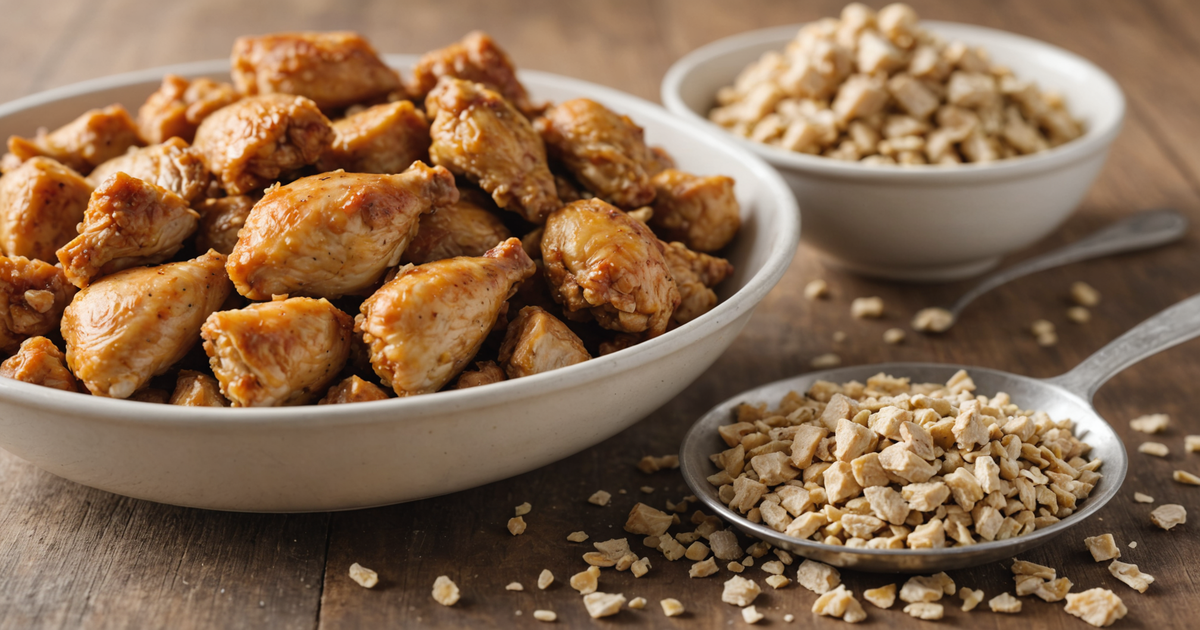
As pet owners, we all strive to provide the best nutrition for our beloved animals, ensuring they lead healthy and vibrant lives. One increasingly popular option in the world of pet nutrition is dry freeze chicken, a versatile and nutritious ingredient that can be a boon for both dogs and cats. This blog post explores the benefits of dry freeze chicken for pets, explaining how it supports nutrition and why you might consider incorporating it into your pet’s diet. . For more detail, see official guidance.
Dry freeze chicken is essentially chicken meat that has undergone a freeze-drying process. This method involves removing moisture from the meat while preserving its nutritional value. The result is a lightweight, shelf-stable product that retains the taste and nutrients of fresh chicken. Freeze-drying is a popular choice among manufacturers because it locks in the flavour and nutrients without the need for preservatives. For more detail, see further information.
The American Kennel Club notes that a balanced diet is crucial for pets, and including high-quality proteins like chicken is essential. Dry freeze chicken fits well into this framework, providing a rich source of protein which is vital for muscle development and energy. For more detail, see detailed advice.
Nutrient Retention: One of the primary benefits of freeze-dried chicken is nutrient retention. Unlike traditional drying methods, freeze-drying preserves the essential nutrients and enzymes found in raw chicken. According to the Pet Nutrition Alliance, maintaining these nutrients is crucial for a balanced pet diet. For more detail, see local insights.
Convenience and Shelf Life: Dry freeze chicken is incredibly convenient due to its long shelf life. It requires no refrigeration, making it ideal for on-the-go pet owners. This is particularly beneficial for those who travel with their pets or have limited freezer space.
Digestibility: As per the World Small Animal Veterinary Association, easily digestible proteins are vital for maintaining good digestive health in pets. Freeze-dried chicken is gentle on the stomach, making it suitable for pets with sensitive digestive systems.
Versatility: Dry freeze chicken can be used in various ways, such as a meal topper, training treat, or even a standalone meal. Products like freeze-dried minnows for training offer similar versatility, catering to different dietary needs and preferences.

Incorporating dry freeze chicken into your pet’s diet can be a seamless process. Here are some practical tips:
Meal Topper: Sprinkle freeze-dried chicken over your pet’s regular kibble to enhance the taste and nutritional value. This can be particularly beneficial for picky eaters.
Training Treat: Use small pieces of freeze-dried chicken as a high-value reward during training sessions. This method is often recommended in training resources for its effectiveness and appeal.
Hydration: Although freeze-dried chicken can be fed dry, rehydrating it with warm water can enhance its palatability and moisture content, providing additional hydration to your pet.
While dry freeze chicken offers numerous benefits, there are some considerations to keep in mind:
Cost: Freeze-dried products can be more expensive than traditional pet foods due to the complex processing involved. However, the nutritional benefits often justify the cost.
Calorie Density: As freeze-dried foods are calorie-dense, it’s crucial to monitor portion sizes to prevent overfeeding. The FDA provides guidelines on understanding pet food labels, which can be useful when determining appropriate serving sizes.
Balanced Diet: While freeze-dried chicken is a nutritious protein source, it should be part of a balanced diet that includes other nutrients. For guidance on complete pet nutrition, the AAFCO offers comprehensive resources.
Dry freeze chicken offers a convenient and nutritious option for pet owners seeking to enhance their pets’ diets. With its rich protein content and preserved nutrients, it’s an excellent choice for both dogs and cats. When used wisely alongside a balanced diet, dry freeze chicken can contribute significantly to your pet’s overall health and wellness.
For those interested in exploring more about freeze-dried products, the freeze-dried raw cat food guide provides detailed insights into similar products for cats.
1. What is dry freeze chicken?
Dry freeze chicken is chicken meat that has been freeze-dried to remove moisture while preserving its nutrients and flavour.
2. Is freeze-dried chicken safe for pets?
Yes, freeze-dried chicken is safe for pets when sourced from reputable manufacturers and fed as part of a balanced diet.
3. How should I store dry freeze chicken?
Store it in a cool, dry place in an airtight container to maintain its freshness and prevent moisture absorption.
4. Can I feed my puppy freeze-dried chicken?
Yes, freeze-dried chicken can be fed to puppies, but ensure it’s part of a balanced diet suitable for their developmental needs.
5. How often should I feed my pet freeze-dried chicken?
It can be fed daily as a treat or meal topper, but always consider the overall caloric intake to prevent overfeeding.
6. Does freeze-dried chicken need to be rehydrated?
While it can be fed dry, rehydrating it can enhance palatability and provide additional moisture.
7. Are there any allergens in freeze-dried chicken?
Chicken can be an allergen for some pets. Monitor your pet for any adverse reactions when introducing new foods. For more on pet allergies, consult veterinary guidelines.
8. Where can I find high-quality dry freeze chicken?
High-quality dry freeze chicken can be found in specialised pet stores or online retailers, such as those recommended in product knowledge articles.