
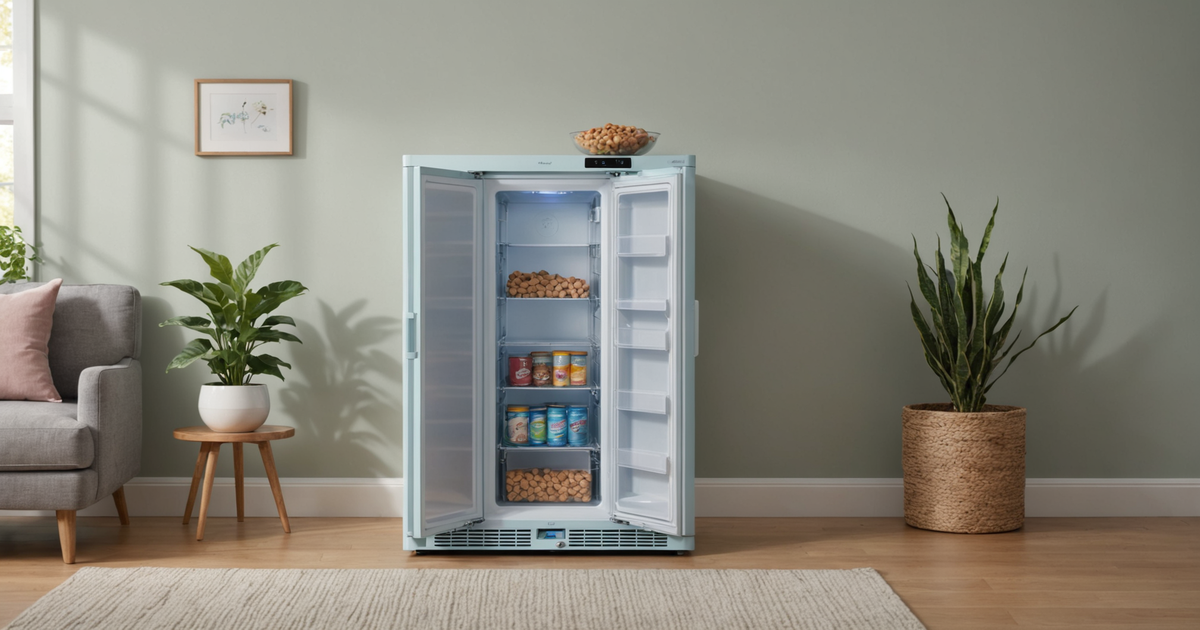
In the evolving landscape of pet care, ensuring the best nutrition for your canine companion is paramount. A growing trend among pet owners is the use of a dog food freezer to store frozen or freeze-dried food safely. This method not only preserves the nutritional integrity of the food but also extends its shelf life. In this blog post, we will explore what you need to know about dog food freezers, including their benefits, how to choose the right one, and tips for storing your pet’s food effectively. . For more detail, see official guidance.
The primary function of a dog food freezer is to maintain the freshness and nutritional value of dog food. Freeze-dried and frozen dog foods are becoming increasingly popular due to their convenience and health benefits. Such foods are designed to mimic a dog’s natural diet, often providing a more balanced nutritional profile compared to traditional kibble. According to the Pet Nutrition Alliance, ensuring a complete and balanced diet is crucial for your pet’s health. For more detail, see further information.
Preserves Nutritional Quality: Freezing locks in vital nutrients, ensuring that your dog receives the maximum benefit from their diet. The World Small Animal Veterinary Association (WSAVA) recommends maintaining the nutritional integrity of pet foods, which can be effectively achieved through proper storage. For more detail, see planning resources.
Reduces Waste: A dedicated dog food freezer allows you to buy in bulk, reducing packaging waste and frequent trips to the pet store. For more detail, see local insights.
Prevents Spoilage: Frozen storage prevents the growth of bacteria and mould, which can spoil food and pose health risks to your pet.
Convenience: Having a variety of meals ready in the freezer means you’ll always have a healthy option available, even if you’re running low on fresh supplies.
When selecting a dog food freezer, several factors should be considered to ensure you make a suitable choice for your needs and those of your furry friend.
Consider the amount of food you plan to store. A small freezer might suffice for a single dog, but a larger unit may be necessary for households with multiple pets or those who prefer to stock up on bulk purchases. For instance, if you’re purchasing large quantities of freeze-dried beef liver treats, you’ll need enough space to accommodate these products.
An energy-efficient freezer is not only environmentally friendly but also cost-effective. Look for models with energy star ratings to minimise electricity consumption.
Consistent temperature control is crucial for preserving the quality of the food. Ensure the freezer can maintain a stable temperature even in fluctuating ambient conditions.
Some freezers come with features like adjustable shelves, fast-freeze compartments, and digital temperature displays. These can add convenience and enhance the usability of the appliance.
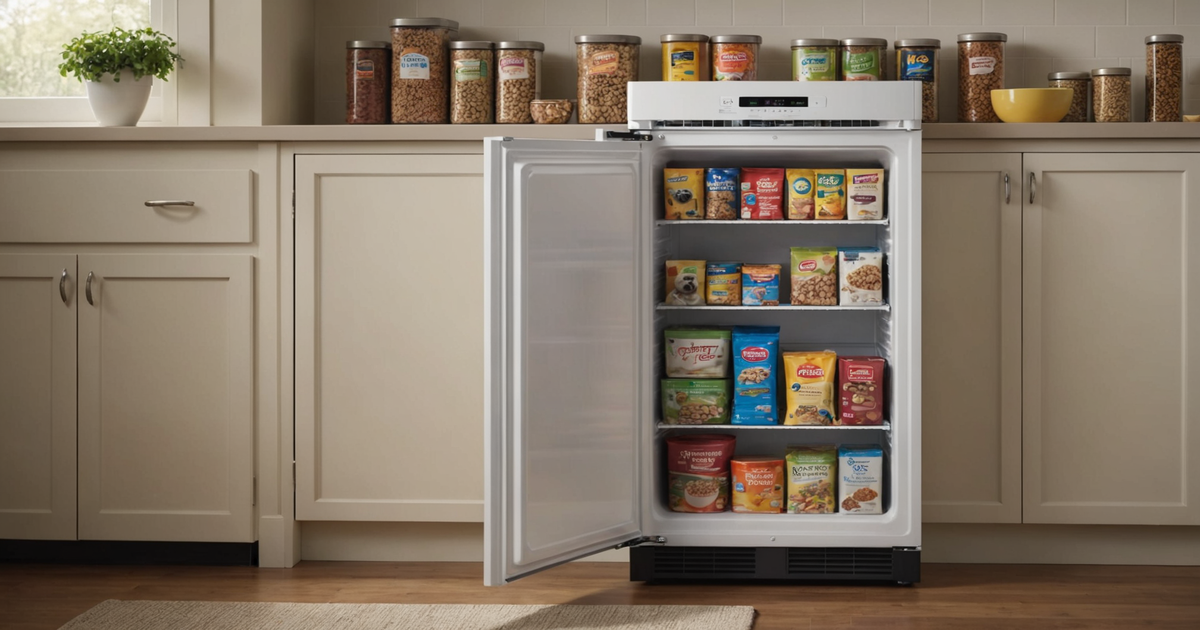
Proper storage is key to maintaining the quality and safety of your dog’s food. Here are some tips to help you store frozen dog food effectively:
Ensure food is stored in airtight containers or vacuum-sealed bags to prevent freezer burn and contamination. Proper packaging also helps retain the flavour and aroma of the food.
Always label the containers with the date of freezing and contents. This practice will help you keep track of food freshness and rotate stock efficiently.
Regularly check the freezer’s temperature to ensure it remains at the optimal level for food preservation. A temperature of -18°C (0°F) is generally recommended for long-term storage.
When it comes time to feed your dog, thaw the food safely by transferring it to the refrigerator 24 hours before serving. Avoid thawing at room temperature to prevent bacterial growth.
Investing in a dog food freezer is a wise decision for any pet owner looking to enhance the dietary health of their dog. By preserving the nutritional quality and extending the shelf life of your pet’s food, you ensure that your dog receives the best possible nutrition, every meal. Whether you’re storing freeze-dried chicken treats or bulk purchases of salmon toppers, a dedicated freezer can make all the difference.
Freeze-dried dog food retains most of its nutrients and flavour, providing a wholesome and delicious meal for your pet. This form of food also has a longer shelf life and is easy to store.
Consider the size, energy efficiency, temperature control, and additional features like adjustable shelves when choosing a dog food freezer.
Frozen dog food can offer superior nutritional benefits compared to kibble, as it often contains fewer preservatives and artificial additives, aligning with the American Kennel Club’s recommendations for natural feeding.
Yes, homemade dog food can be stored in a freezer. Ensure it is properly packaged in airtight containers to prevent freezer burn and maintain its quality.
Most dog foods can be safely frozen for 6 to 12 months. However, always check the manufacturer’s guidelines for specific storage recommendations.
Thaw frozen dog food in the refrigerator 24 hours before use. This method is safe and prevents the growth of harmful bacteria.
While there are no freezers specifically marketed for dog food, any high-quality freezer with suitable features can be used for this purpose.
Yes, pet treats, such as freeze-dried liver dog treats, can also be stored in the freezer to maintain their freshness and flavour.