
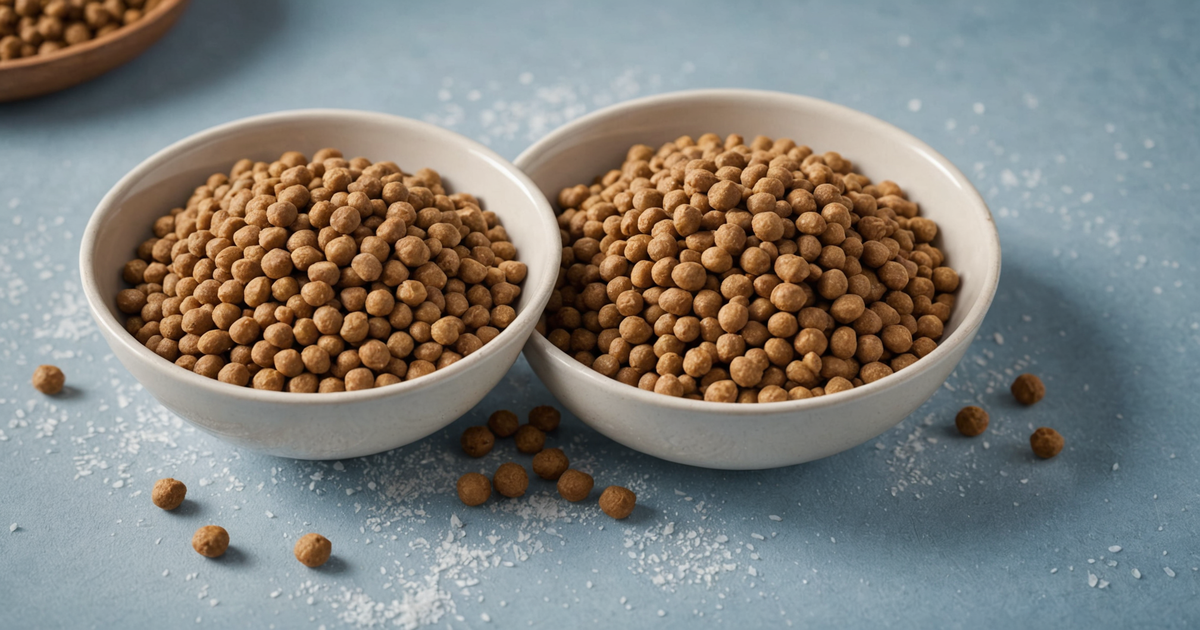
Pet Fresh dog food has become a popular choice among pet owners who prioritise high-quality, nutritious meals for their furry companions. However, as with any fresh product, concerns about storage and preservation arise. One of the most common questions is: Can you freeze Pet Fresh dog food? This blog post will explore the feasibility of freezing Pet Fresh dog food, the effects on its nutritional value and texture, and best practices for doing so. We’ll also address some frequently asked questions about storing and feeding Pet Fresh dog food to ensure your pet receives the best care possible. For more detail, see further information.
Pet Fresh dog food is renowned for its use of high-quality, minimally processed ingredients. Unlike traditional kibble, it often contains fresh meats, vegetables, and grains, offering a diet closer to what dogs might eat in the wild. This type of food is typically kept in the refrigerator to maintain its freshness. However, refrigerator storage limits its shelf life, prompting pet owners to consider freezing as an alternative. For more detail, see planning resources.
The simple answer is yes, you can freeze Pet Fresh dog food. Freezing is a practical method to extend the shelf life of fresh dog food, allowing you to buy in bulk and reduce waste. When done correctly, freezing preserves the nutritional content and safety of the food, albeit with some changes to its texture.
One of the primary concerns when freezing any type of food is the potential loss of nutrients. Fortunately, freezing Pet Fresh dog food does not significantly degrade its nutritional value. According to the American Veterinary Medical Association, the freezing process helps maintain the integrity of vitamins, minerals, and other essential nutrients. This ensures that your dog continues to receive a balanced diet even after the food has been frozen.
While freezing maintains nutritional value, it can alter the texture of Pet Fresh dog food. Fresh dog food tends to have a softer, more palatable consistency, which may change once frozen and thawed. The food might become a bit mushier, which can affect its appeal to some dogs. However, many dogs adapt to this change without issue.

To ensure the best results when freezing Pet Fresh dog food, follow these guidelines:
Portion Control: Divide the dog food into meal-sized portions before freezing. This makes it easier to thaw only what you need, reducing waste and maintaining freshness.
Use Airtight Containers: Store the portions in airtight containers or heavy-duty freezer bags. This prevents freezer burn, which can compromise flavour and texture.
Label and Date: Clearly label each container with the contents and the date it was frozen. This helps you keep track of how long the food has been stored.
Thaw Safely: When it’s time to feed your dog, thaw the food in the refrigerator rather than at room temperature. This prevents bacterial growth and ensures the food remains safe to eat.
Feed Promptly: Once thawed, feed the food to your dog within 2-3 days for maximum freshness.
Feeding your dog a fresh diet has numerous health benefits. According to the World Small Animal Veterinary Association, fresh dog food can improve digestion, enhance coat quality, and increase energy levels. Additionally, fresh ingredients are often more palatable, encouraging better eating habits and promoting overall well-being.
For more tips on maintaining a healthy diet for your dog, explore our product knowledge resources. These insights can help you make informed decisions about your pet’s nutrition and lifestyle.
Freezing Pet Fresh dog food is a viable option for pet owners seeking to extend the shelf life of their pet’s meals without compromising nutritional quality. By following best practices for freezing and thawing, you can ensure that your dog continues to enjoy the benefits of a fresh diet. As always, consult with your veterinarian if you have concerns about your dog’s dietary needs or if you’re considering significant changes to their diet.
1. Can freezing Pet Fresh dog food change its flavour?
While freezing might slightly alter the texture, it typically does not affect the flavour significantly. Most dogs will not notice a difference.
2. How long can I store Pet Fresh dog food in the freezer?
Pet Fresh dog food can be safely stored in the freezer for up to six months. Be sure to label and date your portions to track storage time.
3. Is it safe to refreeze Pet Fresh dog food once thawed?
It’s not recommended to refreeze thawed dog food, as this can lead to degradation of quality and potential bacterial growth.
4. Can I freeze homemade dog food in the same way?
Yes, the same principles apply to freezing homemade dog food. Ensure you use airtight containers and portion the food appropriately.
5. What are the signs of freezer burn in dog food?
Freezer burn appears as white, dry spots on the food. It can affect texture and taste, so it’s best to avoid serving freezer-burned portions.
6. Are there alternatives to freezing for preserving Pet Fresh dog food?
Refrigeration is an alternative for short-term storage. For longer preservation, consider freeze-dried dog foods, which retain nutrients and offer convenience.
7. Does freezing kill bacteria in dog food?
Freezing does not kill bacteria but rather halts their growth. This is why proper thawing and immediate feeding are crucial.
8. Where can I find more information on dog nutrition?
Visit our dog nutrition section for comprehensive guides and articles on maintaining your dog’s health and well-being.