
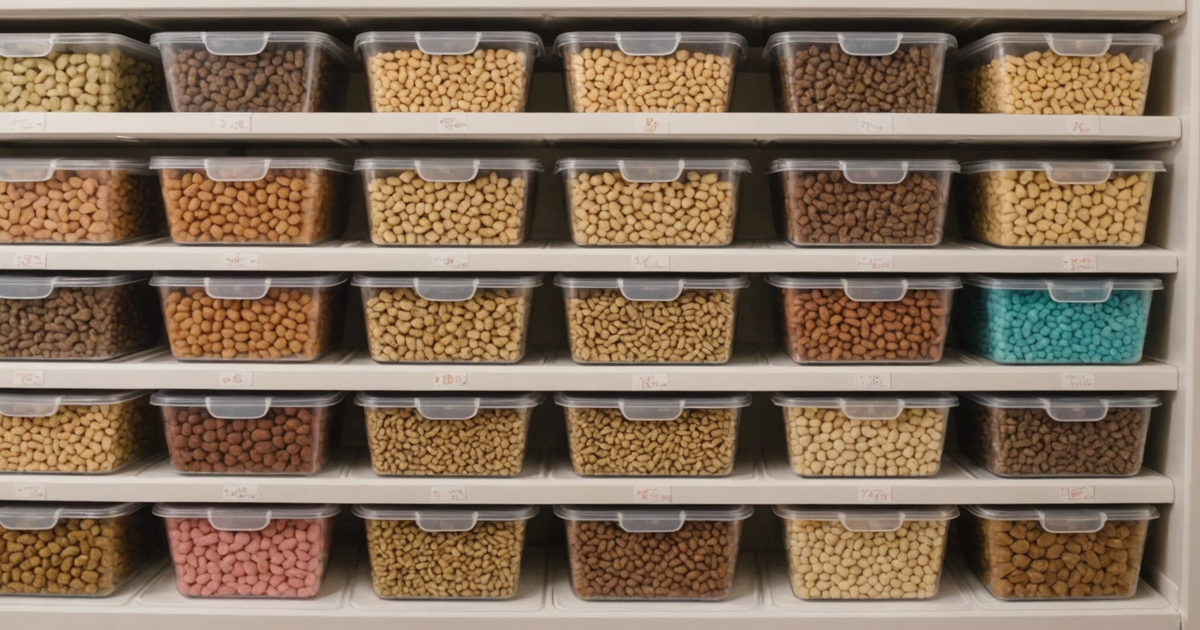
Fresh dog food has gained popularity among pet owners who prioritise nutrition and quality in their furry friends’ diets. However, a common concern that arises is whether you can freeze fresh dog food to maintain its freshness and nutritional value. In this comprehensive guide, we will explore whether you can freeze fresh dog food, how it affects the nutritional content, and the best practices for preserving the quality of your pet’s meals. For more detail, see official guidance.
The short answer is yes, you can freeze fresh dog food. Freezing is a commonly used method to extend the shelf life of perishable items, and dog food is no exception. By freezing, you can store fresh dog food for extended periods without compromising its safety. However, it’s essential to understand the correct techniques and potential impacts on nutritional quality and texture. For more detail, see further information.
Freezing works by lowering the temperature of food to inhibit the growth of bacteria and other pathogens. According to the FDA, freezing food can effectively preserve its safety and prevent spoilage. However, the process may affect certain nutrients and alter the texture of dog food. Proteins, fats, and some vitamins can degrade or change when frozen, which is why proper freezing methods are crucial. For more detail, see planning resources.
Freezing dog food can affect its nutritional content, depending on the duration and conditions of storage. For instance, prolonged freezing can lead to nutrient loss, particularly of water-soluble vitamins such as vitamin C and some B vitamins. To minimise nutrient degradation, it’s crucial to freeze dog food promptly and consume it within an appropriate timeframe. For further guidance on preserving nutrients, the World Small Animal Veterinary Association (WSAVA) offers insights into maintaining balanced nutrition for pets.
Portion Size: Divide the food into meal-sized portions before freezing. This approach not only makes thawing easier but also prevents waste.
Packaging: Use airtight containers or vacuum-sealed bags to minimise exposure to air, which can cause freezer burn and nutrient loss.
Labelling: Always label the containers with the date of freezing to keep track of storage time.
Thawing: Thaw frozen dog food in the refrigerator to maintain a safe temperature and prevent bacterial growth. Avoid leaving it on the counter or using hot water to speed up the process.
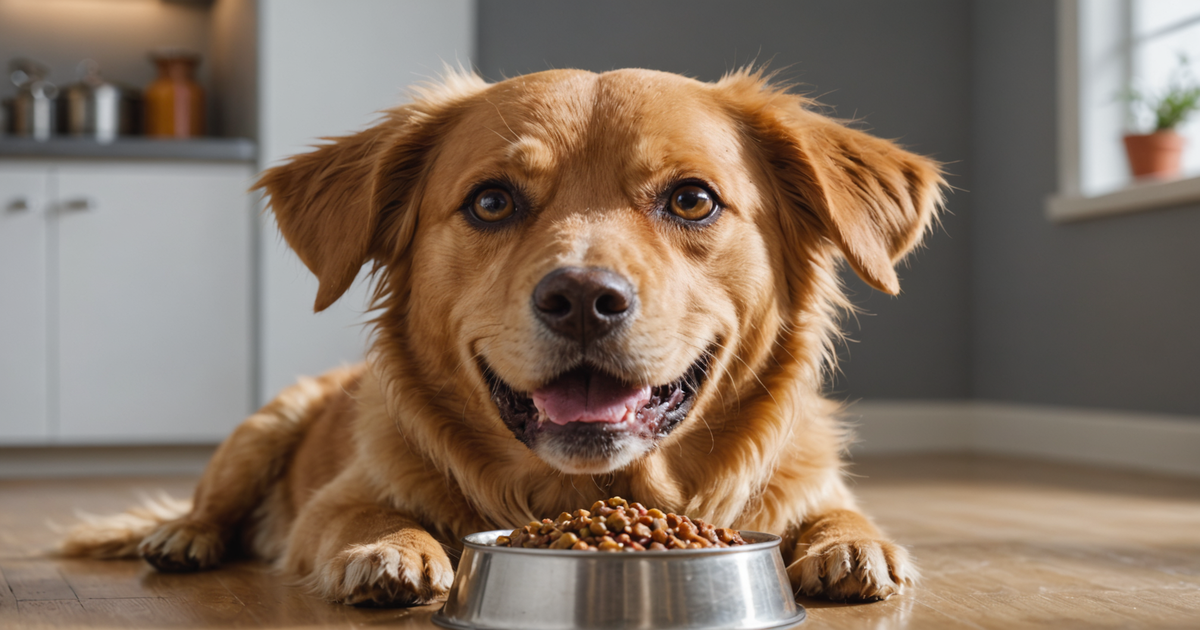
While freezing can extend the shelf life of dog food, it should ideally be consumed within three to six months for optimal quality. The Pet Nutrition Alliance recommends adhering to this timeframe to ensure that the food remains safe and nutritious for your pet.
In conclusion, freezing fresh dog food is a practical solution for extending its shelf life while retaining its nutritional value. By following proper freezing techniques and guidelines, you can ensure that your pet’s meals remain safe, nutritious, and delicious. Understanding the scientific aspects of freezing and the best practices involved can help you make informed decisions about your dog’s diet.
Yes, you can freeze fresh dog food, but some nutrient loss may occur, particularly for water-soluble vitamins. Using airtight packaging and consuming the food within three to six months can help minimise nutrient degradation.
Thaw frozen dog food in the refrigerator to maintain a safe temperature. Avoid leaving it out at room temperature or using hot water, as these methods can promote bacterial growth.
Yes, you can freeze homemade dog treats. For tips on making and preserving homemade treats, visit our homemade dog treats section.
Yes, dogs can enjoy freeze-dried fruits as occasional treats. Learn more about dogs having freeze-dried mango and freeze-dried strawberries.
Signs of spoilage include off smells, discolouration, and freezer burn. Always check the food before feeding it to your pet.
Consider freeze-drying as an alternative, which removes moisture while retaining nutrients. For more information, see our guide on freeze-drying pets.