
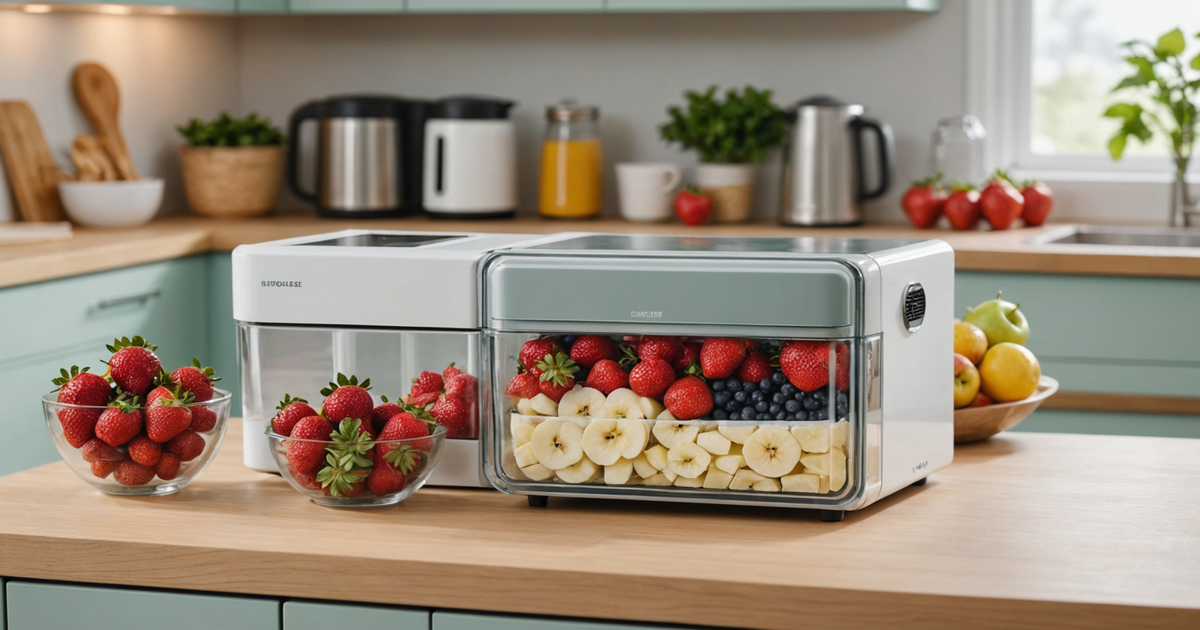
Freeze-drying is a popular method for preserving food, including meats, as it maintains nutritional value and prolongs shelf life without the need for refrigeration. For pet owners, particularly those who feed their animals raw diets, the question often arises: Can you freeze-dry raw meat safely? This technique offers a convenient way to provide high-quality nutrition without the hassle of daily fresh food preparation. In this comprehensive guide, we’ll explore the intricacies of freeze-drying raw meat and how to do it safely, ensuring that your pets receive the best care possible. For more detail, see official guidance.
Freeze-drying, also known as lyophilisation, is a dehydration process that removes moisture from food by freezing it and then reducing the surrounding pressure to allow the frozen water to sublimate directly from solid to gas. This method is highly effective for preserving raw meats as it retains the original structure, flavour, and nutritional content of the food. For more detail, see detailed advice.
Freeze-drying raw meat offers several advantages:. For more detail, see local insights.
Nutritional Integrity: Unlike other preservation methods, freeze-drying does not involve heat, which can degrade nutrients. This ensures that your pet receives the full benefits of the protein and other essential nutrients found in raw meat.
Extended Shelf Life: Freeze-dried raw meat can be stored for long periods without refrigeration. This is particularly beneficial for pet owners who buy in bulk or those who travel frequently with their pets.
Convenience: Freeze-dried meat is lightweight and easy to handle. It can be rehydrated quickly with water, making meal preparation simple and fast.
Safety: Properly freeze-dried meat minimizes the risk of bacterial contamination when prepared correctly, making it a safer option than storing raw meat in the fridge or freezer for extended periods.
To freeze-dry raw meat safely, the following steps should be observed:
Selection: Choose high-quality cuts of meat with minimal fat, as fat does not freeze-dry well and can lead to spoilage.
Preparation: Cut the meat into small, uniform pieces to ensure even drying. This also helps in quicker rehydration.
Freezing: Initially freeze the meat at very low temperatures to ensure the formation of ice crystals.
Sublimation: Place the frozen meat in a vacuum chamber where the pressure is reduced, allowing the ice to sublimate. This step is crucial as it removes moisture without turning the ice into liquid first.
Packaging: Store the freeze-dried meat in airtight containers with oxygen absorbers to prevent moisture ingress and preserve quality.
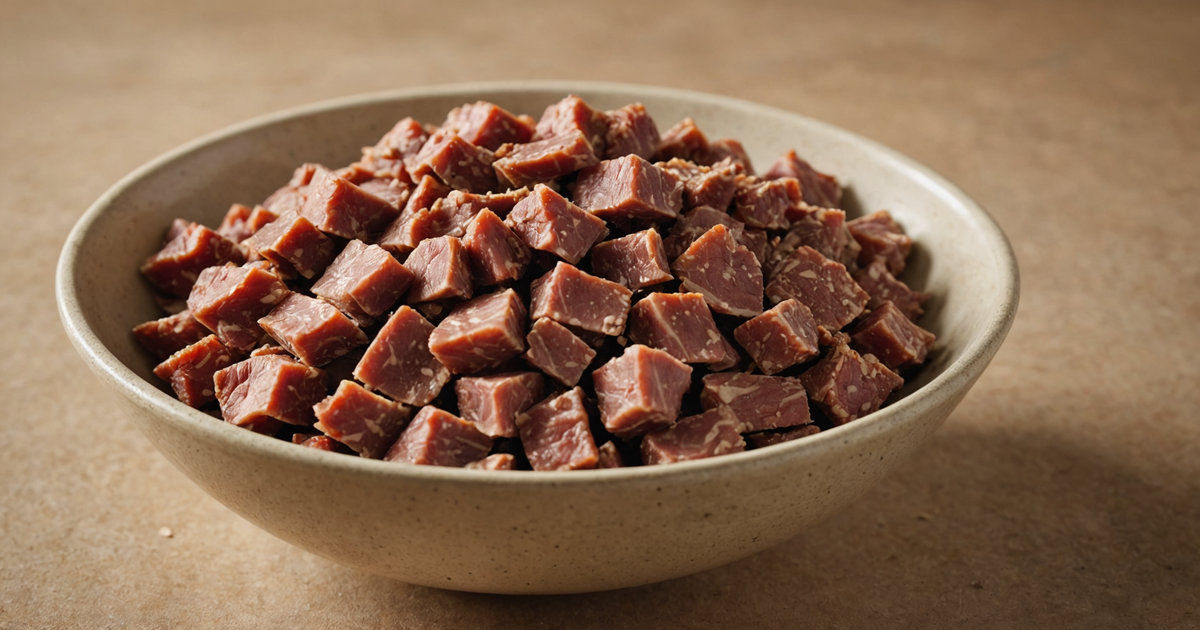
When handling raw meat, it’s vital to maintain strict hygiene standards. Always wash hands, utensils, and surfaces thoroughly to minimise the risk of bacteria such as Salmonella and E. coli. These pathogens can be harmful to both pets and humans.
Ensure that the meat used is fresh and from a reputable source. Check for any signs of spoilage before freeze-drying, such as off-smells or discoloration. Regularly inspect the freeze-dried product for any signs of moisture or mould, which can indicate compromised quality.
To serve freeze-dried raw meat to your pet, rehydrate it with warm water. This not only enhances the flavour but also ensures adequate hydration for your pet. Always follow the recommended water-to-meat ratio provided by the freeze-drying equipment manufacturer or pet food guidelines.
Freeze-drying raw meat is a safe and efficient method to provide your pets with high-quality, nutritious food. By understanding the freeze-drying process and adhering to safety protocols, pet owners can enjoy the convenience and peace of mind that comes with feeding their pets a balanced diet. Remember to always monitor your pet’s health and consult with a veterinary professional to ensure their nutritional needs are met.
Yes, you can freeze-dry raw meat at home using a home freeze-dryer. This allows you to control the quality and type of meat used, ensuring it meets your pet’s dietary needs.
When stored properly in airtight containers with oxygen absorbers, freeze-dried raw meat can last for several years. However, it’s best to check for any signs of spoilage regularly.
Freeze-drying is often preferred over methods like canning and dehydration because it retains the nutritional value and flavour of the food without the use of heat.
While freeze-dried raw meat can be suitable for many pets, it’s essential to ensure it meets your specific pet’s nutritional requirements. Consult with a vet for tailored advice.
Yes, many companies offer commercially freeze-dried raw meat products. For example, products like those reviewed in Stella & Chewy’s guide can be a good starting point for choosing the right option for your pet.
Rehydrate freeze-dried raw meat by adding warm water according to the manufacturer’s instructions. Typically, a 1:1 ratio of water to meat is a good starting point.
Signs of spoilage in freeze-dried meat include unusual odours, visible mould, and a change in texture. If any of these are present, it’s best to discard the product.
While freeze-dried meat can be part of a pet’s diet, it should be balanced with other nutrients. Refer to AAFCO guidelines to ensure a complete and balanced diet.