
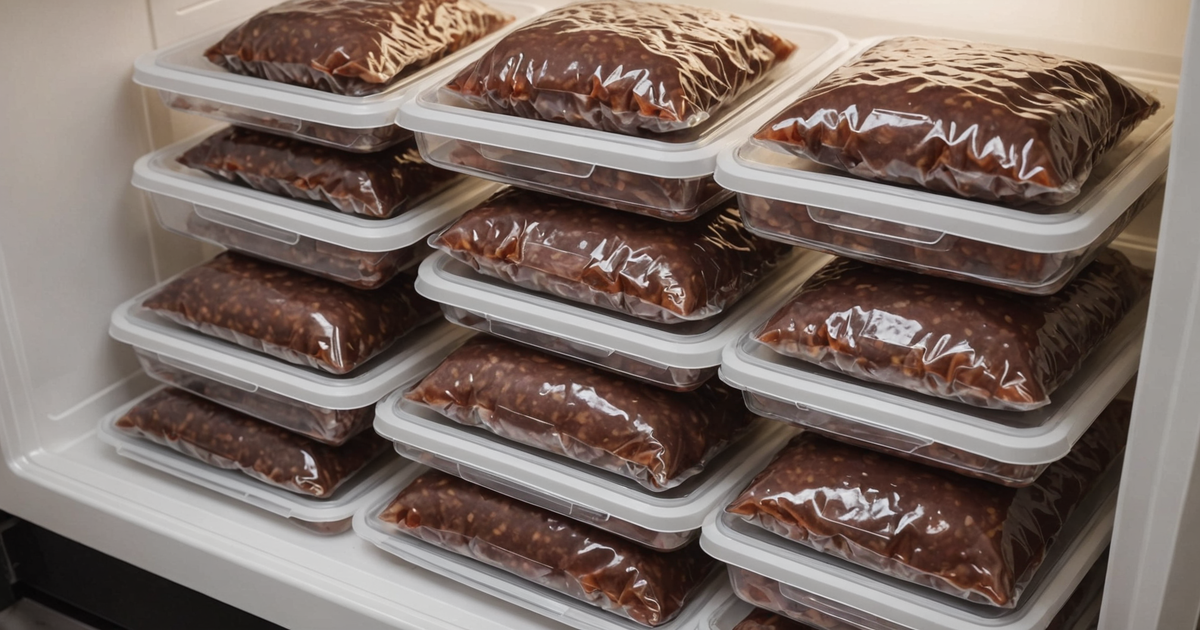
When it comes to storing and preserving food, especially meats, freezing is one of the most effective methods available. However, not all meats are created equal, and some require special attention due to their unique textures and nutritional content. Chicken liver is one such meat. In this blog post, we delve into the question: Can you freeze chicken liver? We will explore the process of freezing chicken liver, the benefits of doing so, and best practices for maintaining its quality and nutritional value. For more detail, see official guidance.
Chicken liver is a highly nutritious organ meat that is rich in protein, iron, and essential vitamins such as A, B12, and folate. It’s an excellent addition to both human and pet diets, contributing to overall health and well-being. However, due to its delicate texture and high moisture content, chicken liver can spoil quickly if not stored properly. . For more detail, see further information.
Freezing chicken liver helps to extend its shelf life, making it a convenient option for those who purchase in bulk or have extra liver on hand. But how does freezing affect the liver, and what steps should you take to ensure its quality is preserved? For more detail, see detailed advice.
Freezing chicken liver is a straightforward process, but it requires some care to maintain its taste and texture. Here are the steps you should follow:. For more detail, see planning resources.
Preparation: Before freezing, clean the liver thoroughly under cold running water to remove any debris or blood. Pat dry with a paper towel. For more detail, see local insights.
Portioning: Divide the liver into portions that you would typically use in one cooking session. This makes it easier to thaw only what you need.
Packaging: Use airtight containers or heavy-duty freezer bags. Remove as much air as possible to prevent freezer burn. Label each package with the date of freezing.
Freezing: Place the liver in the coldest part of your freezer. Chicken liver can be stored frozen for up to three months without significant loss of quality.
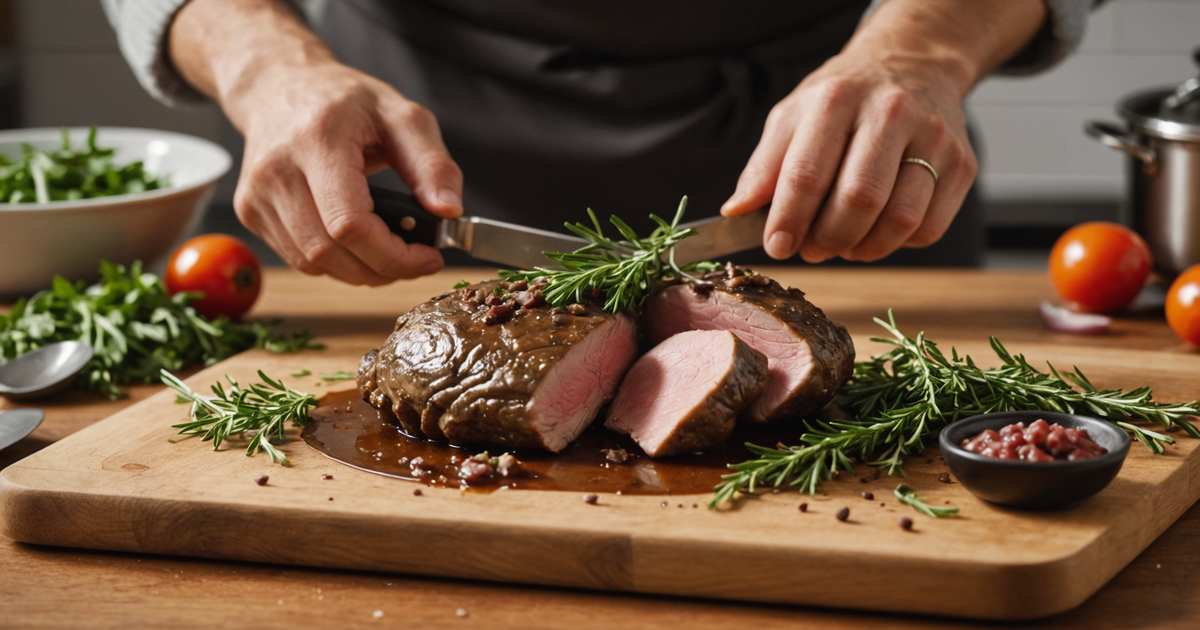
Proper thawing is crucial to preserving the texture and flavour of chicken liver. The best method is to transfer the liver from the freezer to the refrigerator the night before you plan to use it. This slow thawing process helps maintain the integrity of the meat.
If you’re short on time, you can use a cold water bath. Place the liver in a sealed bag and submerge it in cold water, changing the water every 30 minutes until thawed. Avoid using warm water as it can partially cook the liver, affecting its texture.
Once thawed, chicken liver can be cooked in a variety of ways. Whether you prefer it sautéed, grilled, or baked, ensure the internal temperature reaches at least 74°C (165°F) to ensure it is safe to eat.
Freezing chicken liver offers several advantages:
Extended Shelf Life: Freezing significantly prolongs the usability of chicken liver, reducing food waste.
Convenience: Having a supply of chicken liver on hand means you can easily incorporate it into meals or pet treats without frequent trips to the store.
Cost-Effectiveness: Buying chicken liver in bulk and freezing it can be more economical than purchasing fresh liver regularly.
For pet owners, incorporating freeze-dried liver treats into their pets’ diet can be a nutritious alternative. Our freeze-dried liver treats are ranked for their quality and nutritional benefits, offering a convenient option for pet nutrition.
To ensure that the quality of your frozen chicken liver remains high, consider the following tips:
Avoid Refreezing: Once thawed, chicken liver should not be refrozen. This can lead to significant degradation in texture and flavour.
Use Freezer Bags: While any airtight container can be used, freezer bags are particularly effective at preventing air exposure and freezer burn.
Check for Signs of Spoilage: Before cooking, examine the liver for any off-odours or unusual textures, as these can be signs of spoilage.
If you’re interested in learning more about freeze-drying methods and how they preserve nutrients, our article on how freeze-drying works provides an in-depth look.
In conclusion, yes, you can freeze chicken liver, and it is an excellent way to preserve this nutritious food, ensuring it remains safe and delicious for both human and pet consumption. By following the proper preparation, freezing, and thawing methods outlined in this post, you can enjoy the benefits of chicken liver without the worry of spoilage.
For pet owners looking to diversify their pet’s diet with nutrient-rich options, our freeze-dried meat snacks for dogs offer a convenient solution, packed with flavour and essential nutrients.
1. How long can chicken liver be frozen?
Chicken liver can be safely frozen for up to three months. Beyond this period, it may start to lose its quality, though it remains safe to eat if frozen consistently at 0°F (-18°C).
2. Can I freeze cooked chicken liver?
Yes, cooked chicken liver can also be frozen. Ensure it is cooled completely before freezing and follow the same packaging and labelling steps as with raw liver.
3. Is it safe to refreeze chicken liver?
It is not recommended to refreeze chicken liver once it has been thawed, as this can lead to texture and flavour degradation.
4. Can I use chicken liver that has developed freezer burn?
While freezer-burned chicken liver is safe to eat, it may have a dry texture and altered flavour. It’s best used in recipes where these changes won’t be noticeable.
5. What are the nutritional benefits of chicken liver for pets?
Chicken liver is rich in essential nutrients such as vitamin A, iron, and protein, making it an excellent addition to a balanced pet diet. For more on pet nutrition, check the Pet Nutrition Alliance resources.
6. Are there alternatives to freezing for preserving chicken liver?
Yes, freeze-drying is another method that retains nutrients effectively. Explore our guide on freeze-dried raw cat food for more insights.
7. What is the best way to incorporate chicken liver into a pet’s diet?
Chicken liver can be served cooked as part of a homemade meal or as a treat. It should always be prepared without seasonings or additives that could be harmful to pets. For more information, see the AAFCO guidelines on pet nutrition.
8. How do I know if my chicken liver has gone bad?
Signs of spoilage include a strong, unpleasant odour, discoloration, or a slimy texture. If you notice any of these, it’s best to discard the liver for safety reasons.