
Freeze-drying is a remarkable preservation method that allows food to retain its original flavour, texture, and nutritional value for extended periods. This process involves removing moisture from food while it is frozen, resulting in lightweight, shelf-stable products. With the advent of home freeze-dryers, more and more people are exploring the best foods to freeze dry at home, offering convenience and reducing food waste. In this guide, we’ll explore some of the best foods you can freeze dry at home and explain how this method preserves flavours. For more detail, see official guidance.
Fruits are among the most popular foods to freeze dry due to their natural sweetness and nutritional benefits. They make for an excellent snack and are perfect for adding to cereals, yoghurts, and baked goods. For more detail, see further information.
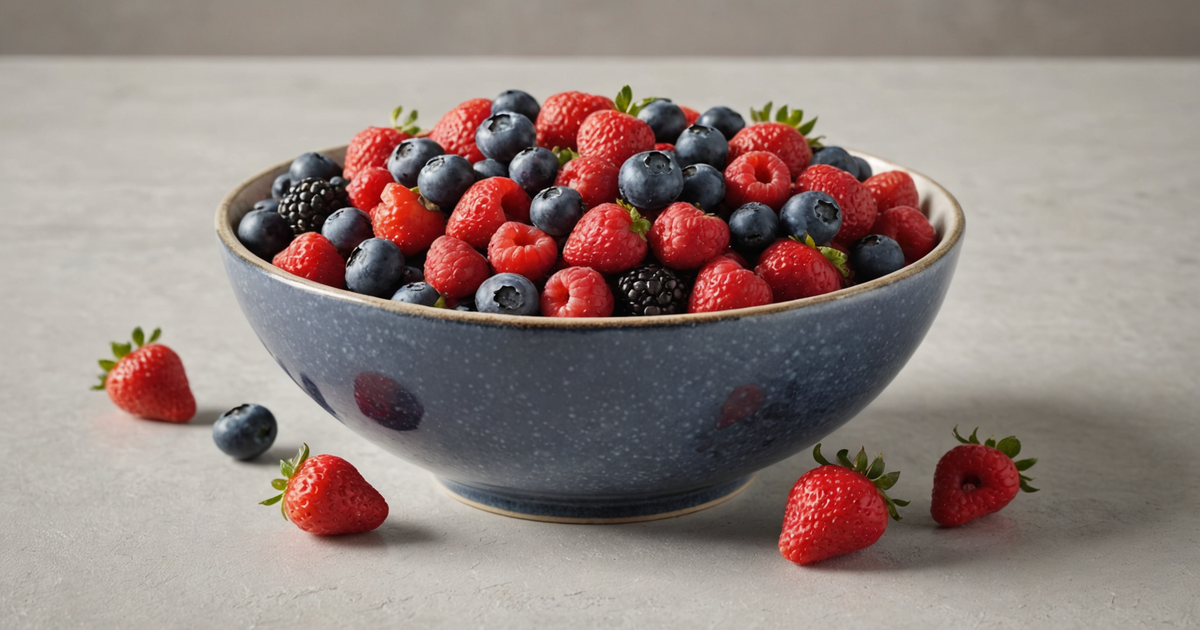
Berries such as strawberries, blueberries, and raspberries are rich in antioxidants and freeze dry beautifully. They retain their vibrant colours and tart flavours, making them ideal for snacking or adding to desserts. When freeze-dried, berries become crunchy and are perfect for making pet treats. For more detail, see planning resources.
Apples are another fantastic candidate for freeze-drying. They maintain their crisp texture and sweet taste, making them a satisfying snack on their own. Freeze-dried apples can also be rehydrated for use in pies and sauces.
Freeze-dried bananas are a popular choice for their intense sweetness and portability. They are perfect for hiking or as a quick energy boost. Their long shelf life makes them a pantry staple.
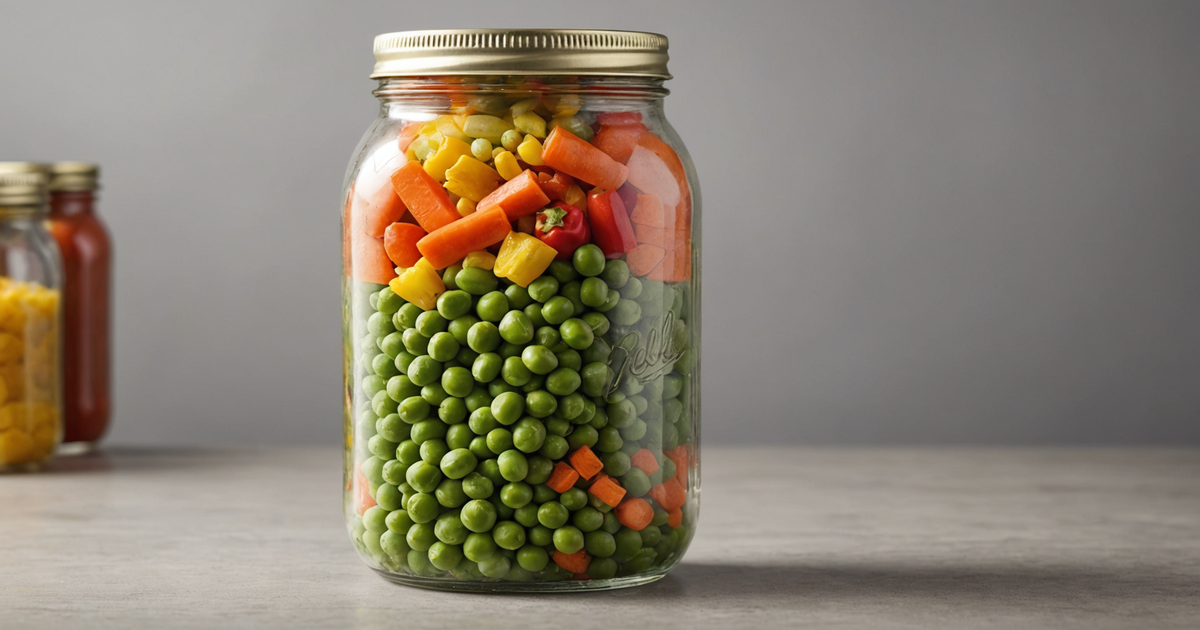
Vegetables might not be the first thing that comes to mind when thinking about freeze-drying, but they are incredibly versatile and retain much of their nutritional content.
These vegetables are often found in freeze-dried camping meals due to their sweetness and ability to rehydrate well. They make excellent additions to soups, stews, and casseroles.
Carrots freeze dry well and can be used in a variety of dishes. They are perfect for adding to soups and salads or even as a healthy snack.
Freeze-drying proteins is a fantastic way to preserve meats and dairy, ensuring you have a steady supply of essential nutrients.
These meats can be freeze-dried to create lightweight, long-lasting meals. They are ideal for outdoor adventures or emergency preparedness. When rehydrated, freeze-dried chicken and beef retain much of their original texture and flavour.
Freeze-dried eggs are convenient for camping trips and are a stable protein source. They can be rehydrated for use in omelettes or baking.
Freeze-dried fish, like salmon, keeps its rich flavour and oil content, making it a nutritious option. For those seeking pet food alternatives, freeze-dried salmon treats are a great option for dogs.
Dairy products, such as milk and cheese, are also suitable for freeze-drying, providing a reliable source of calcium and other nutrients.
Freeze-dried cheese is ideal for adding to pasta dishes or pizzas. It retains its flavour and can be easily rehydrated.
Powdered milk made through freeze-drying is a staple in many households. It can be reconstituted with water and used just like fresh milk.
Herbs and spices can lose their potency over time, but freeze-drying locks in their flavours, making them a valuable addition to your spice rack.
These herbs maintain their vibrant colours and flavours, making them perfect for seasoning dishes.
Freeze-dried chillies retain their heat and can be used to spice up any meal.
Freeze-drying is an impressive culinary technique that allows you to preserve a wide variety of foods at home, ensuring you have access to nutritious and flavourful ingredients year-round. From fruits and vegetables to proteins and dairy, the best foods to freeze dry offer an array of options for culinary creativity and convenience. Whether you’re an outdoor enthusiast or simply looking to reduce food waste, freeze-drying is a practical and rewarding endeavour.
Freeze-drying food retains the original flavour, colour, and nutritional value while extending shelf life. It’s lightweight and easy to store, making it ideal for long-term storage and outdoor activities.
While it is technically possible to freeze dry food at home without a machine, the process is complex and time-consuming. Home freeze-dryers simplify the process and ensure consistent results.
When properly stored in airtight containers, freeze-dried foods can last for 25 years or more, making them an excellent option for emergency preparedness and long-term storage.
Some foods, like high-fat items (e.g., butter) and sugary foods (e.g., honey), do not freeze dry well. These items may not rehydrate properly or retain their original texture and flavour.
Rehydrating freeze-dried foods typically involves adding water and allowing the food to absorb the moisture. The time and amount of water required vary depending on the food item.
Freeze-drying offers several advantages over other methods, such as canning or dehydrating. It better preserves nutritional content, flavour, and texture, making it a preferred option for many.
Yes, freeze-drying is a popular method for preserving pet food. Many pet owners choose freeze-dried pet treats for their convenience and nutritional benefits.
For more information on pet nutrition, you can explore resources from reputable organisations such as the American Association of Feed Control Officials (AAFCO) and the World Small Animal Veterinary Association (WSAVA).