
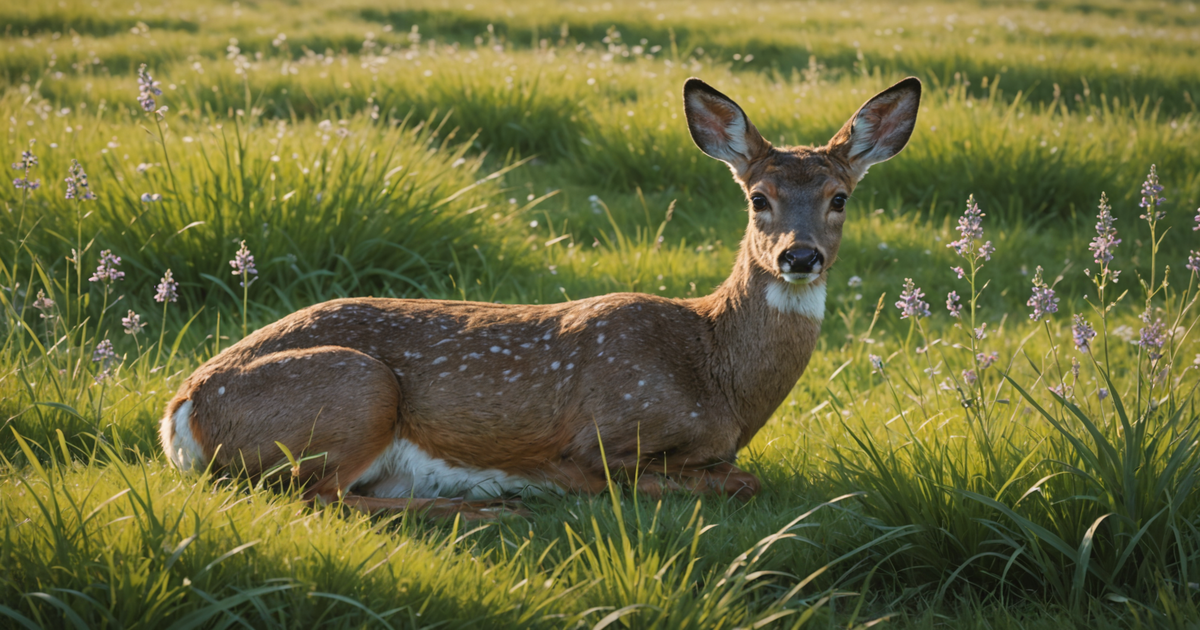
In the intricate tapestry of animal behaviour, the term “animal freeze” holds a significant place. Often discussed in the context of survival mechanisms, “animal freeze” refers to a specific response exhibited by various animals when faced with a threat. This behaviour is part of the “fight, flight, or freeze” response, which is pivotal in understanding how animals, including humans, react to stressors. In this comprehensive guide, we will delve into what “animal freeze” refers to, its implications, and its relevance in both wild and domestic scenarios. . For more detail, see official guidance.
The “animal freeze” response is a natural instinct that can be observed across a wide range of species. When animals perceive a threat, they can react by fighting, fleeing, or freezing. The freeze response involves an animal becoming motionless, often as a means to avoid detection by predators. This behaviour is particularly prevalent in prey species, which rely on remaining undetected to enhance their chances of survival. . For more detail, see further information.
The freeze response is a complex interplay of neurological and physiological processes. When an animal detects danger, its brain triggers a cascade of hormonal changes, leading to an increase in adrenaline and cortisol. These hormones prepare the body for immediate action. In the case of freezing, the animal’s body becomes tense, its heart rate slows, and it remains perfectly still to blend into its surroundings. . For more detail, see planning resources.
While the freeze response is most commonly associated with wild animals, it is also observed in domestic pets. Understanding this behaviour is crucial for pet owners and trainers, especially when addressing anxiety or fear-related issues in dogs and cats. For instance, a dog might freeze when encountering a new, intimidating situation, such as the presence of a larger dog or loud noises. . For more detail, see local insights.
Pet owners can manage freeze responses through training and positive reinforcement. It is essential to create a safe and supportive environment to help the pet overcome its fears. Using freeze-dried raw cat food as a reward can be an effective strategy, as these treats are both nutritious and enticing. For dogs, freeze-dried salmon dog food could serve as a healthy incentive during training sessions.
The freeze response, while beneficial in the wild, can have different implications in domestic settings. It is important for pet owners to distinguish between a normal freeze response and one that indicates stress or anxiety. Chronic stress responses in pets can lead to health issues and behavioural problems if not addressed.
Nutrition plays a pivotal role in managing stress in pets. A balanced diet, as recommended by the WSAVA Global Nutrition Guidelines, can support overall health and well-being, potentially reducing the frequency of freeze responses. For example, complete and balanced pet food is essential for maintaining a pet’s physical and mental health.
The “animal freeze” response is a fascinating aspect of animal behaviour, offering insights into survival mechanisms in the wild and behavioural patterns in domestic settings. Understanding this response helps pet owners and trainers create better living conditions and training environments for their animals. By recognising and addressing freeze responses appropriately, we can enhance the welfare of our pets and ensure their comfort and happiness.
1. What triggers the animal freeze response?
The animal freeze response is typically triggered by the perception of a threat. This could be a predator in the wild or an intimidating situation for domestic pets.
2. How can I help my pet if it frequently exhibits freeze responses?
Creating a safe environment and using positive reinforcement with training treats can help. Consulting with a veterinarian or animal behaviourist may also be beneficial.
3. Is the freeze response harmful to pets?
While the freeze response itself isn’t harmful, frequent occurrences may indicate stress or anxiety, which could lead to health issues if not addressed.
4. Can diet influence stress levels in pets?
Yes, a balanced diet can greatly influence a pet’s stress levels. Pet nutrition guidelines recommend complete and balanced diets to support overall health.
5. Are there specific foods that can help reduce anxiety in pets?
Certain foods, such as freeze-dried tuna treats, might help due to their high protein content and palatability, helping to calm pets during stressful situations.
6. What is the difference between the freeze response and other stress responses?
The freeze response involves the animal becoming motionless, whereas fight and flight involve active responses to threats. Each response is part of the body’s survival mechanism.
7. How can I tell if my dog’s freezing is a normal behaviour or a sign of anxiety?
Observing the context and frequency is crucial. If freezing occurs frequently in non-threatening situations, it might be a sign of anxiety, warranting professional advice.
8. Is the freeze response the same for all animals?
While the basic mechanism is similar, the specifics of the freeze response can vary between species, depending on their environment and evolutionary adaptations.