
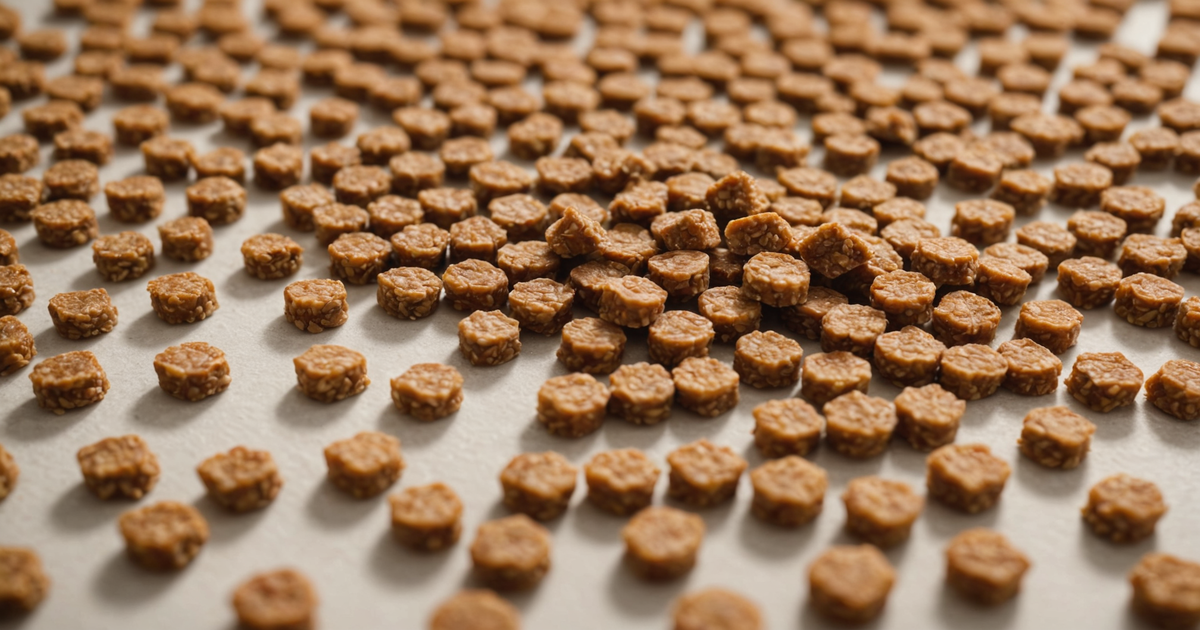
As pet owners increasingly prioritise the quality of their dogs’ diets, alternative feeding options like air dried and freeze dried dog food have gained popularity. Both methods offer unique benefits by preserving the nutritional integrity of raw ingredients while enhancing convenience and shelf life. However, the choice between air dried vs freeze dried dog food can be perplexing. In this comprehensive guide, we will explore the key differences, benefits, and potential drawbacks of these two drying techniques, helping you make an informed decision for your furry companion. For more detail, see official guidance.
Air drying is an age-old preservation technique that removes moisture from food using gentle air circulation. This method dries the food slowly at low temperatures, thus preserving essential nutrients. For more detail, see further information.
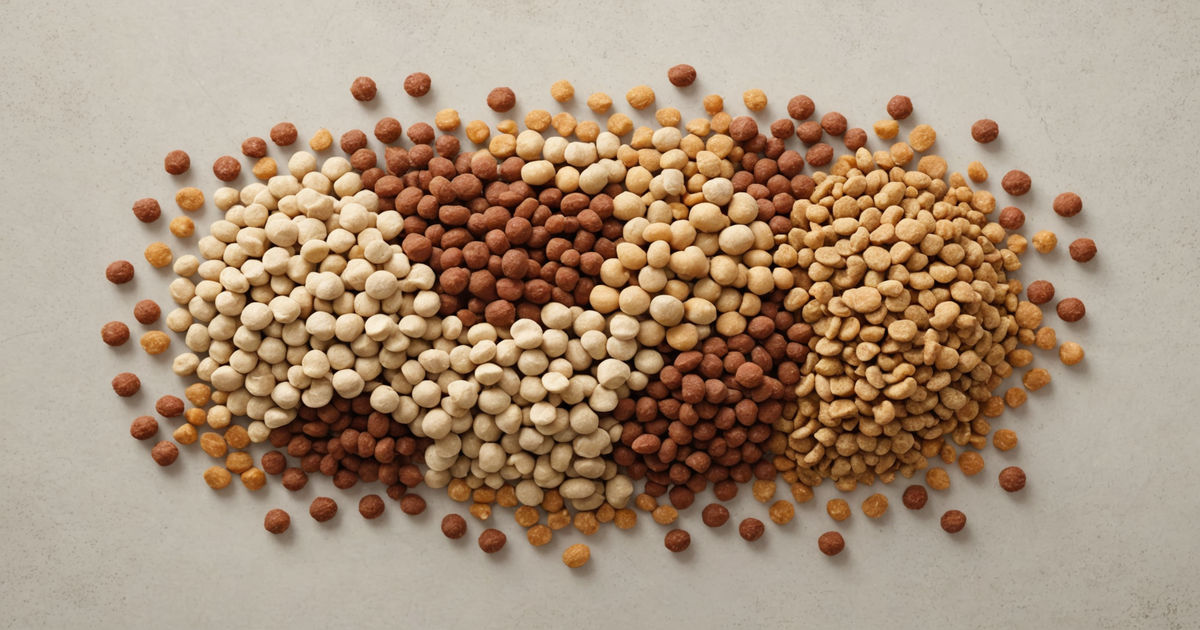 . For more detail, see local insights.
Freeze drying is a modern preservation technique that involves freezing the food at very low temperatures and then removing the moisture through sublimation. This process retains the food’s original structure and nutritional content.
Both air dried and freeze dried dog foods are excellent choices for preserving nutrients. However, freeze drying tends to be slightly more effective in nutrient retention due to its rapid and low-temperature process. For more on how these foods stack against traditional options, see this guide on freeze dried raw dog food.
While air dried dog food can be served directly from the bag, freeze dried options usually require rehydration. This can be a deciding factor for pet owners seeking convenience. Learn more about other pet care options to complement your dog’s diet.
Both food types are highly palatable, making them suitable for picky eaters. The texture and aroma of air dried food often appeal to dogs accustomed to kibble, while freeze dried food can offer a raw-like experience once rehydrated.
Both options are premium products, often reflected in their cost. Freeze dried food is generally more available in various formulations, while air dried food might be limited to certain brands and recipes.
Choosing between air dried vs freeze dried dog food ultimately depends on your specific needs and preferences. Both options offer significant nutritional benefits over traditional kibble, with freeze dried food slightly edging out in nutrient retention and air dried food in convenience. Understanding these differences will help you provide a balanced and nutritious diet for your pet, ensuring their health and happiness.
1. Can I mix air dried and freeze dried dog food?
Yes, mixing both can provide a varied diet and balance the benefits of each type. It is important to ensure the combination meets your dog’s nutritional needs.
2. Is freeze dried dog food safe for puppies?
Freeze dried dog food is safe for puppies if it meets the nutritional requirements outlined by organisations like AAFCO.
3. How should I store air dried dog food?
Air dried dog food should be stored in a cool, dry place in its original packaging or an airtight container to maintain freshness.
4. Do air dried and freeze dried dog foods contain preservatives?
Both types generally contain fewer preservatives than kibble due to their drying processes. Always check the label for specific ingredients.
5. Are these foods suitable for dogs with allergies?
Both air dried and freeze dried foods often come in single-protein formulas, which can be beneficial for dogs with allergies. Consult with a vet for specific dietary advice.
6. How do I transition from kibble to air dried or freeze dried food?
Gradually introduce the new food by mixing it with your dog’s current diet over 7-10 days, increasing the proportion of new food daily.
7. Which drying method retains more flavour?
Both methods are effective in preserving the natural flavours of raw ingredients, but freeze drying generally retains more flavour due to the rapid moisture removal process.
For more on dog nutrition and health, visit the dog health section of our website.