
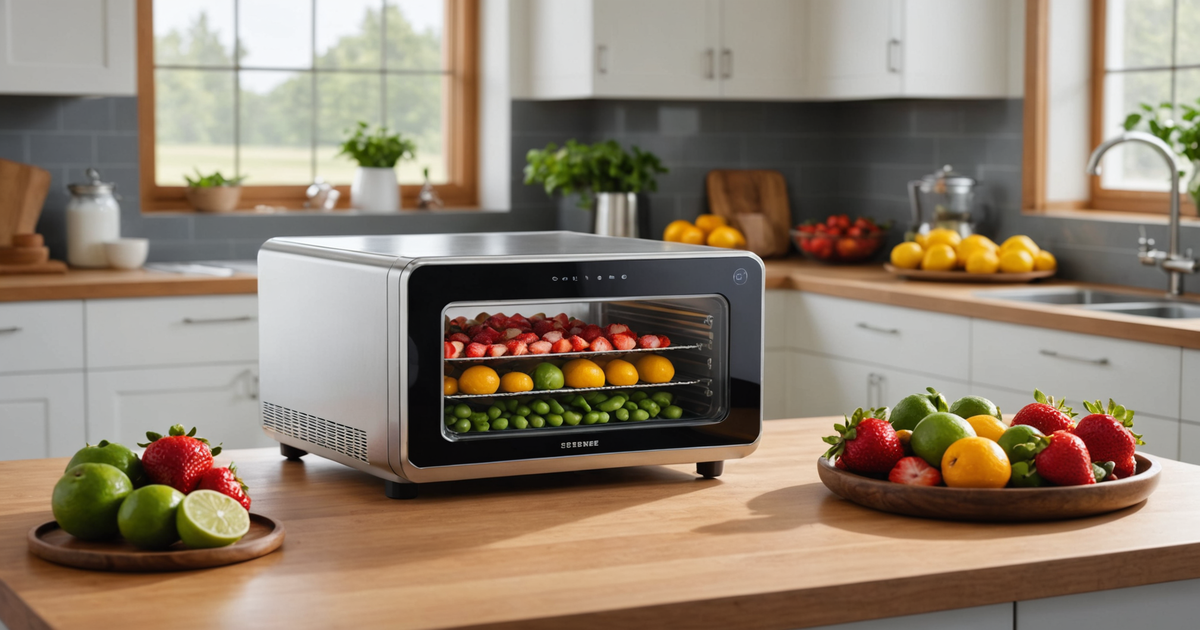
In the world of feline nutrition, freeze-dried cat food is becoming an increasingly popular choice among pet owners. Its convenience, nutritional value, and long shelf life make it an attractive option. However, the concept of cooked freeze-dried cat food might raise questions for some. Is it beneficial for your cat? How does it differ from traditional options? This guide delves into the details of cooked freeze-dried cat food, exploring its benefits, preparation methods, and how to select the best option for your feline companion. . For more detail, see official guidance.
Freeze-drying is a preservation technique that removes moisture from food, extending its shelf life without the need for refrigeration. This process retains most of the food’s nutrients, making it a nutrient-dense option for cats. However, raw freeze-dried food can sometimes pose a risk of bacteria, which is where cooked freeze-dried cat food comes into play. By cooking the food before freeze-drying, manufacturers aim to eliminate harmful pathogens while maintaining nutritional integrity. For more detail, see further information.
Nutritional Value: Cooked freeze-dried cat food retains essential nutrients such as proteins, vitamins, and minerals. The cooking process helps in breaking down certain ingredients, making them easier for cats to digest. For more detail, see planning resources.
Safety: Cooking before freeze-drying reduces the risk of bacterial contamination. This is particularly important for households with vulnerable individuals such as young children or elderly people. For more detail, see local insights.
Convenience: These foods are lightweight, easy to store, and have a long shelf life. They can be quickly rehydrated, providing a fresh meal for your cat with minimal preparation time.
Quality Ingredients: Many cooked freeze-dried cat foods are made with high-quality ingredients, often including a variety of meats, organs, and sometimes vegetables, designed to mimic a cat’s natural diet.
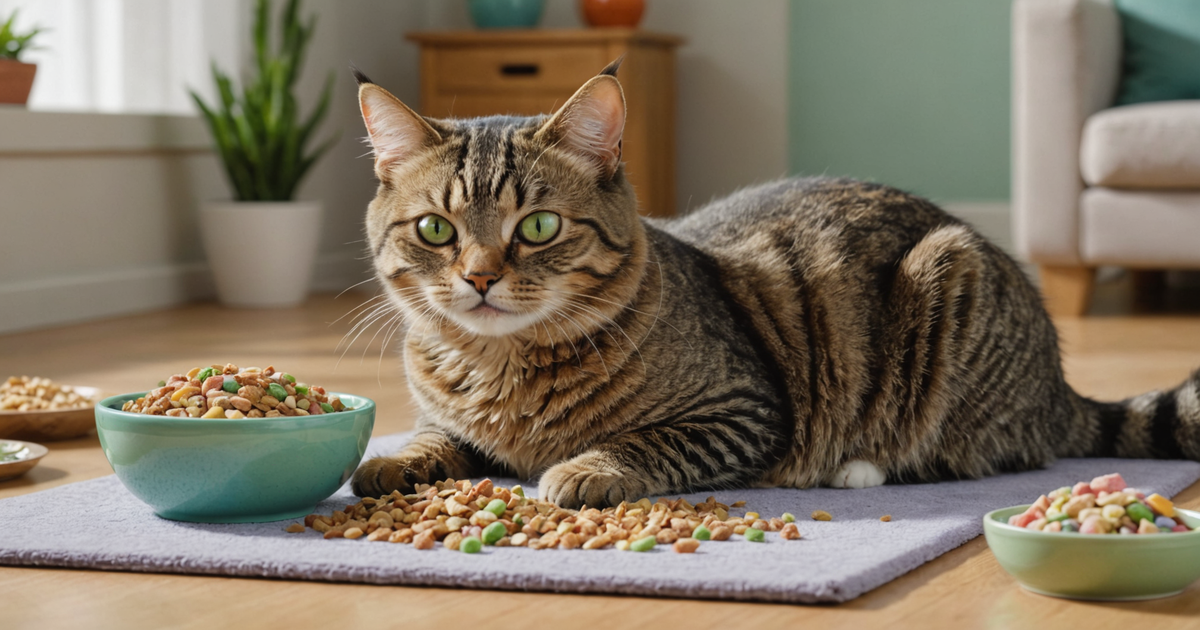
Preparation is straightforward, but it’s crucial to follow guidelines to ensure your cat receives all the benefits. Here’s a step-by-step guide:
Read the Instructions: Always read the manufacturer’s instructions for rehydration and serving sizes. Different brands might have specific requirements.
Rehydrate Properly: Use warm water to rehydrate the food. This not only makes it more palatable but also ensures your cat gets adequate moisture intake, which is essential for their health.
Mixing and Serving: After rehydrating, mix the food thoroughly to ensure even distribution of nutrients. Serve it fresh, and avoid leaving it out for extended periods to prevent spoilage.
Storage: Keep the freeze-dried food in a cool, dry place. Once opened, ensure the packaging is sealed tightly to maintain freshness.
For those interested in the nutritional value of such diets, resources like the Pet Nutrition Alliance provide insights into balanced pet diets.
Selecting the right product involves considering several factors:
Ingredient Quality: Look for foods with high-quality, natural ingredients. Avoid products with artificial preservatives or fillers.
Nutritional Adequacy: Ensure the food meets the nutritional standards set by the AAFCO, which defines the necessary nutrients for different life stages of cats.
Reputable Brands: Opt for brands with good reviews and a track record of quality. You can read reviews like the Orijen Freeze-Dried Dog Treat Review for insights into freeze-dried product quality.
Special Dietary Needs: If your cat has specific health conditions, consult a veterinarian to choose a product that meets their dietary needs.
Cooked freeze-dried cat food offers a convenient, nutritious, and safe option for feeding your feline friend. By understanding the benefits and proper preparation methods, you can ensure that your cat enjoys meals that are both tasty and beneficial to their health. As always, consult with a veterinarian or pet nutritionist if you have questions about your cat’s diet.
1. What is the difference between raw and cooked freeze-dried cat food?
Raw freeze-dried cat food is preserved without cooking, retaining natural enzymes and nutrients, but may carry bacteria. Cooked freeze-dried food is heat-treated before freeze-drying, reducing bacterial risks.
2. How do I store cooked freeze-dried cat food after opening?
Keep it in a cool, dry place with the packaging tightly sealed to maintain freshness and prevent moisture exposure.
3. Can I mix freeze-dried cat food with other types of cat food?
Yes, you can mix it with wet or dry food to enhance nutritional value and taste, but ensure ingredients are compatible with your cat’s dietary needs.
4. Is cooked freeze-dried cat food suitable for kittens?
Always consult with a veterinarian before feeding kittens freeze-dried food, as they have specific nutritional requirements.
5. How often should I feed my cat freeze-dried food?
This depends on your cat’s dietary needs and health condition. Consult your veterinarian for tailored advice.
6. Are there any risks with cooked freeze-dried cat food?
While generally safe, always ensure it’s properly rehydrated and stored to avoid spoilage and ensure adequate moisture intake.
7. Where can I find more information about pet nutrition?
For comprehensive guidance, explore the WSAVA Global Nutrition Guidelines which provide thorough insights into pet nutrition.
8. What should I do if my cat refuses to eat the freeze-dried food?
Try different rehydration techniques or brands. If refusal persists, consult a veterinarian to rule out health issues.