
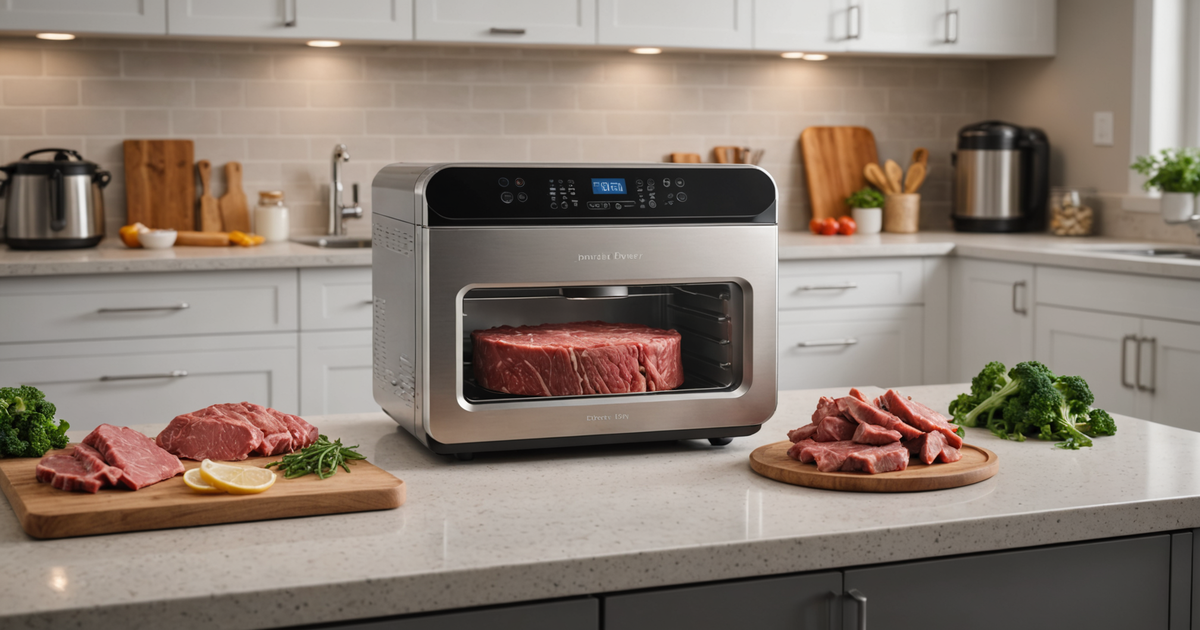
In recent years, freeze-drying has emerged as a popular method for preserving a variety of foods, including meats, fruits, and vegetables. But can you freeze-dry beef at home? This question intrigues many culinary enthusiasts and pet owners alike. Freeze-drying, a process that removes moisture from food while retaining its nutritional value, is especially beneficial for long-term storage and preparing lightweight meals for outdoor adventures. In this comprehensive guide, we’ll explore the possibility of freeze-drying beef at home, delve into the methods available, and discuss the benefits and considerations of this preservation technique. For more detail, see official guidance.
Freeze-drying, or lyophilisation, is a preservation method that involves freezing the product and then reducing the surrounding pressure to allow the frozen water in the food to sublimate directly from the solid phase to the gas phase. This process effectively removes moisture, which inhibits the growth of bacteria and mould, thereby extending the shelf life of the food. It’s a technique widely used for commercial purposes, particularly in the pet food industry, as seen in products like freeze-dried dog food. For more detail, see further information.
Freeze-drying beef at home can offer several advantages:. For more detail, see detailed advice.
Nutritional Preservation: Unlike other preservation methods, freeze-drying retains most of the nutritional content of the beef, making it an excellent option for health-conscious individuals and pets alike.
Extended Shelf Life: Freeze-dried beef can last for years when stored properly, providing a reliable food source for emergencies or outdoor activities. For more detail, see planning resources.
Lightweight and Convenient: The process significantly reduces the weight of the beef, making it ideal for hiking, camping, or any activity where carrying heavy food isn’t practical. For more detail, see local insights.
Versatility: Freeze-dried beef can be rehydrated and used in various dishes, offering flexibility in meal preparation.
Yes, you can freeze-dry beef at home, although it requires some specialised equipment and a bit of patience. The most effective way to freeze-dry beef at home is by using a home freeze-dryer. These machines have become more accessible to consumers and can be a worthwhile investment for those who frequently freeze-dry food.
Home freeze-dryers are designed to replicate the commercial freeze-drying process. Here’s a step-by-step guide to using one:
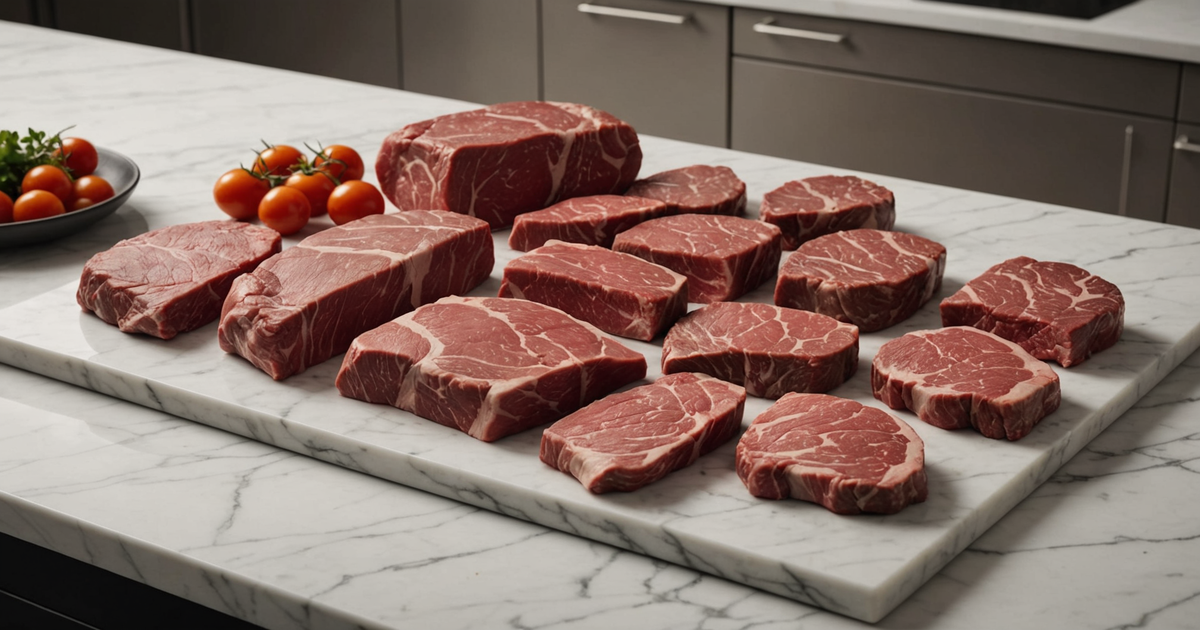
Preparation: Begin by selecting high-quality beef. Trim excess fat as it doesn’t freeze-dry well. Slice the beef into thin, uniform pieces to ensure even drying.
Freezing: Place the beef slices on the freeze-dryer trays, ensuring they do not overlap. Pre-freeze the beef in a conventional freezer to speed up the process in the freeze-dryer.
Freeze-Drying: Load the pre-frozen beef into the freeze-dryer. The machine will create a vacuum, lower the temperature, and gradually remove moisture from the beef. This process can take anywhere from 20 to 40 hours, depending on the machine and the thickness of the beef slices.
Storage: Once the freeze-drying process is complete, store the beef in airtight containers or vacuum-sealed bags to protect it from moisture and spoilage.
For those without a home freeze-dryer, there are alternative methods, though they may not be as effective or efficient:
Dry Ice Method: This involves using dry ice to freeze the beef rapidly before allowing it to sublimate. However, this method can be hazardous and challenging to control.
Freezer Method: Simply using a freezer, albeit less effective, can partially freeze-dry small quantities of beef over several weeks.
While these methods can be attempted, they are often less reliable and may not achieve the same quality as a dedicated freeze-dryer.
Cost: The initial investment in a home freeze-dryer can be substantial. However, for frequent users, the long-term savings and benefits can outweigh the costs.
Space and Time: Freeze-drying requires significant space and time investment, as the process is lengthy and the equipment can be bulky.
Experimentation: Different cuts of beef may yield varying results, so some experimentation may be necessary to achieve the desired texture and taste.
Freeze-drying beef at home is indeed possible and offers numerous benefits, especially for those who enjoy outdoor activities or wish to prepare long-lasting emergency food supplies. While the process requires an initial investment in a home freeze-dryer, the advantages of nutritional preservation, extended shelf life, and convenience make it an appealing option for many. As with any preservation method, it’s essential to consider the costs, space, and time involved. For pet owners, freeze-dried beef can also be a nutritious treat or supplement to their pet’s diet, as discussed in our guide on freeze-dried meat snacks for pets.
While it’s possible to attempt freeze-drying without a freeze-dryer using methods like the dry ice or freezer method, these techniques are less effective and can be challenging to manage.
When stored properly in airtight containers, freeze-dried beef can last for many years, often up to 25 years.
Yes, freeze-dried beef can be a healthy and safe treat for pets. It’s essential to ensure the beef is of high quality and free from additives. For more information, check out our guide on freeze-dried dog food.
Absolutely. Freeze-dried beef can be rehydrated by adding water. This makes it versatile for cooking and meal preparation.
Freeze-drying retains more nutrients compared to methods like canning or dehydrating. It also results in a lighter product that’s easy to transport and store.
The primary cost is the purchase of a home freeze-dryer, which can be expensive. However, the long-term benefits and savings on preserved food can justify the initial investment.
Freeze-drying preserves most of the nutrients in beef, making it comparable to fresh beef. However, some vitamin loss may occur during the process. For more on pet nutrition, the WSAVA Global Nutrition Toolkit provides valuable insights.