
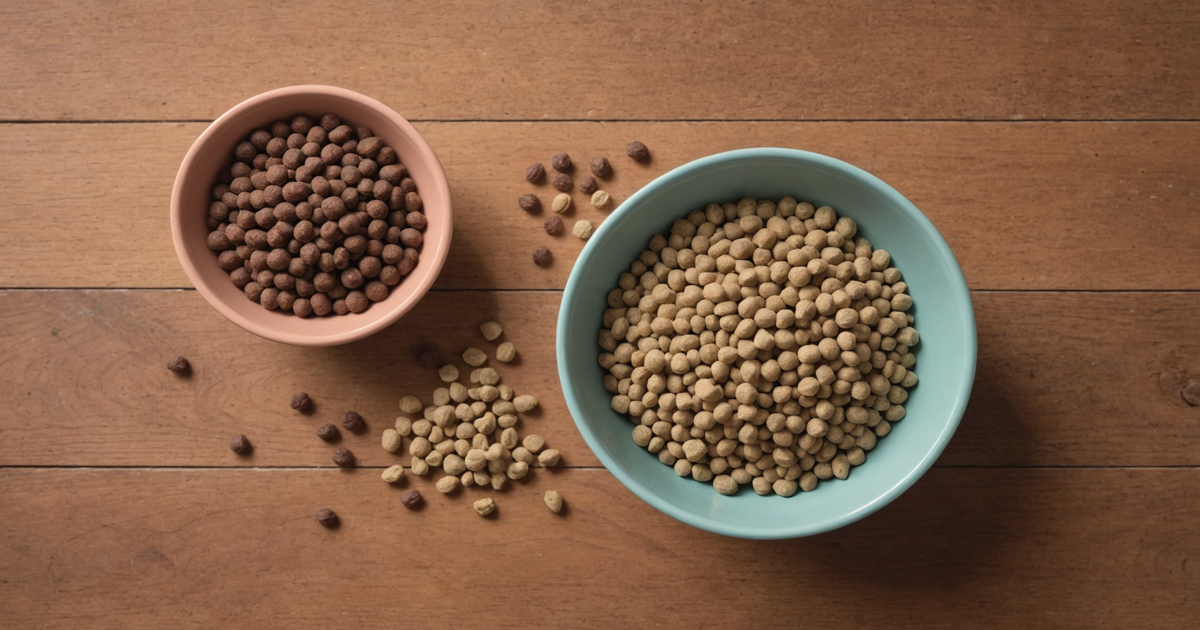
In the world of pet nutrition, the debate between freeze-dried dog food and traditional kibble continues to spark interest among pet owners. With an increasing number of dog owners seeking healthier and more natural options for their pets, the question arises: is freeze-dried dog food better than kibble? This article delves into the nutritional benefits, convenience, cost, and health implications of both food types, helping you make an informed decision for your furry friend. For more detail, see official guidance.
Freeze-dried dog food is often lauded for its nutritional integrity. The freeze-drying process involves removing moisture from raw ingredients, which helps retain the original nutrients, flavours, and aromas of the food. As a result, freeze-dried food can offer a rich source of proteins, vitamins, and minerals. For more detail, see further information.
According to the Pet Nutrition Alliance, a balanced diet is crucial for a pet’s health. Freeze-dried dog food often contains whole meats, organs, and bones, providing a diet closer to what a dog would naturally consume. This can lead to benefits such as improved digestion, healthier skin and coat, and increased energy levels. For more detail, see detailed advice.
In contrast, kibble is cooked at high temperatures, which can degrade some of the nutrients. However, many kibble products are fortified with vitamins and minerals to meet the nutritional standards set by organisations like the AAFCO. While kibble can be a convenient and complete diet, it may not have the same appeal or nutritional density as freeze-dried options. For more detail, see planning resources.
One of the primary advantages of kibble is its convenience. It is easy to store, has a long shelf life, and doesn’t require any preparation. This makes it an attractive option for busy pet owners. Kibble is also typically more affordable than freeze-dried options, making it accessible for a wide range of budgets. For more detail, see local insights.
On the other hand, freeze-dried dog food requires rehydration before feeding, which can be a slight inconvenience for some. However, the process is relatively straightforward and can be easily incorporated into a daily routine. Freeze-dried food is lightweight and compact, making it ideal for travel or outdoor adventures with your pet. 
Cost is another crucial factor when choosing between freeze-dried dog food and kibble. Freeze-dried options are generally more expensive due to the complex process and high-quality ingredients used. However, many pet owners believe the health benefits justify the price.
Kibble remains a cost-effective choice, especially for those with large dogs or multiple pets. With a wide variety of brands and formulations available, it’s possible to find a kibble that suits both your budget and your dog’s nutritional needs.
When it comes to health, both freeze-dried food and kibble have their pros and cons. Freeze-dried dog food is often linked to improved digestion and a shinier coat, thanks to its natural ingredients and lack of fillers or preservatives. Additionally, it can be an excellent option for dogs with food sensitivities or allergies, as many brands offer limited-ingredient formulas.
However, it’s important to ensure that the freeze-dried food you choose meets the complete and balanced pet food requirements. Not all freeze-dried options are formulated to provide a complete diet, so supplementation may be necessary.
Kibble, on the other hand, is formulated to provide a complete and balanced diet. It can also be beneficial for dental health, as the crunchy texture can help reduce plaque build-up. Yet, the presence of fillers and artificial additives in some kibble brands can lead to weight gain or digestive issues in sensitive dogs.
The choice between freeze-dried dog food and kibble ultimately depends on your dog’s specific needs, your lifestyle, and budget. While freeze-dried options offer superior nutritional benefits and appeal to many pet owners seeking a more natural diet, kibble provides convenience and affordability. It’s essential to consult with a veterinarian or a pet nutritionist to ensure your dog’s diet meets their health requirements.
For more insights into high-quality dog food options, check out our Freeze Max Freeze Dried Range and explore our Dog Food Guides.
Yes, freeze-dried dog food is typically raw. The freeze-drying process removes moisture from raw ingredients while preserving their nutritional integrity.
Mixing freeze-dried food with kibble is possible and can enhance the nutritional value of your dog’s meal. Ensure both foods are compatible and meet your dog’s dietary needs.
Freeze-dried dog food should be stored in a cool, dry place in an airtight container to maintain freshness and prevent moisture exposure.
Freeze-dried food generally has a long shelf life due to the removal of moisture. However, once opened, it should be used within a recommended time frame to ensure quality.
Freeze-dried dog food can be suitable for puppies, but it’s important to choose a formula that meets the nutritional needs of growing dogs. Consult with your veterinarian for specific recommendations.
While freeze-dried dog food is generally safe, it’s crucial to ensure it meets AAFCO standards for a complete diet. Some freeze-dried foods may require supplementation.
Transitioning should be gradual to prevent digestive upset. Start by mixing a small amount of freeze-dried food with their regular kibble, gradually increasing the proportion over a week or more.
For more information on pet nutrition, visit the American Kennel Club’s guide on choosing the right ingredients for homemade dog food.