
The world of pet nutrition is ever-evolving, with freeze-dried pet food gaining significant popularity among pet owners. As a method that preserves the nutritional integrity of raw ingredients while offering convenience, freeze-drying is becoming a preferred choice for many. In this comprehensive overview of freeze-dried pet food, we will delve into what freeze-dried diets entail, their benefits, potential downsides, and how they compare to other pet food options. Whether you’re considering transitioning your pet to a freeze-dried diet or simply seeking to broaden your understanding of pet nutrition, this guide aims to provide you with the necessary insights. For more detail, see official guidance.
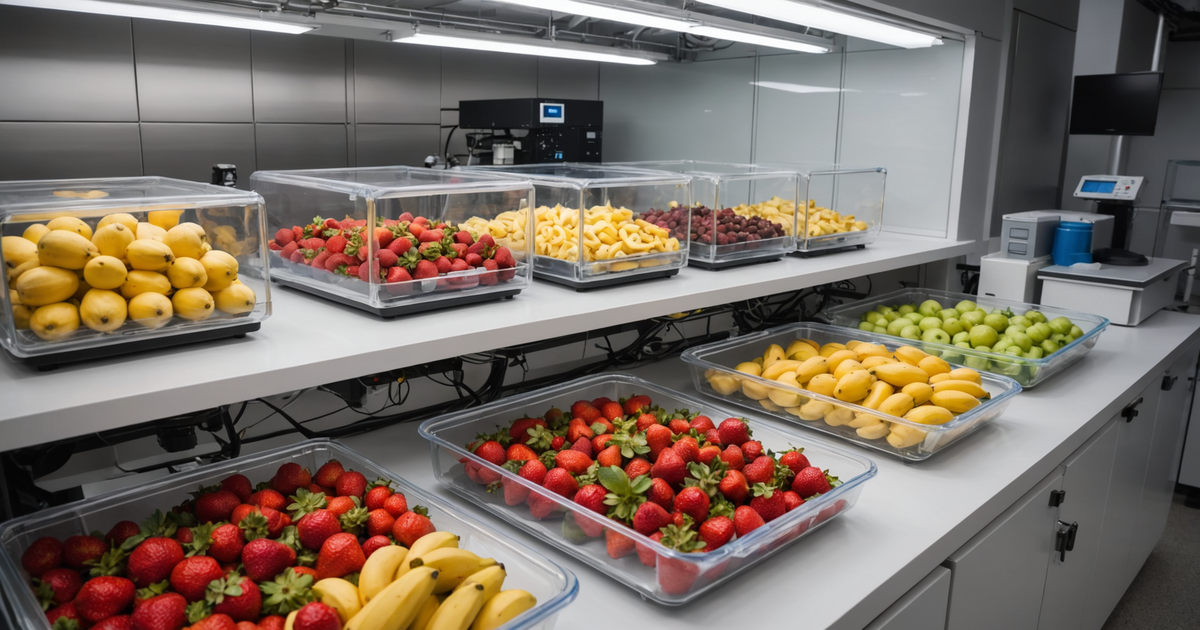
Freeze-drying is a process that involves removing moisture from food by freezing it and then reducing the surrounding pressure to allow the frozen water in the food to sublimate directly from the solid to the gas phase. This method preserves the nutritional content and flavour of the food, making it an attractive option for pet owners who wish to feed their pets a diet that closely resembles a natural, raw diet. . For more detail, see further information.
One of the primary advantages of freeze-dried pet food is its ability to maintain the nutritional integrity of the raw ingredients. Unlike traditional pet foods that are cooked at high temperatures, which can degrade nutrients, freeze-drying preserves vitamins, minerals, and enzymes. This means your pet benefits from a nutrient-rich diet that supports overall health and wellbeing. For more detail, see local insights.
Freeze-dried pet food offers the convenience of shelf-stable storage and ease of preparation. Unlike raw food diets that require refrigeration, freeze-dried foods can be stored at room temperature, making them ideal for busy pet owners or those with limited freezer space. Preparation is often as simple as adding water to rehydrate the food, making mealtime quick and straightforward.
Pets often find freeze-dried foods highly palatable. The process of freeze-drying enhances the natural flavours of the ingredients, making it an enticing option for fussy eaters. Whether it’s freeze-dried chicken or venison, pets are likely to enjoy their meals.
While freeze-dried pet food offers numerous benefits, there are potential drawbacks to consider.
Freeze-dried pet food tends to be more expensive than traditional kibble or canned foods. The intricate process of freeze-drying, coupled with the use of high-quality ingredients, contributes to the higher price point. Pet owners should evaluate their budget to ensure that a freeze-dried diet is financially sustainable.
Although rehydration is a simple process, it does require additional time and effort compared to serving dry kibble. Pet owners need to ensure they have access to clean water for rehydrating the food, which is essential for maintaining the hydration levels of their pets.
In some regions, finding a variety of freeze-dried pet food options may be challenging. While the market is growing, it may still be limited compared to traditional pet food options. This could impact the variety of diets available for pets with specific dietary needs.
When considering a freeze-dried diet, it’s essential to compare it with other common options such as kibble, canned food, and raw diets.
Kibble is the most widely available and affordable option. However, its production involves cooking at high temperatures, which can degrade nutrients. Freeze-dried food, while more expensive, retains more of the original nutrients and flavours, making it a more natural choice.
Canned food contains high moisture content, which can be beneficial for hydration. However, like kibble, it is cooked, which may reduce its nutritional value. Freeze-dried food offers a similar convenience with the added benefit of nutritional integrity.
Raw diets are praised for their nutritional benefits but can pose risks of bacterial contamination. Freeze-dried food provides similar nutritional benefits without the same level of risk, as the freeze-drying process helps to eliminate pathogens.
Freeze-dried pet food offers a compelling blend of convenience, nutritional integrity, and palatability. While it presents some challenges, such as cost and the need for rehydration, it remains a viable option for pet owners seeking to provide a diet that closely mimics the natural diet of pets. As with any dietary decision, consulting with a veterinarian and considering the specific needs of your pet is crucial.
For pet owners interested in exploring the best options for freeze-dried dog food, consider reading our best freeze-dried dog food ranked article for detailed reviews and recommendations.
Freeze-dried pet food is made by removing moisture from raw ingredients through a process that involves freezing the food and then reducing the pressure to allow the water content to sublimate. This preserves the food’s nutritional value and flavour.
Yes, freeze-dried food is generally safe for pets when sourced from reputable brands. The freeze-drying process reduces the risk of bacterial contamination, making it a safer alternative to raw diets.
Transitioning to a freeze-dried diet should be gradual. Begin by mixing small amounts of freeze-dried food with your pet’s current diet, gradually increasing the amount over 7–10 days while monitoring for any adverse reactions.
Yes, you can feed your pet exclusively freeze-dried food as long as it is complete and balanced. It’s essential to choose products that meet the AAFCO nutrient profiles to ensure they provide all necessary nutrients.
To rehydrate, simply add warm water to the freeze-dried food and allow it to absorb for a few minutes. The amount of water and time required will vary by brand, so it’s best to follow the manufacturer’s instructions.
While freeze-dried food is generally safe, there is a risk of feeding an unbalanced diet if the product does not meet AAFCO standards. Always ensure the food is complete and balanced and consult a veterinarian if you have concerns.
Popular freeze-dried treats for cats include freeze-dried shrimp and freeze-dried egg yolk, both offering a nutritious and tasty option for your feline friend.
Freeze-dried pet food should be stored in a cool, dry place in an airtight container to maintain its freshness. Once opened, it’s important to use the product within the recommended timeframe to ensure quality.