

In recent years, the pet food industry has seen a surge of interest in freeze-dried products. Among these, freeze-dried eggs for cats have gained popularity due to their purported nutritional benefits and convenience. This review aims to explore the advantages, potential drawbacks, and overall suitability of freeze-dried eggs as a treat or dietary supplement for our feline friends. By delving into the nutritional profile and comparing them to other freeze-dried products, we hope to provide a comprehensive guide for cat owners considering this option. For more detail, see official guidance.
Freeze-dried eggs present a unique nutritional profile that can be advantageous for cats. Eggs are inherently rich in high-quality protein, essential fatty acids, and various vitamins and minerals. When freeze-dried, these nutrients are preserved, making them a viable option for enhancing your cat’s diet. For more detail, see further information.
Cats are obligate carnivores, meaning they require a diet predominantly composed of animal-based proteins. Freeze-dried eggs offer a concentrated source of protein essential for maintaining lean muscle mass and supporting a healthy immune system. According to the Pet Nutrition Alliance, high-quality proteins are crucial for a cat’s overall health, especially in maintaining a shiny coat and strong claws. For more detail, see planning resources.
Eggs contain essential fatty acids such as omega-3 and omega-6, which are integral for skin health and cognitive function. These fatty acids play a critical role in reducing inflammation and supporting brain health, particularly in ageing cats. The American Veterinary Medical Association (AVMA) emphasises the importance of incorporating these nutrients into a pet’s diet to support long-term health.
Eggs are a natural source of several vitamins, including Vitamin A, D, E, and B-complex vitamins, as well as minerals like iron and selenium. These nutrients are vital for various bodily functions, such as vision, bone health, and energy metabolism. The World Small Animal Veterinary Association (WSAVA) provides guidelines on the necessary nutrient profiles for cats, highlighting the importance of a balanced diet.
While freeze-dried eggs offer numerous benefits, it’s essential to consider how they stack up against other freeze-dried treats. Products like freeze-dried minnows for cats and PureBites freeze-dried cat treats are also popular due to their high protein content and minimal processing.
Freeze-dried minnows are another protein-rich option, often chosen for their omega-3 fatty acid content. However, they may not provide the same range of vitamins and minerals as eggs. Cats with specific dietary needs may benefit more from the diverse nutrient profile offered by freeze-dried eggs.
Commercial options like PureBites freeze-dried treats offer convenience and variety. These products often come with a mix of ingredients that can cater to different nutritional needs. However, it’s crucial to examine the ingredient list for any potential allergens or fillers that may not be suitable for all cats.
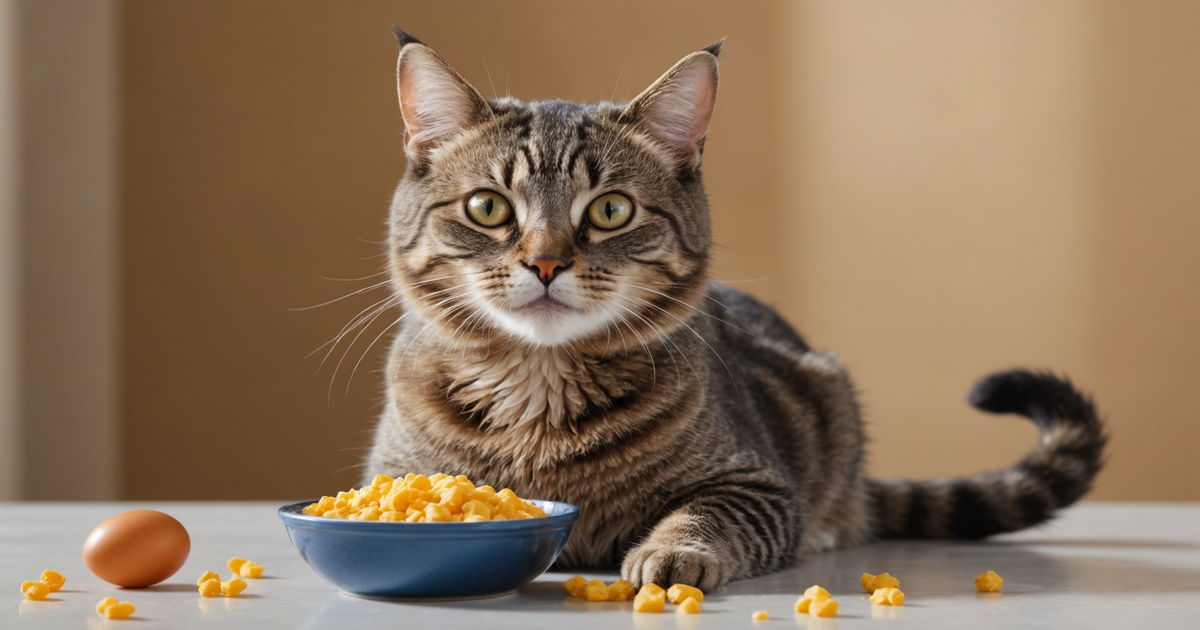
Despite their benefits, there are considerations to keep in mind when incorporating freeze-dried eggs into a cat’s diet.
Some cats may have sensitivities or allergies to eggs. It’s essential to introduce any new food gradually and monitor for adverse reactions. Symptoms such as vomiting, diarrhoea, or skin irritations should prompt consultation with a veterinarian.
While nutrient-dense, freeze-dried eggs can also be calorie-dense. Overfeeding can lead to weight gain, which poses health risks like diabetes and joint problems. The Association of American Feed Control Officials (AAFCO) provides guidelines on caloric intake that can help pet owners maintain a balanced diet for their cats.
Freeze-dried eggs can be an excellent addition to a cat’s diet, offering a wealth of nutritional benefits. However, like any dietary change, they should be introduced thoughtfully and in moderation. By understanding the nutritional profile and comparing them to other freeze-dried products, cat owners can make informed decisions that align with their pet’s health needs.
While generally safe, it’s essential to consider potential allergies and introduce them gradually. Always consult a veterinarian if unsure.
Store them in a cool, dry place to maintain their freshness and nutritional value.
No, they should complement a balanced diet rather than replace complete meals. Refer to complete and balanced pet food guidelines for meal planning.
Treats should constitute no more than 10% of your cat’s daily caloric intake, as recommended by the Pet Food and Treats guidelines.
Yes, options like freeze-dried minnows and commercial freeze-dried cat treats provide variety.
Yes, the freeze-drying process preserves most of the original nutrients, making them a nutritious option.
Discontinue use and consult your veterinarian. It’s crucial to monitor your pet’s health when introducing new foods.
By understanding the potential benefits and drawbacks of freeze-dried eggs, pet owners can make informed decisions that support their cat’s health and well-being.