
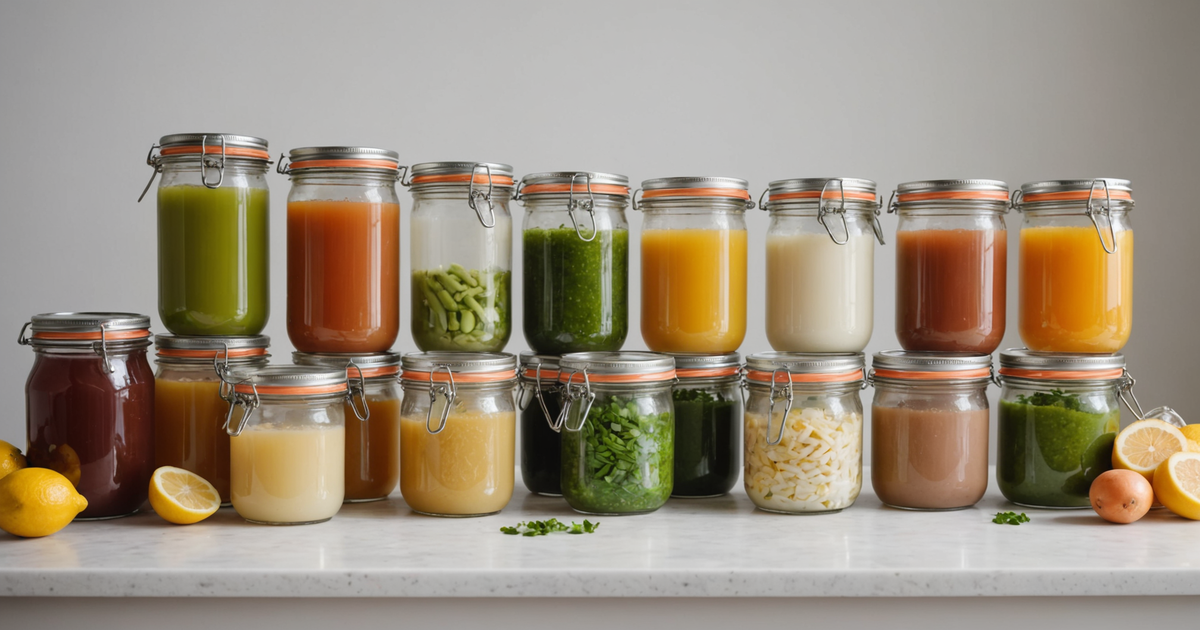
Bone broth has found its way into the heart of culinary traditions across the globe, celebrated for its rich flavour and numerous health benefits. From being a comforting soup base to a nutritious drink, bone broth serves multiple purposes. However, preparing bone broth from scratch can be time-consuming, making it practical to prepare in bulk and store for future use. The best way to freeze bone broth ensures that you retain its nutritional value, flavour, and usability. In this guide, we will explore the best methods for freezing bone broth, along with tips for thawing and using it safely. For more detail, see official guidance.
Freezing bone broth is essential for preserving its nutrients and flavour. When properly stored, frozen bone broth can last for several months, allowing you to have a ready supply for your culinary needs. Freezing also prevents waste, as you can store any excess broth that you don’t immediately need. For more detail, see further information.
Before freezing your bone broth, it is crucial to prepare it correctly:. For more detail, see detailed advice.
Strain the Broth: Once the broth is prepared, strain it through a fine-mesh sieve or cheesecloth to remove any solid particles. This step ensures a smooth consistency. For more detail, see planning resources.
Cool the Broth: Allow the broth to cool to room temperature. This can be expedited by placing the broth in an ice bath. Cooling prevents the growth of bacteria and helps maintain the quality of the broth. For more detail, see local insights.
Skim the Fat: Once cooled, skim off the excess fat that forms a layer on top. This can be easily done with a spoon.
Selecting the right containers is vital for efficient freezing. Opt for freezer-safe containers like glass jars, silicone trays, or plastic freezer bags. Each has its benefits:
Portion Control: Freeze the broth in portions that you typically use, whether it’s cups, half-cups, or cubes. This makes thawing and using the broth more convenient.
Label and Date: Always label your containers with the date of freezing. This helps you keep track of how long the broth has been stored.
Flash Freezing: If using trays, consider flash freezing the broth cubes before transferring them to bags. This prevents them from sticking together.
Once frozen, the bone broth should be stored at a consistent temperature of -18°C (0°F). Avoid frequent opening of the freezer, which can cause temperature fluctuations and impact the quality of the broth.
To thaw bone broth, either place it in the refrigerator overnight or immerse the container in cold water. Avoid using warm water as it could encourage bacterial growth. Once thawed, use the broth within 3–4 days for optimal freshness.
Bone broth isn’t just for soups. It can be a base for stews, gravies, and sauces. For pet owners, bone broth can also be a delightful addition to freeze-dried food for dogs, providing added nutrients and flavour.
Properly freezing bone broth is a skill that can save time and enhance your cooking. By following the best practices outlined above, you can ensure that your broth remains delicious and nutritious. Whether you’re a culinary enthusiast or a pet owner looking to enrich your pet’s diet, bone broth is a versatile ingredient worth preserving.
1. Can I freeze bone broth in plastic containers?
Yes, plastic containers are suitable for freezing bone broth, provided they are freezer-safe. Ensure they are BPA-free to avoid chemical leaching.
2. How long can I keep bone broth in the freezer?
Bone broth can be safely stored in the freezer for up to 6 months. Beyond this, its quality may begin to degrade.
3. Is it necessary to skim the fat before freezing?
While not mandatory, skimming the fat helps in achieving a clear broth and prevents the fat from forming an unpleasant layer upon thawing.
4. Can I freeze bone broth in ice cube trays?
Absolutely. Ice cube trays allow you to freeze small portions, making it easy to use in recipes that require only a small amount of broth.
5. What’s the best way to thaw bone broth?
The safest way to thaw bone broth is by placing it in the refrigerator overnight. Alternatively, you can thaw it in cold water.
6. Can bone broth be refrozen after thawing?
Refreezing is not recommended as it can affect the texture and flavour of the broth. It’s best to only thaw the amount you plan to use.
7. How can I use bone broth for my dog’s diet?
Bone broth can be a nutritious addition to your dog’s diet. Consider mixing it with freeze-dried dog treats for a flavourful and healthy meal. Always ensure the broth is free from onions and excess salt.
8. What are the benefits of bone broth for pets?
Bone broth provides essential nutrients such as collagen, amino acids, and minerals that support joint health and digestion in pets. For more insights, refer to expert guidelines on responsible pet nutrition.