

Are freeze-dried liver treats bad for dogs? As a pet owner, you want the best for your furry friend, and when it comes to treats, it’s crucial to understand what you’re feeding them. Freeze-dried liver treats have gained popularity due to their convenience and nutritional benefits, but questions remain about their safety. In this article, we’ll explore the potential risks and benefits of these treats, helping you make an informed decision for your pet’s health. For more detail, see official guidance.
Freeze-dried liver treats are made by freezing fresh liver and then removing the moisture through a process called sublimation. This method preserves the liver’s nutrients while extending its shelf life. The result is a lightweight, dry treat that’s easy to store and handle. For more detail, see detailed advice.
Liver is a nutrient-rich organ meat, packed with essential vitamins and minerals such as vitamin A, iron, and B vitamins. These nutrients are crucial for maintaining your dog’s overall health, supporting functions such as vision, blood health, and energy metabolism. According to the American Kennel Club, liver is a highly beneficial food source for dogs when given in moderation. For more detail, see local insights.
While freeze-dried liver treats offer numerous benefits, there are potential risks to consider. One concern is the high vitamin A content, which can lead to hypervitaminosis A if consumed in large quantities. This condition can cause bone deformities and other health issues. Additionally, freeze-dried treats can be high in fat, which may not be suitable for dogs prone to obesity or with specific health conditions.
The key to safely feeding your dog freeze-dried liver treats lies in moderation. These treats should not make up more than 10% of your dog’s daily caloric intake, as advised by the Pet Nutrition Alliance. This ensures your pet receives a balanced diet without the risks associated with excessive liver consumption.
Before introducing freeze-dried liver treats, consider your dog’s health condition. Dogs with liver disease, pancreatitis, or other specific health concerns may require a specialised diet. It’s best to consult a veterinarian to determine if these treats are suitable for your pet’s dietary needs.
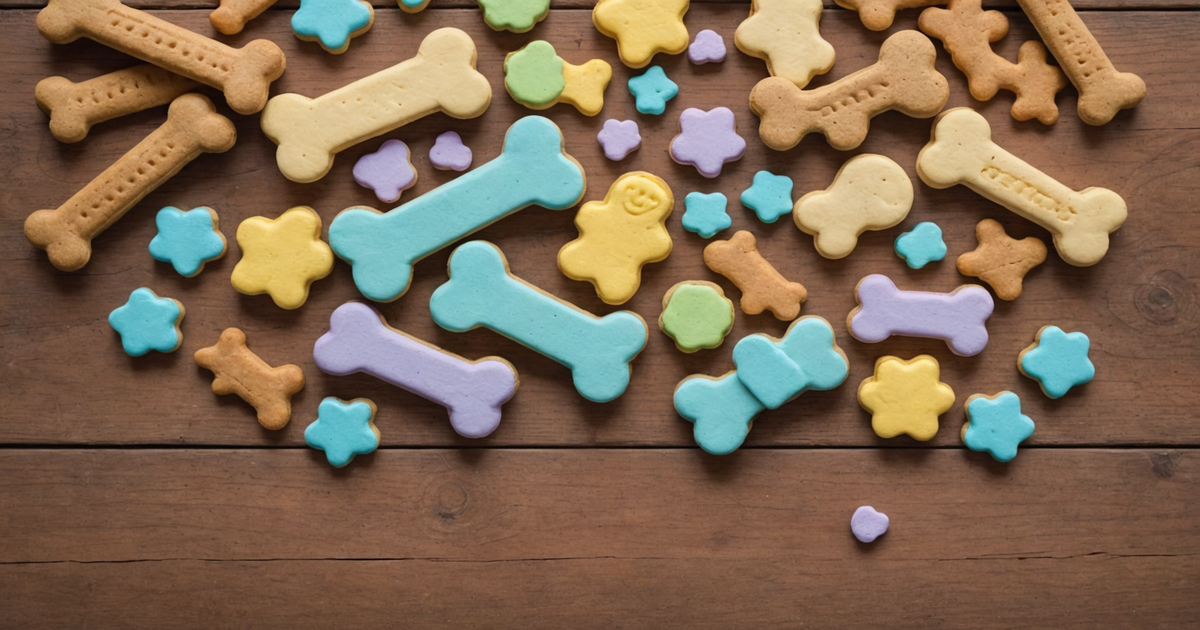
Not all freeze-dried liver treats are created equal. Ensure you purchase treats from reputable brands that follow strict safety standards. The FDA provides guidance on evaluating pet food quality, helping you make informed decisions.
If freeze-dried liver treats aren’t a fit for your dog, there are plenty of alternatives. Options like freeze-dried cheese treats or natural balance freeze-dried raw food can offer variety and additional nutritional benefits.
For those interested in making their own treats, consider homemade dog treats. This allows you to control the ingredients and ensure the treats align with your dog’s dietary needs.
In conclusion, freeze-dried liver treats can be a nutritious and safe option for your dog when fed in moderation. It’s essential to consider your dog’s specific health needs and consult with a veterinarian if you’re unsure about introducing these treats into their diet. By choosing high-quality products and maintaining a balanced treat regimen, you can enjoy the benefits of freeze-dried liver without compromising your dog’s health.
1. How often can I give my dog freeze-dried liver treats?
Freeze-dried liver treats should not exceed 10% of your dog’s daily caloric intake. It’s best to offer them occasionally as a reward rather than a regular snack.
2. Are there any dogs that shouldn’t have freeze-dried liver treats?
Dogs with liver disease, pancreatitis, or obesity may need to avoid high-fat treats like freeze-dried liver. Always consult with a veterinarian regarding your pet’s specific dietary needs.
3. How can I ensure the freeze-dried liver treats I buy are safe?
Purchase treats from reputable brands that adhere to safety standards. The FDA’s pet food guidelines can help you evaluate product quality.
4. Can freeze-dried liver treats replace my dog’s regular food?
No, these treats should not replace a complete and balanced diet. They are intended as a supplement to your dog’s regular meals.
5. What are some signs of vitamin A toxicity in dogs?
Symptoms of vitamin A toxicity may include bone deformities, lethargy, and weight loss. If you suspect your dog is consuming too much vitamin A, consult your veterinarian immediately.
6. Are there other freeze-dried treat options available?
Yes, there are a variety of options such as freeze-dried minnows or freeze-dried bananas, which may be suitable alternatives.
7. How do I store freeze-dried liver treats?
Store them in a cool, dry place, and ensure the package is sealed to maintain freshness and prevent contamination.
8. Can puppies have freeze-dried liver treats?
Puppies can have these treats, but in smaller amounts due to their developing digestive systems. Always consult your vet before introducing new foods.