
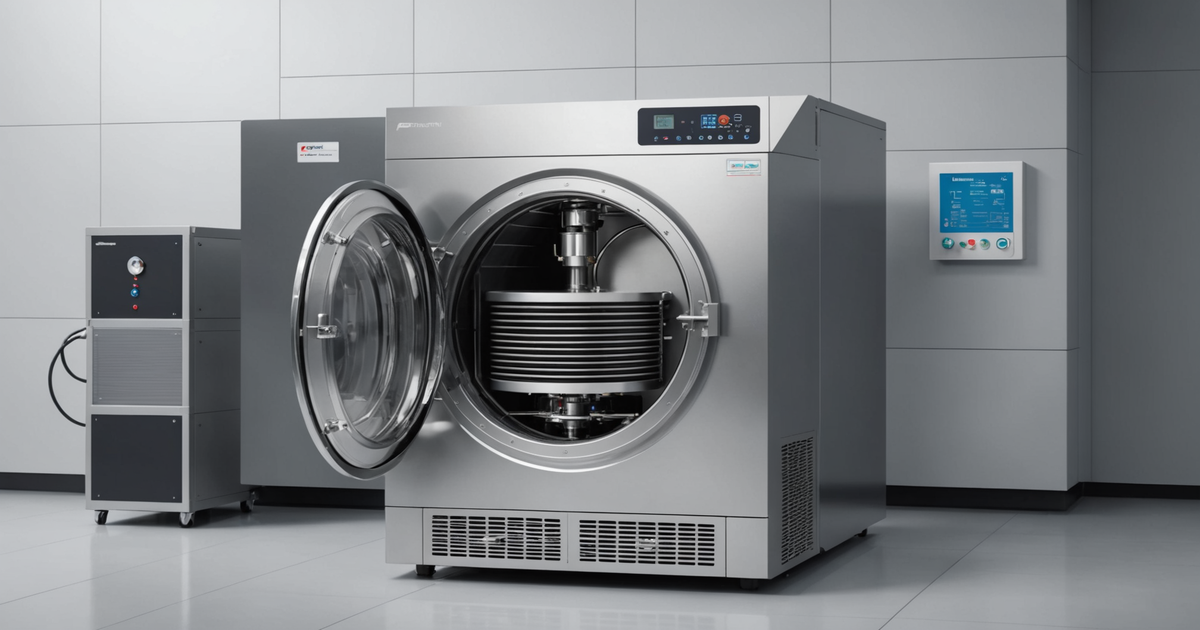
The concept of freeze-drying dogs may initially sound peculiar to some, but it is a growing trend among pet owners who wish to preserve their beloved companions in a unique and lasting way. Freeze-drying, a well-established method for preserving food and biological specimens, is being applied to deceased pets, allowing owners to maintain a tangible connection with their animals. This blog post explores the process of freeze-drying dogs, its implications, and why it has become a popular choice for pet preservation. For more detail, see official guidance.
Freeze-drying, or lyophilisation, is a dehydration process typically used to preserve perishable materials. It involves freezing the material, reducing the surrounding pressure, and then removing the ice by sublimation, which turns it directly into vapour without passing through the liquid phase. This technique retains the material’s structure and prevents decay, making it ideal for long-term preservation. For more detail, see further information.
When it comes to preserving pets, the freeze-drying process is intricate and requires specialised equipment. Initially, the deceased pet is carefully prepared, ensuring it is clean and posed in the desired position. This preparation can take several hours and must be done with precision to ensure a lifelike appearance. For more detail, see planning resources.
Once prepared, the body is frozen at extremely low temperatures. In the next stage, the freeze-dryer reduces the pressure surrounding the body, allowing the ice to sublimate over several weeks or even months, depending on the size of the pet. This step is crucial as it ensures the pet remains intact and retains its natural appearance. For more detail, see local insights.

After the freeze-drying process is complete, the pet is treated with preservatives to protect against environmental factors such as humidity and insects. The entire procedure is meticulous and can be costly, but for many pet owners, it is a worthwhile investment for the sentimental value it provides.
The decision to freeze-dry a pet is deeply personal and varies from owner to owner. For some, it offers a way to honour a cherished companion, keeping their memory alive in a tangible form. Unlike cremation, which reduces the pet to ashes, freeze-drying preserves the animal’s appearance, providing comfort to owners who find it difficult to part with their pets.
One of the primary reasons pet owners choose freeze-drying is the desire to preserve memories. The process allows them to keep their pets as they remember them, with their unique characteristics and expressions. This preservation can be particularly comforting for families and children who may struggle with the loss of a pet.
While taxidermy has been a traditional method for preserving animals, it involves removing the skin and mounting it over an artificial form. Freeze-drying, on the other hand, maintains the pet’s original body, making it a more appealing option for those who want a lifelike representation.
Moreover, freeze-drying is a less invasive process compared to traditional taxidermy, preserving more of the pet’s natural features and textures. As a result, the final product often appears more authentic and comforting to pet owners.
While freeze-drying offers many benefits, it is not without ethical considerations. The process raises questions about the treatment of deceased animals and whether it respects their dignity. Additionally, the costs associated with freeze-drying can be prohibitive, making it an option only for those who can afford it.
Pet owners must also consider the long-term implications of preserving their pets in this manner. While it can provide comfort, it might also prevent them from achieving closure and moving on from their loss. It is essential to weigh these factors carefully and consult with family members before deciding.
Freeze-drying dogs is an innovative yet controversial method for preserving pets. It offers comfort and a lasting memory for some, while raising ethical questions for others. As this practice gains popularity, it is crucial for pet owners to consider their motivations and the implications of choosing such a method. Ultimately, the decision to freeze-dry a pet is a personal one, influenced by individual beliefs and emotional needs.
The cost of freeze-drying a dog can vary significantly based on the size of the pet and the company providing the service. Generally, it ranges from several hundred to several thousand pounds. It is advisable to contact service providers directly for detailed pricing.
The freeze-drying process can take anywhere from a few weeks to several months, depending on the size and complexity of the pet. Larger animals require more time to ensure complete dehydration.
Freeze-drying itself is a safe process for preserving deceased pets. However, it is vital to choose a reputable service to ensure the process is conducted ethically and professionally.
Yes, freeze-drying can be used to preserve a variety of animals, including cats, birds, and small mammals. Each species may require different handling and preparation techniques.
Freeze-dried pets should be kept in a stable environment away from moisture and extreme temperatures. Regular dusting and careful handling will help maintain their appearance.
Yes, alternatives include traditional taxidermy and cremation. Some pet owners may also consider digital memorials or freeze-dried food options as a way to honour their pet’s memory.
While both methods aim to preserve remains, freeze-drying uses modern technology to remove moisture, whereas mummification traditionally involves drying and wrapping the body with natural materials. Freeze-drying is generally viewed as a more precise method for retaining the pet’s natural appearance.
Ethical concerns include the treatment of deceased animals, the potential for hindering emotional closure, and the cost barrier, which may make this option accessible only to certain individuals. It is essential for pet owners to carefully consider these aspects before proceeding.