
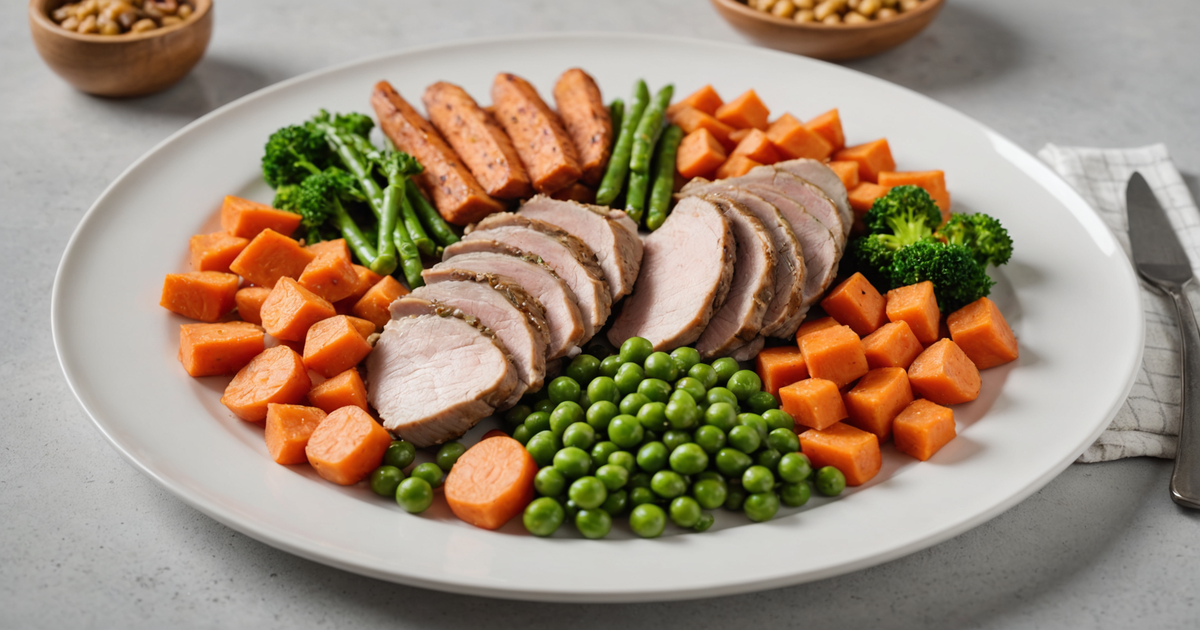
Freeze-dried duck is becoming an increasingly popular choice for dog owners seeking a nutritious and protein-rich option for their furry companions. This review will delve into the benefits and potential drawbacks of incorporating freeze-dried duck into your dog’s diet, offering insights into its nutritional value, suitability, and how it compares to other freeze-dried options. As a primary protein source, duck offers unique benefits that can cater to specific dietary needs and preferences. For more detail, see further information.
Freeze-dried duck is a high-quality protein source, essential for maintaining your dog’s muscle mass and overall health. According to the American Kennel Club, protein is a crucial component of a balanced diet for dogs, supporting skin health, immune function, and energy levels. Duck meat is rich in essential amino acids and contains healthy fats that contribute to a shiny coat and healthy skin. For more detail, see detailed advice.
Additionally, duck is an excellent alternative for dogs that may have sensitivities or allergies to more common proteins such as chicken or beef. The Pet Nutrition Alliance notes that novel protein sources can be crucial in managing food allergies in pets. Freeze-drying preserves the nutritional integrity of the duck while removing moisture, resulting in a lightweight and long-lasting product. For more detail, see planning resources.
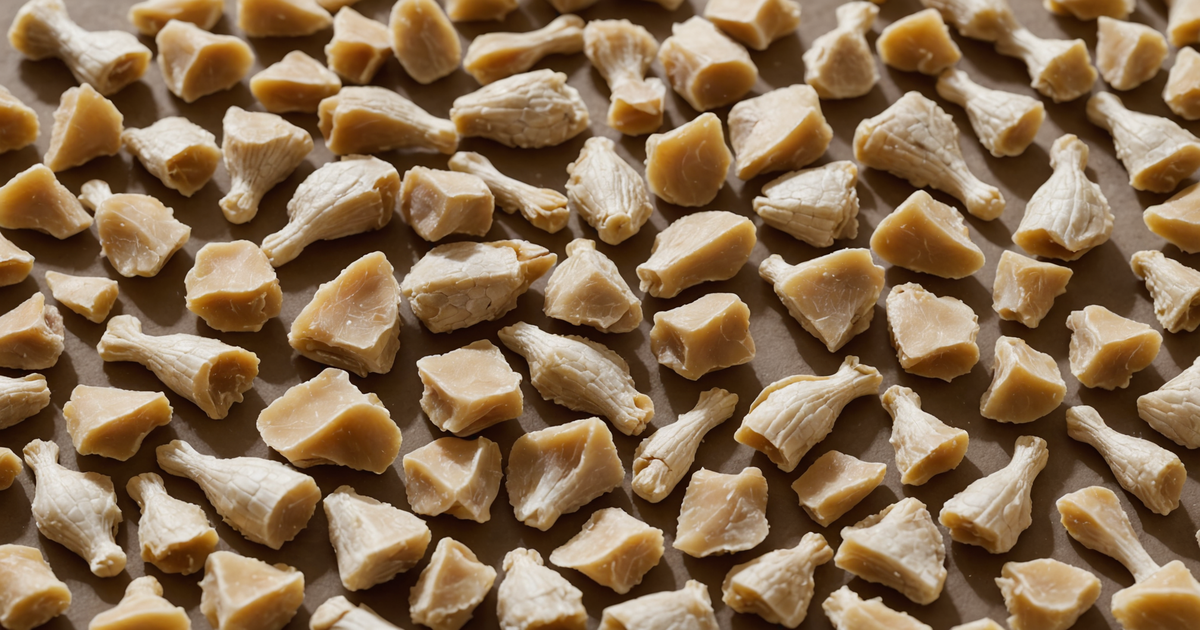
When considering freeze-dried options, duck stands out for its unique nutritional profile and palatability. Compared to chicken, another popular choice, duck contains a higher fat content, providing a source of energy that may be beneficial for active dogs. For those interested in exploring other protein options, freeze-dried chicken is also available, offering a leaner alternative. For more detail, see local insights.
Moreover, duck is also rich in iron and B vitamins, which are pivotal for maintaining energy levels and supporting various bodily functions. The World Small Animal Veterinary Association highlights the importance of these nutrients in a balanced canine diet, ensuring that your dog receives all the essential vitamins and minerals.
Freeze-dried duck is generally suitable for dogs of all breeds and life stages. However, it is crucial to adjust portion sizes according to your dog’s specific needs, taking into account their age, weight, and activity level. Puppies and active breeds may require higher caloric intake, while senior dogs might benefit from a diet lower in fat to prevent weight gain.
For a comprehensive guide on tailoring your dog’s diet to their life stage, the American Animal Hospital Association provides detailed recommendations. It’s also advisable to consult your veterinarian before making any significant changes to your pet’s diet, ensuring that the transition to freeze-dried duck is smooth and beneficial.
Serving freeze-dried duck is relatively straightforward. It can be given as a treat, mixed with other food, or rehydrated to form a complete meal. Rehydration involves adding water to the freeze-dried pieces, making them easier to digest and more palatable for some dogs. This flexibility allows pet owners to integrate duck into their dog’s diet in a way that suits their preferences and needs.
For those interested in bulk purchases or exploring other treat options, check out bulk freeze-dried food deals, which offer a cost-effective way to incorporate high-quality proteins into your pet’s diet regularly.
While freeze-dried duck is an excellent option for many dogs, there are some considerations to keep in mind. The cost of freeze-dried products can be higher than that of traditional kibble or canned food, which may be a factor for budget-conscious pet owners. Additionally, while the freeze-drying process preserves nutrients, it may not cater to dogs with specific dietary requirements, such as those needing low-fat diets.
It’s also crucial to ensure that the freeze-dried duck you purchase is from a reputable brand that adheres to safety and quality standards. The FDA’s guidelines on pet food provide valuable information on what to look for in pet food products, ensuring that your choice is both safe and nutritious.
Freeze-dried duck offers a nutritious and appealing option for dogs, providing a high-quality protein source that supports overall health and well-being. Its palatability and suitability for dogs with specific dietary needs make it a versatile choice. However, it’s essential to weigh the cost and ensure that the product meets safety standards before incorporating it into your dog’s diet.
For more reviews and insights on pet food options, explore our pet food reviews to find the best choice for your furry friend.
1. Is freeze-dried duck suitable for all dog breeds?
Yes, freeze-dried duck is generally suitable for all dog breeds, but portion sizes should be adjusted according to the dog’s age, weight, and activity level.
2. How do I prepare freeze-dried duck for my dog?
You can serve it as is, mix it with other foods, or rehydrate it by adding water to create a complete meal.
3. Can freeze-dried duck cause allergies in dogs?
Freeze-dried duck is often used as an alternative for dogs allergic to common proteins like chicken or beef. However, any new food can potentially cause allergies, so monitor your dog for any adverse reactions.
4. Is freeze-dried duck expensive compared to other dog foods?
Freeze-dried products can be more expensive than traditional kibble or canned foods. Consider exploring bulk deals for cost-effective options.
5. Can puppies eat freeze-dried duck?
Yes, puppies can eat freeze-dried duck, but ensure portion sizes are appropriate for their age and nutritional needs.
6. How does freeze-dried duck compare to freeze-dried chicken?
Freeze-dried duck tends to be higher in fat than chicken, providing more energy, which may be suitable for active dogs. For a leaner option, consider freeze-dried chicken.
7. Is it necessary to consult a vet before starting freeze-dried duck?
Yes, consulting a vet is always advisable before making significant dietary changes to ensure the new diet meets your dog’s health requirements.