
Fresh pet food has increasingly become the choice for many pet owners who are keen to provide their furry friends with nutritious and wholesome meals. As with any fresh product, the question often arises: can you freeze fresh pet food? This query is crucial, especially for those who buy in bulk or make homemade recipes. Freezing is a common preservation method, but it’s essential to understand how it affects food quality, nutritional value, and safety. This comprehensive guide will delve into the intricacies of freezing fresh pet food, providing you with the knowledge you need to make informed decisions. For more detail, see official guidance.
Freezing is a popular method to extend the shelf life of fresh pet food, but how does it impact the nutritional value? According to the Pet Nutrition Alliance, freezing can help maintain the majority of nutrients found in fresh pet foods, provided the process is done correctly. However, certain vitamins, such as vitamin C and some B vitamins, may degrade slightly during freezing. For more detail, see detailed advice.
The American Kennel Club notes that the freezing process slows down enzyme activity and microbial growth, thus preserving the food’s nutritional content for longer periods. It’s crucial to ensure that fresh pet food is properly sealed and stored to prevent freezer burn, which can affect both taste and nutritional integrity. For more detail, see planning resources.
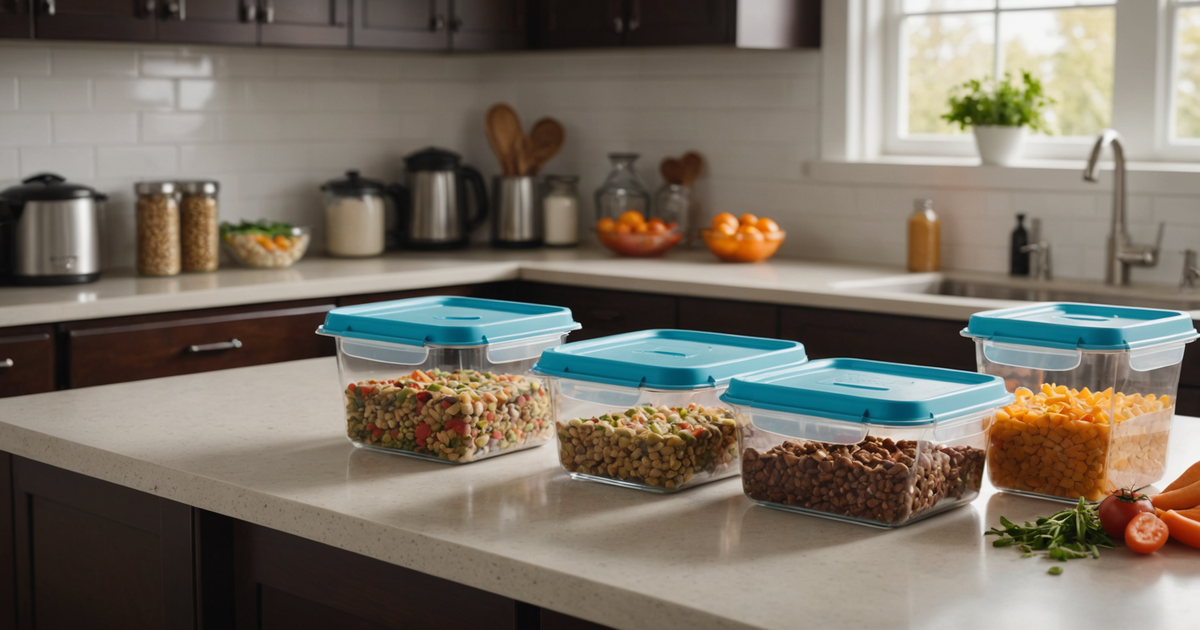
To freeze fresh pet food effectively, it’s important to divide it into meal-sized portions before placing it in airtight containers or vacuum-seal bags. This prevents exposure to air, which is the main culprit of freezer burn and nutrient loss. The World Small Animal Veterinary Association recommends using a deep freezer set to the correct temperature (ideally -18°C or lower) to maintain food safety and quality.
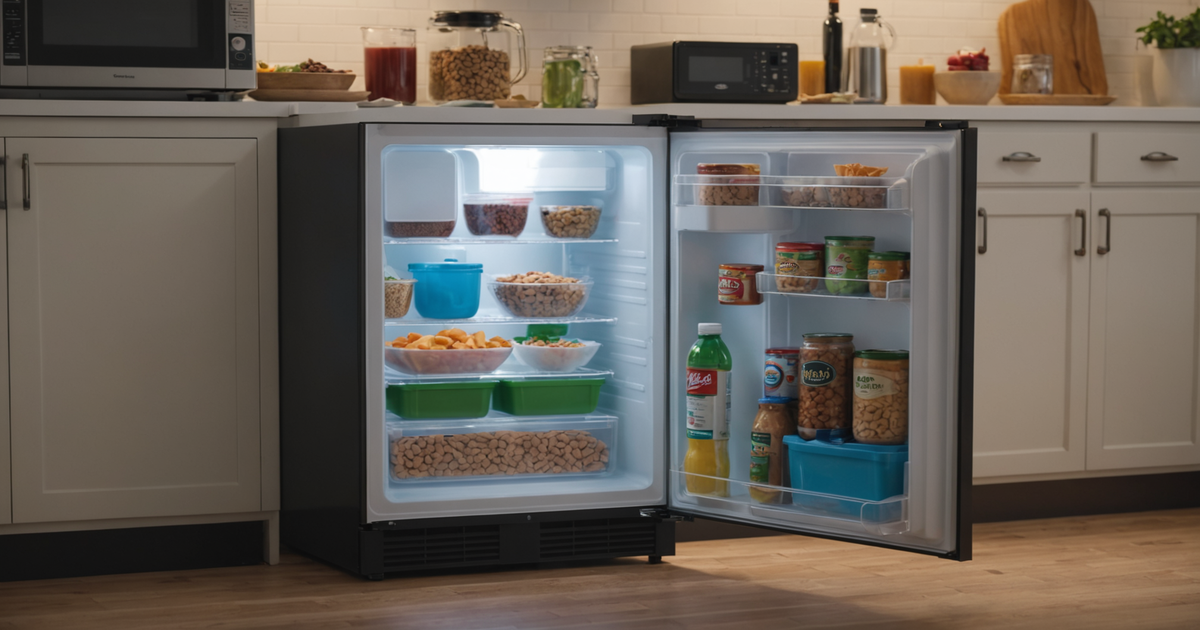
One of the most significant advantages of freezing fresh pet food is the extended shelf life it offers. By freezing, you can store pet food for several months without a significant loss in quality. This is particularly beneficial for those who prepare homemade pet meals in bulk.
Having a supply of frozen fresh pet food on hand can save time and reduce the frequency of meal preparation. This convenience is ideal for busy pet owners who want to ensure their pets receive high-quality nutrition without the daily hassle of cooking.
Purchasing fresh ingredients in bulk and freezing them can be more cost-effective in the long run. It allows pet owners to take advantage of sales and discounts, such as those found in the pet food deals section of trusted retailers.
Freezing can alter the texture of some ingredients in fresh pet food. Meats and vegetables might become slightly mushier upon thawing. While this generally does not affect the nutritional content, some pets may be picky about texture changes.
Improper thawing can lead to bacterial growth, which compromises food safety. It’s essential to thaw pet food in the refrigerator rather than at room temperature to minimize the risk of contamination. The Food and Drug Administration advises against refreezing thawed pet food, as this can further increase the risk of spoilage and nutrient loss.
Another consideration is the amount of freezer space available. Fresh pet food, particularly in bulk, can take up substantial space, which might be a constraint for some households.
So, can you freeze fresh pet food? Absolutely, and doing so can be a practical approach to maintaining the nutritional quality and safety of your pet’s diet. However, it’s crucial to follow best practices for freezing and thawing to ensure that your pet continues to enjoy the benefits of fresh, wholesome meals. By understanding the advantages and limitations of freezing, you can make informed choices that support your pet’s health and well-being.
For more insights into pet nutrition, visit our pet nutrition category and explore various topics related to maintaining your pet’s diet.
Yes, most types of fresh pet food can be frozen, including meats, vegetables, and grains. However, some may experience texture changes upon thawing.
Properly stored fresh pet food can last in the freezer for up to six months without significant loss of quality. Be sure to use airtight containers to prevent freezer burn.
Refreezing thawed pet food is generally not recommended due to the risk of bacterial growth and nutrient degradation. Always thaw only the amount needed.
Thaw frozen pet food in the refrigerator to maintain safety and prevent bacterial growth. Avoid thawing at room temperature or using a microwave.
While freezing can slightly alter the texture, it generally does not affect the taste significantly. Most pets will not notice a difference.
Yes, freeze-drying is an alternative method that preserves nutrients well. You can learn more about freeze-dried options here.
Certainly! Homemade pet food can be frozen in portion-sized containers to maintain freshness and convenience.
If your pet is picky about thawed food, try mixing it with some fresh ingredients to entice them. Alternatively, consider trying different flavours or textures to find one they like.