
Freeze drying pets is an increasingly popular method of preservation, allowing pet owners to keep their beloved companions in a lifelike state for years. This process provides an alternative to traditional taxidermy by maintaining the pet’s original shape and appearance. However, understanding the freeze dry pets cost is crucial for those considering this option. This blog will provide a detailed breakdown of the factors influencing the cost of freeze drying pets, including size, species, and additional services. By exploring these factors, pet owners can make informed decisions about this heartfelt preservation method. For more detail, see official guidance.
The size of your pet is one of the primary factors affecting the freeze dry cost. Larger animals require more resources and time for the freeze-drying process. For example, a small hamster might cost significantly less than a large dog. The average cost can range from a few hundred pounds for small pets to several thousand pounds for larger animals. Understanding this cost disparity is essential for budgeting the preservation of your pet. For more detail, see detailed advice.
Different species present unique challenges in the freeze-drying process. Birds, reptiles, and mammals each have specific requirements that can affect the overall cost. Birds, with their delicate feathers, may require additional care, while reptiles might need specialised handling due to their skin and scales. Consequently, the species of your pet is a critical factor in determining the final price. For more detail, see local insights.
Additional services, such as custom poses or special displays, can also impact the freeze dry pets cost. Many pet owners opt for poses that reflect their pet’s personality or natural behaviour, which can require extra work and increase the cost. Moreover, some services offer customised bases or enclosures to display the preserved pet, further adding to the expense.
The geographic location of the service provider can influence costs due to variations in operational expenses and local demand. Urban areas with high living costs might charge more than rural locations. It’s advisable to research and compare prices from multiple providers to ensure you’re receiving competitive rates.
Not all freeze-drying services are created equal; the quality and reputation of the service provider can significantly affect the cost. Providers with extensive experience and high-quality craftsmanship might charge premium prices, but they often guarantee better results. It’s important to consider reviews and testimonials when selecting a provider.
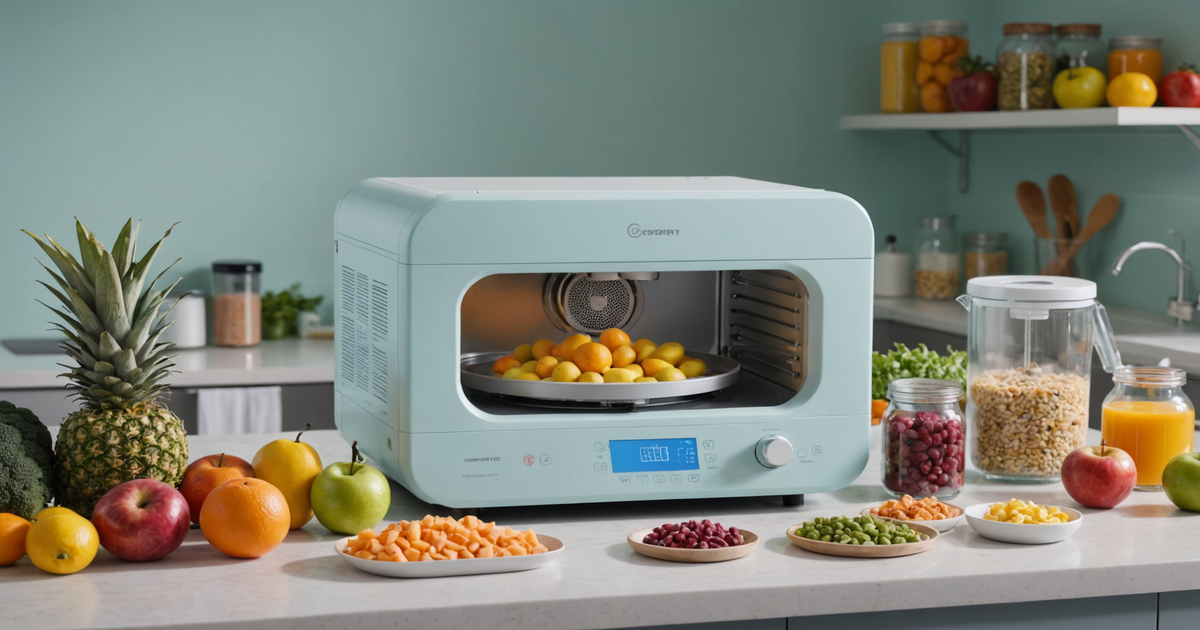
Understanding the freeze-drying process is crucial for appreciating the associated costs. The process involves several stages, including initial preparation, freezing, primary drying, and secondary drying. Each stage requires specialised equipment and considerable time, contributing to the overall expense.
Initial preparation involves cleaning and positioning the pet for freezing. This stage is vital to ensure the pet maintains a lifelike appearance. It requires skill and precision, particularly for larger animals or those with unique features.
The freezing and drying stages are where the bulk of the work occurs. The pet is frozen to a solid state, then placed in a vacuum chamber where moisture is removed. This process can take weeks or even months, depending on the pet’s size and species. The extended duration and use of advanced equipment are significant cost factors.
Once the freeze-drying is complete, final touches such as grooming, painting, and positioning are applied to enhance the pet’s appearance. These additional steps, although minor compared to the drying process, add to the overall cost due to their labour-intensive nature.
Freeze drying pets is a meticulous and costly process that offers a way to preserve cherished memories. By understanding the factors that influence the freeze dry pets cost, such as size, species, and additional services, pet owners can make informed decisions about preserving their beloved companions. Whether you choose to preserve a small hamster or a large dog, the investment can provide lasting comfort and remembrance.
For those interested in further exploring pet care and preservation options, consider visiting this resource on pet nutrition or pet care tips.
The cost to freeze dry a pet can vary greatly depending on the pet’s size, species, and any additional services requested. Typically, prices can range from a few hundred to several thousand pounds.
The freeze-drying process can take several weeks to months, depending on the pet’s size and the complexity of the preservation.
Yes, freeze drying is a safe preservation method that retains the pet’s natural appearance. It involves no harmful chemicals, making it a preferred choice for many pet owners.
Most domestic pets can be freeze-dried, including dogs, cats, birds, and reptiles. However, the process may vary depending on the species.
Alternatives to freeze drying include traditional taxidermy and cremation. Each method has its pros and cons, and the choice depends on personal preference.
Selecting a service provider involves researching their reputation, experience, and customer reviews. Comparing prices and understanding their process is also essential.
Once freeze-dried, pets require minimal maintenance. However, it’s advisable to keep them in a stable environment to prevent damage.
For more information on pet care, visit Pet Food and Treats or explore pet nutrition resources.