
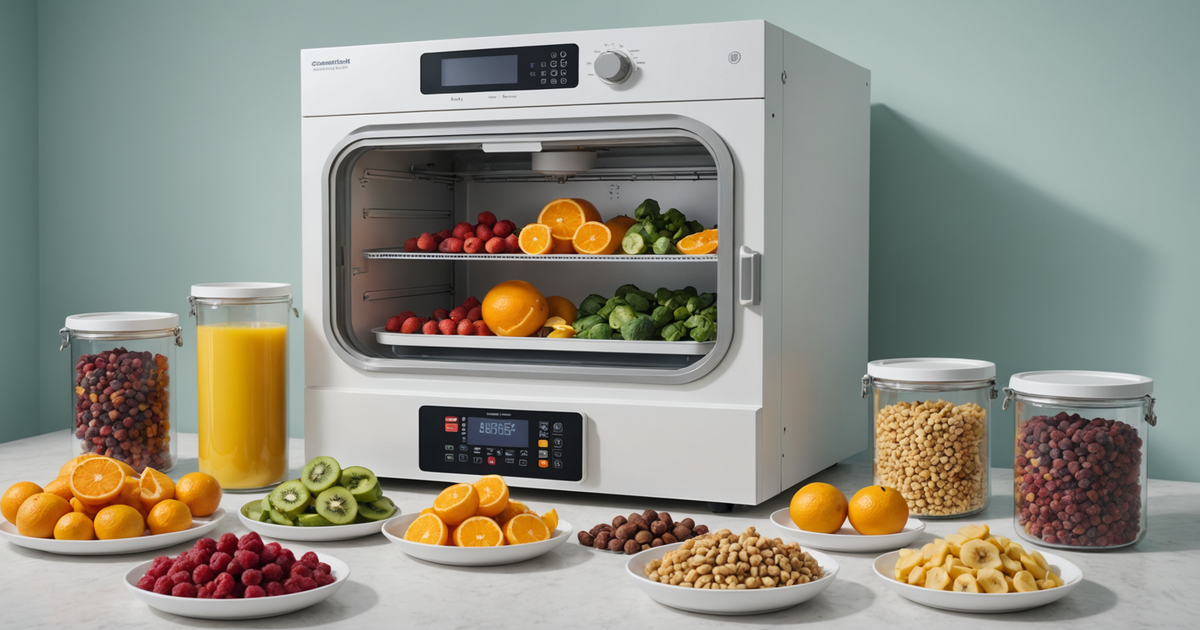
Freeze-dried foods have gained popularity not only as convenient options for pet treats but also for human consumption. The process of freeze drying preserves food while maintaining nutritional value, leading to questions about its safety and benefits when applied to chicken. This article explores whether freeze dried chicken is safe for humans, how it is processed, and the potential advantages and disadvantages of including it in a diet. For more detail, see official guidance.
Freeze drying, or lyophilisation, is a dehydration process used to preserve perishable material. It works by freezing the product, reducing the surrounding pressure, and adding heat to allow the frozen water in the material to sublimate directly from solid to gas. This method retains nutritional content, flavour, and texture better than other preservation methods. For more detail, see further information.
The result is a lightweight, shelf-stable product that can be rehydrated quickly. For more detail, see local insights.
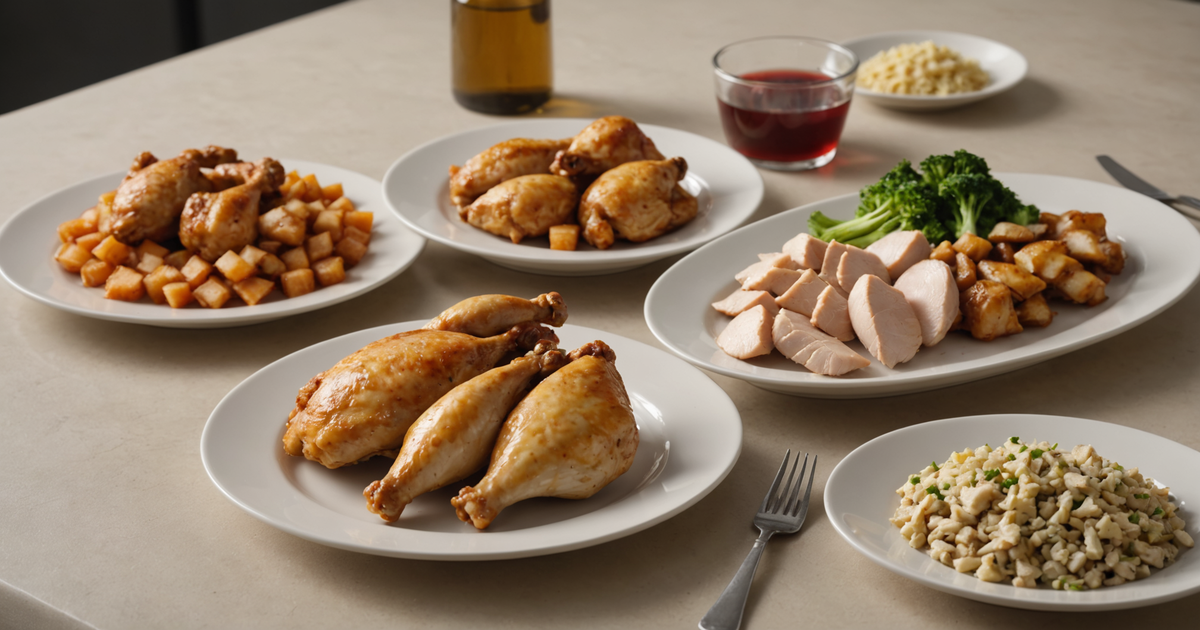
Freeze dried chicken retains a high level of nutrients, including protein and essential vitamins, because the process does not involve high heat which can degrade nutrients. According to the Pet Nutrition Alliance, maintaining nutritional integrity is crucial, particularly when considering treats for pets, but this principle also benefits human consumers.
The primary concern with freeze dried chicken is ensuring that it is processed in a sanitary environment to prevent contamination. The FDA outlines stringent guidelines for processing facilities to ensure food safety. Provided these standards are met, freeze dried chicken can be a safe addition to human diets.
Despite its benefits, freeze dried chicken can pose risks, especially if not stored properly. Exposure to moisture can lead to bacterial growth. It is also essential to ensure that the chicken is fully cooked or properly treated before freeze drying to eliminate pathogens like Salmonella.
To rehydrate freeze dried chicken, soak it in hot water or broth until it reaches the desired texture. It can be added directly to soups, stews, or casseroles where moisture from other ingredients will naturally rehydrate the chicken.
Many enjoy freeze dried chicken as a high-protein snack. Its crunchy texture makes it a satisfying alternative to traditional snacks.
Freeze dried chicken represents a practical and nutritious option for those seeking to incorporate preserved foods into their diet. With proper processing and storage, it is a safe and versatile product that offers numerous benefits, from extended shelf life to ease of use in various culinary applications. However, as with any preserved food, it is essential to consider potential risks and follow best practices for safety.
Is freeze dried chicken suitable for a gluten-free diet?
Yes, freeze dried chicken is naturally gluten-free, making it an excellent protein option for those with gluten sensitivities or celiac disease.
Can freeze dried chicken be eaten without rehydration?
Yes, it can be consumed directly as a crunchy snack, but rehydrating may enhance the texture and flavour profile.
How should freeze dried chicken be stored?
Store it in a cool, dry place in an airtight container to prevent moisture absorption and prolong shelf life.
What is the shelf life of freeze dried chicken?
When stored correctly, freeze dried chicken can last 10 to 15 years, depending on the packaging and storage conditions.
Is freeze dried chicken safe for children?
Yes, it is safe for children provided it is properly rehydrated to avoid choking hazards and comes from a reputable source ensuring food safety standards.
Can vegetarians or vegans consume freeze dried chicken?
No, freeze dried chicken is not suitable for vegetarians or vegans as it is an animal product.
Are there any additives in freeze dried chicken?
Quality freeze dried chicken should not contain additives or preservatives, though it’s important to check the label for confirmation.
Where can I purchase freeze dried chicken?
It is available in supermarkets, online retailers, and specialty stores. For those interested in pet options, explore freeze-dried cat food top choices for additional insights.