
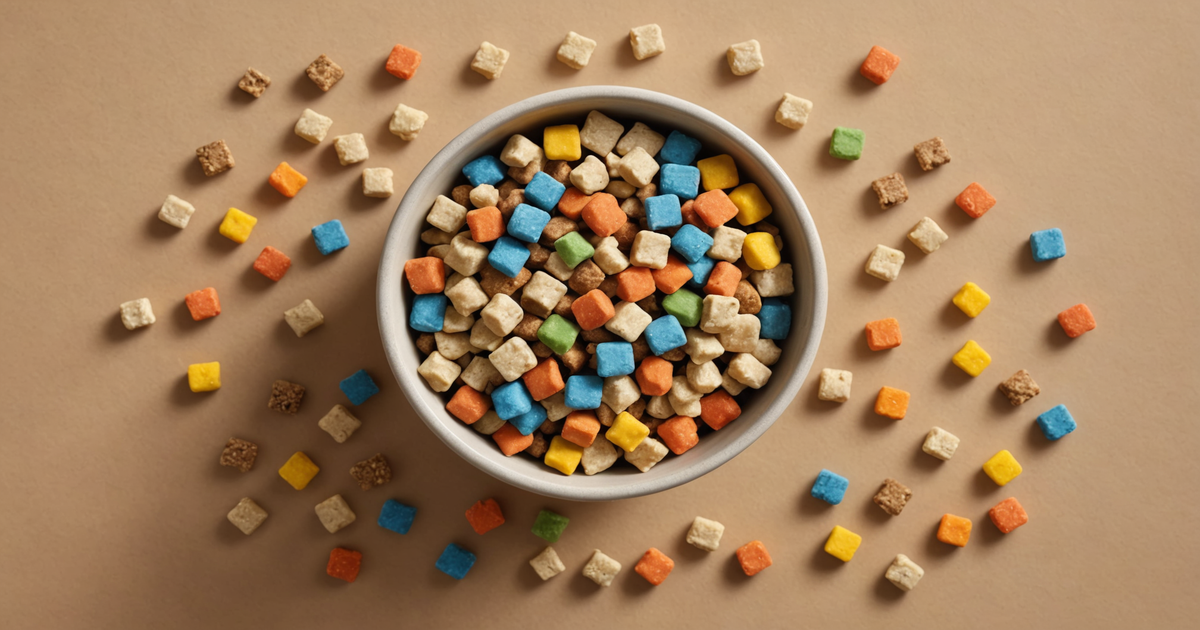
Cooked freeze dried cat treats are becoming increasingly popular among cat owners looking for a nutritious and safe way to reward their feline friends. These treats retain the natural flavours and nutrients of fresh food while providing the convenience of a long shelf life. This guide delves into the benefits, preparation methods, and best practices for choosing and storing cooked freeze dried cat treats. By understanding these factors, you can make informed decisions that contribute to your cat’s overall health and happiness. For more detail, see official guidance.
Cooked freeze dried cat treats are made by first cooking the ingredients to eliminate harmful bacteria and then freeze-drying them to preserve nutrients, flavour, and freshness. The freeze-drying process involves removing moisture through sublimation, which turns ice directly into vapour, leaving the food dry and shelf-stable. This method is particularly effective in preserving the quality of the treats without the need for artificial preservatives. For more detail, see further information.
Nutrient Preservation: Freeze-drying locks in essential vitamins and minerals that are often lost during traditional cooking or processing methods.
Convenience: These treats are lightweight, easy to store, and have a long shelf life, making them perfect for busy pet owners. For more detail, see planning resources.
Natural Taste: The process retains the natural flavours of the ingredients, which cats find appealing. For more detail, see local insights.
Safety: Cooking before freeze-drying ensures harmful pathogens are eliminated, making these treats a safer option for your pet.
For more insights on the benefits of freeze-dried pet foods, you can explore top freeze dried dog food brands.
When selecting the best treats for your cat, consider the following:
Look for treats that contain high-quality, natural ingredients. Avoid those with artificial additives, fillers, or by-products. High-protein sources such as chicken, beef, or fish are ideal. For example, freeze-dried chicken pet safe treats are a great option for cats.
Choose products from reputable brands that adhere to stringent quality control measures. Brands that provide transparency about their sourcing and processing methods are preferable.
Ensure the treats complement your cat’s diet by checking their nutritional content. The Pet Nutrition Alliance offers resources to help you understand the nutritional needs of your pet.
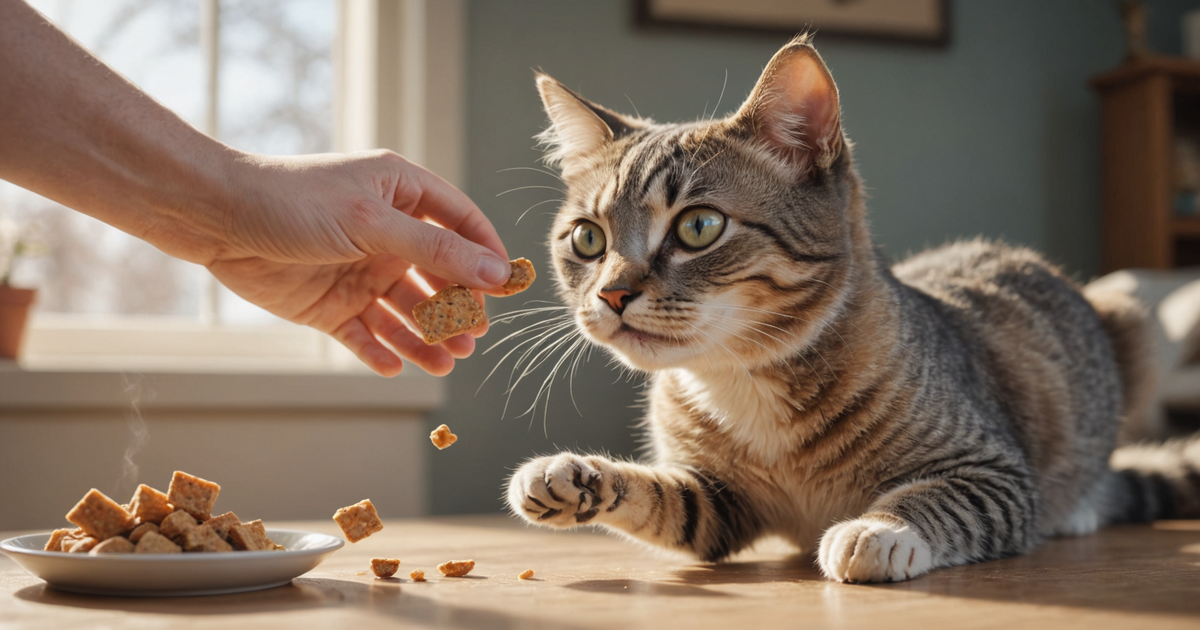
Proper storage is crucial to maintaining the quality and safety of freeze-dried treats. Here are some tips:
Airtight Containers: Use airtight containers to prevent moisture from entering and affecting the treats.
Cool, Dry Place: Store in a cool, dry place away from direct sunlight to maintain freshness.
Avoid Refrigeration: While it might seem beneficial, refrigeration can introduce moisture, potentially leading to spoilage.
For more detailed advice on pet nutrition and storage, you can refer to the American Veterinary Medical Association’s resources.
When introducing cooked freeze dried cat treats into your feline’s diet, follow these guidelines:
Moderation: Treats should not constitute more than 10% of your cat’s daily caloric intake. This ensures that your cat receives a balanced diet and avoids unnecessary weight gain.
Monitoring: Observe your cat for any adverse reactions when trying new treats. If any signs of allergies or digestive issues arise, discontinue use and consult your vet.
Hydration: Ensure your cat has access to plenty of fresh water, especially when consuming dry treats.
For more on safe feeding practices and pet nutrition, visit AAFCO’s guidelines.
Cooked freeze dried cat treats offer a safe, nutritious, and convenient option for rewarding your feline friend. By understanding the benefits, selecting high-quality products, and following proper storage and feeding practices, you can ensure your cat enjoys these treats safely. Always prioritise your pet’s health by choosing reputable brands and consulting with veterinary professionals when needed.
1. What is the difference between freeze dried and dehydrated cat treats?
Freeze drying removes moisture through sublimation, preserving more nutrients and flavour, whereas dehydration uses heat, which can reduce nutritional content.
2. Are cooked freeze dried cat treats suitable for kittens?
Yes, but ensure they are soft enough for young teeth and given in moderation. Consult your vet for specific dietary advice for kittens.
3. Can cooked freeze dried cat treats replace regular meals?
No, they are intended as supplements to a balanced diet and should not replace nutritionally complete meals.
4. How can I tell if my cat is allergic to a specific treat?
Watch for signs like itching, vomiting, or diarrhoea after consuming the treat. If these occur, stop feeding the treat and consult your vet.
5. Why do some freeze dried treats require rehydration before feeding?
Rehydration can make them easier to chew and digest, especially for older cats or those with dental issues.
6. Are there any risks associated with freeze dried cat treats?
When properly prepared and stored, they are generally safe. However, always monitor your cat for any negative reactions.
7. How often should I give my cat freeze dried treats?
Limit treats to no more than 10% of their daily caloric intake to maintain a balanced diet.
8. Where can I find high-quality cooked freeze dried cat treats?
You can explore a variety of options in the cat treats category tailored for different feline tastes and needs.