

Caring for our furry friends involves a variety of responsibilities, including ensuring they have nutritious meals. Wet dog food is a popular choice due to its palatability and high moisture content, which can be particularly beneficial for dogs who require hydration. However, buying in bulk can lead to concerns about storage and freshness. This leads us to a common question among pet owners: can you freeze wet dog food safely? In this article, we’ll explore the benefits and potential drawbacks of freezing wet dog food, as well as how to do it correctly to maintain the quality and safety of your pet’s meals. For more detail, see official guidance.
Wet dog food is often lauded for its high moisture content, which is beneficial for dogs that need additional hydration or prefer softer food textures. It also tends to be more aromatic and flavourful, making it an appealing choice for picky eaters. When considering the nutritional aspects, it’s important to choose products that meet the standards set by organisations like AAFCO and WSAVA, ensuring the food is complete and balanced. For more detail, see further information.
Wet dog food typically comes in cans or pouches, designed to keep the food fresh. However, once opened, it has a limited shelf life. This is where freezing can be considered as an option to extend its usability. For more detail, see detailed advice.
The short answer is yes, you can freeze wet dog food. Freezing is a widely accepted method to preserve food, and this applies to pet food as well. However, to ensure that the nutritional value and taste remain intact, proper techniques must be followed. For more detail, see planning resources.
While freezing wet dog food has its benefits, there are some potential drawbacks to consider:
To freeze wet dog food effectively, follow these steps:
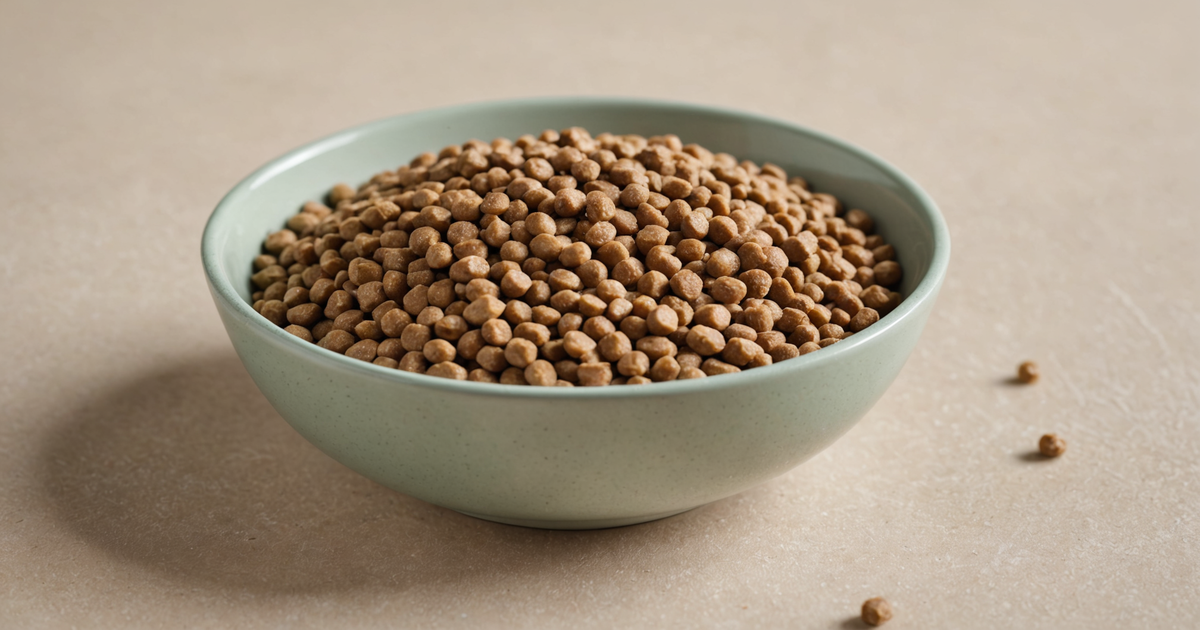
When ready to serve, transfer the frozen food from the freezer to the refrigerator and allow it to thaw slowly. This gradual thawing process helps maintain the texture and flavour. Avoid microwaving or using hot water to thaw, as this can lead to uneven heating or destroy essential nutrients.
Once thawed, serve the food at room temperature. If your dog is hesitant to eat the thawed food, you can warm it slightly by placing the container in a bowl of warm water. Remember, once thawed, the food should be consumed within a couple of days to ensure freshness.
If freezer space is limited or if freezing affects your dog’s food preferences, consider alternatives like freeze-dried dog food. Freeze-dried options are shelf-stable and rehydrate quickly, providing convenience without the need for freezing.
Additionally, healthy treat options such as the MK-9 Salmon Topper can enhance meals with added nutrients and flavours.
Freezing wet dog food is a practical solution for extending its shelf life and reducing waste. By following proper freezing and thawing techniques, you can maintain the nutritional quality and taste of your dog’s meals. However, it’s essential to monitor your pet’s response to any changes in texture or flavour. If freezing isn’t suitable, exploring other options like freeze-dried foods or smaller purchase quantities may be beneficial.
1. How long can wet dog food be frozen?
Wet dog food can typically be frozen for up to six months without significant loss of quality. Always check for freezer burn or off smells before serving.
2. Is it safe to refreeze wet dog food?
Refreezing is not recommended as it can degrade the quality and safety of the food. Once thawed, use the food within two days.
3. Can I freeze homemade wet dog food?
Yes, homemade wet dog food can be frozen using the same techniques. Ensure it is portioned and stored in airtight containers.
4. Does freezing kill bacteria in wet dog food?
Freezing does not kill bacteria; it only halts its growth. It’s crucial to handle food safely before freezing and after thawing.
5. How can I tell if frozen wet dog food is still good?
Check for signs of freezer burn, off smells, or changes in colour. If any of these are present, discard the food.
6. Can thawed wet dog food be stored in the fridge?
Yes, once thawed, it can be stored in the refrigerator for up to two days.
7. Are there specific brands of wet dog food that freeze better?
Most commercial wet dog foods freeze well, but it’s always best to consult the manufacturer’s guidelines or test a small batch first.
8. What should I do if my dog refuses to eat thawed wet dog food?
Try warming the food slightly or mixing it with fresh ingredients. If refusal persists, consider alternative meal options or consult your vet.