
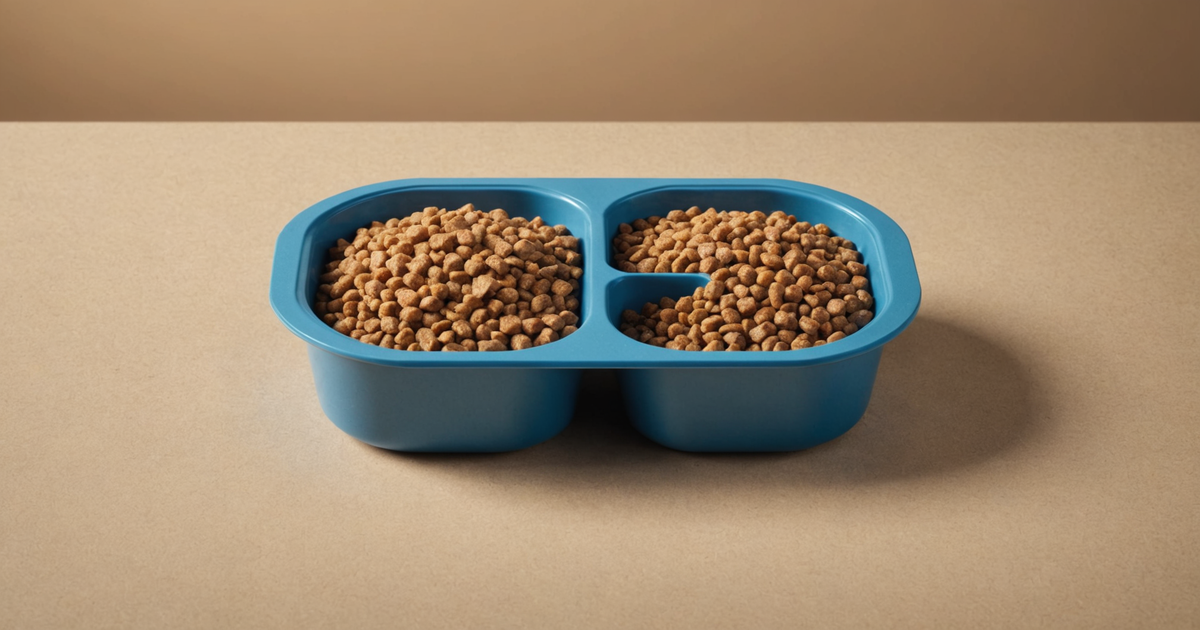
Feeding your feline friend the right diet is essential for their health and wellbeing. Among the various options available, wet cat food is often preferred due to its high moisture content, which can be beneficial for hydration. However, the question arises: can you freeze wet cat food safely? This comprehensive guide will explore the intricacies of freezing wet cat food, ensuring you make informed decisions about your pet’s diet. For more detail, see official guidance.
Wet cat food typically comes in cans or pouches and is known for its palatable taste and high water content. This type of food is particularly beneficial for cats who may not drink enough water on their own. The ingredients are often meat-based, providing essential proteins and fats necessary for a cat’s diet. According to the American Veterinary Medical Association (AVMA), a balanced diet is crucial for maintaining pet health. For more detail, see further information.
Freezing wet cat food may be considered for several reasons:. For more detail, see detailed advice.
While freezing wet cat food is generally safe, it’s important to follow specific guidelines to ensure food quality and safety:. For more detail, see local insights.
Divide Into Portions: Before freezing, divide the wet food into meal-sized portions. This makes it easier to defrost only what you need.
Use Suitable Containers: Opt for airtight containers or heavy-duty freezer bags. Squeeze out as much air as possible to prevent freezer burn.
Freeze Quickly: Place the portions in the coldest part of the freezer to freeze them rapidly. This helps preserve the food’s nutritional value and texture.
The way you thaw frozen wet cat food can impact its quality:
If freezing wet cat food doesn’t appeal to you, consider other preservation methods:
Freezing wet cat food can be a practical solution for extending shelf life and reducing waste, provided it’s done correctly. Always follow best practices for freezing and thawing to maintain the food’s quality and safety. By understanding how to safely freeze wet cat food, you can ensure your feline companion continues to enjoy their meals without compromising on nutrition or taste.
Most types of wet cat food can be frozen, but it’s advisable to check the manufacturer’s guidelines as some products may not freeze well.
Wet cat food can typically be frozen for up to three months. Beyond this period, the quality may deteriorate.
Look out for off smells, colour changes, or unusual textures, which might indicate spoilage.
Freezing may cause slight nutrient loss, but it generally preserves most of the food’s nutritional content.
Refrigeration is ideal for short-term storage, while freezing is better for long-term preservation.
Use airtight containers or freezer bags, removing as much air as possible before sealing.
Consider freeze-dried food as a long-lasting alternative with a similar nutritional profile.
Visit the Pet Nutrition Alliance for extensive resources on balanced pet diets.