

Is freeze dried raw food good for dogs? This question is increasingly common among pet owners keen to provide the best nutrition for their canine companions. Freeze dried raw food is gaining popularity, but understanding its benefits and potential drawbacks is essential for informed decision-making. This blog post delves into the nutritional advantages of freeze-dried raw food, its impact on pet health, and how it compares to other diets. By the end, you’ll have a comprehensive understanding of whether this feeding option suits your dog. For more detail, see official guidance.
Freeze-drying involves removing moisture from raw ingredients while preserving nutrients. This process retains the food’s nutritional integrity, making it a popular choice among pet owners who value a diet akin to what dogs might eat in the wild. Unlike traditional kibble, freeze-dried raw foods undergo minimal processing, maintaining the raw food benefits without the inconvenience of storing and handling fresh raw meat. For more detail, see further information.
Freeze dried raw food offers several nutritional advantages over conventional pet foods. The process preserves the essential vitamins and minerals that are often lost during cooking and processing. According to the American Kennel Club, raw diets provide high levels of protein, which is crucial for muscle development and overall health in dogs. For more detail, see planning resources.
Dogs thrive on protein-rich diets, and freeze dried raw food delivers this in abundance. Protein is vital for maintaining lean muscle mass, supporting a healthy coat, and ensuring optimal energy levels. Pet Nutrition Alliance highlights the importance of protein in canine diets, especially for active and working dogs.
The freeze-drying process locks in nutrients such as omega fatty acids, essential for skin and coat health. It also preserves enzymes that aid in digestion, offering a more biologically appropriate diet compared to heavily processed kibble. The World Small Animal Veterinary Association underscores the significance of nutrient preservation for overall pet health.
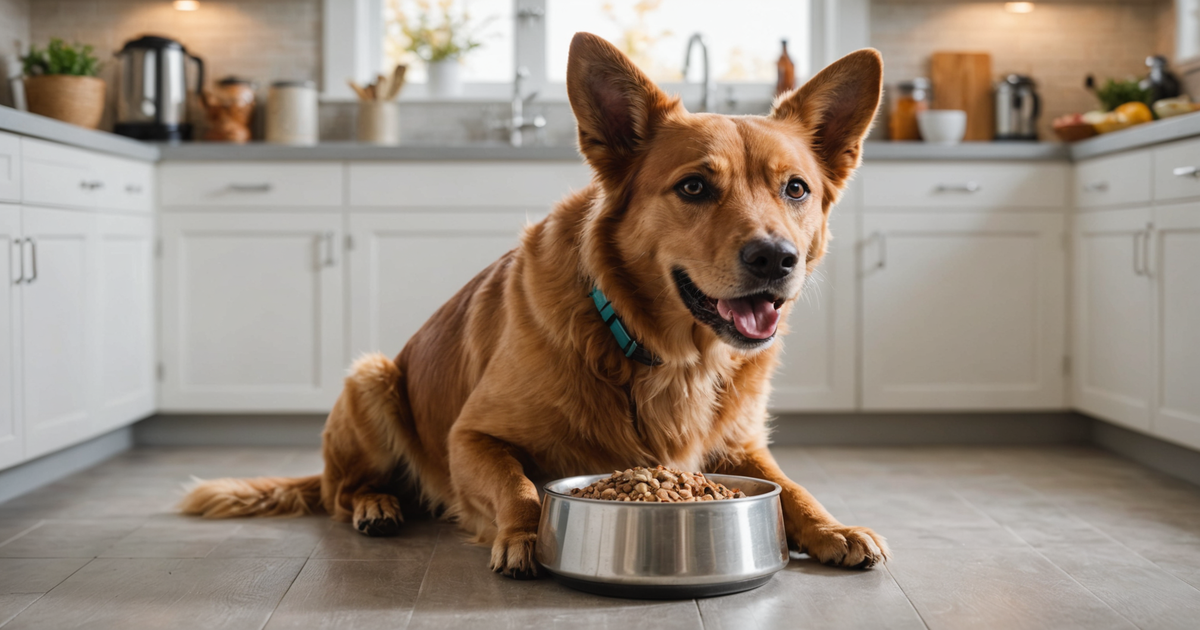
In addition to nutritional benefits, freeze-dried raw food can positively impact your dog’s health. Its minimally processed nature helps reduce the risk of allergies and sensitivities often associated with additives and fillers found in conventional dog foods.
Many dogs experience improved digestion when switched to a freeze-dried raw diet. The natural enzymes present in raw foods can enhance gastrointestinal health and reduce issues like bloating and gas. A study from the American Animal Hospital Association suggests that raw diets may promote better gut health due to their natural composition.
Chewing freeze-dried raw food can support dental health by reducing plaque and tartar build-up. The texture of the food encourages chewing, which can help clean teeth naturally. According to PetMD, raw diets often lead to healthier teeth and gums.
While freeze-dried raw food offers numerous benefits, pet owners should be aware of potential drawbacks. One primary concern is the risk of bacterial contamination, which can occur if the food is not handled or stored properly. However, many reputable brands implement rigorous safety measures to mitigate this risk.
Freeze-dried raw food can be more expensive than traditional kibble. The cost reflects the quality of ingredients and the production process. For budget-conscious pet owners, this may be a significant consideration. However, the long-term health benefits may justify the investment.
Switching to a freeze-dried raw diet should be done gradually to allow your dog’s digestive system to adjust. Start by mixing small amounts of freeze-dried raw food with your dog’s current diet, gradually increasing the proportion over a week or two. This method helps prevent digestive upset and allows your dog to acclimate to the new food.
For more detailed guidance on transitioning diets, visit our full guide on freeze-dried dog food.
So, is freeze dried raw food good for dogs? The answer depends on your dog’s specific needs and preferences. Freeze-dried raw food offers numerous nutritional and health benefits, making it a viable option for many dogs. However, it’s crucial to consider factors like cost and the potential for bacterial contamination. Consulting with a veterinarian can provide personalised advice tailored to your dog’s requirements.
For those interested in exploring freeze-dried options, check out our best freeze-dried food reviewed for our top recommendations.
1. What is freeze-dried raw food?
Freeze-dried raw food is raw pet food that has undergone a dehydration process to remove moisture while preserving nutrients. This method retains the benefits of raw diets without requiring refrigeration.
2. Is freeze-dried raw food safe for dogs?
Yes, when sourced from reputable brands and handled correctly, freeze-dried raw food is safe for dogs. It’s essential to follow storage and feeding guidelines to minimise any risk of bacterial contamination.
3. How do I transition my dog to freeze-dried raw food?
Transition your dog gradually by mixing freeze-dried raw food with their current diet, increasing the amount over one to two weeks. This approach helps prevent digestive upset.
4. Can freeze-dried raw food help with allergies?
Yes, freeze-dried raw food can help reduce allergies in some dogs due to its natural and minimally processed ingredients. However, it’s crucial to identify specific allergens with the help of a veterinarian.
5. Is freeze-dried raw food suitable for all dogs?
While many dogs can benefit from freeze-dried raw food, it’s important to consider individual health needs and consult with a veterinarian, especially for puppies, seniors, or dogs with pre-existing health conditions.
6. How do I store freeze-dried raw food?
Store freeze-dried raw food in a cool, dry place, sealed in its original packaging or an airtight container to maintain freshness and prevent moisture exposure.
7. What are some top brands for freeze-dried raw food?
For recommendations on top freeze-dried raw food brands, see our best freeze-dried meals for pets article for a comprehensive review.