
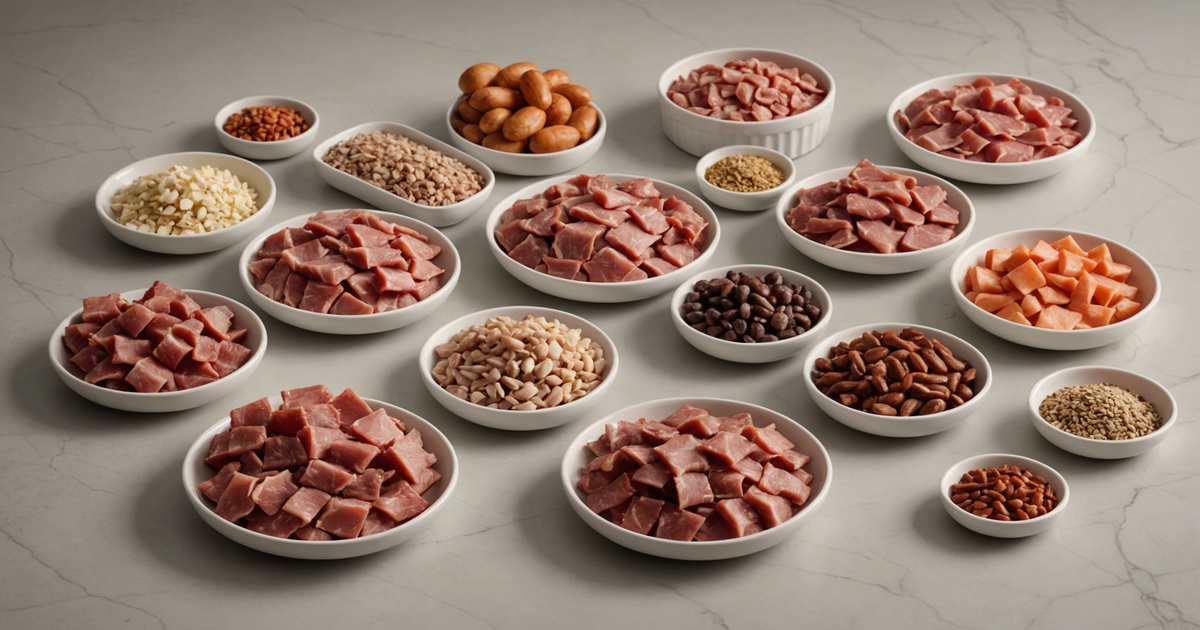
Freeze dried meat has emerged as a popular choice for pet owners seeking a nutritious, portable, and long-lasting option for their furry companions. But what exactly does freeze dried meat contain, and how does it compare nutritionally to other forms of pet food? This article delves into the composition of freeze dried meat, exploring its benefits, nutritional content, and considerations for pet owners. Understanding what goes into freeze dried meat helps you make informed decisions about your pet’s diet, ensuring they receive a balanced and complete nutritional profile. For more detail, see official guidance.
Freeze drying is a preservation method that involves freezing the meat and then reducing the surrounding pressure to allow the frozen water in the meat to sublimate directly from the solid to the gas phase. This process preserves the nutritional value of the meat while extending its shelf life significantly. Unlike traditional drying methods, freeze drying retains the texture, flavour, and nutrients of the meat, making it an excellent option for high-quality pet food. For more detail, see further information.
One of the primary components of freeze dried meat is protein, which is essential for your pet’s muscle development and overall health. Freeze dried meat typically contains a high concentration of protein, as the moisture is removed, leaving a dense nutrient profile. According to the American Kennel Club, dogs require a diet rich in high-quality protein to maintain healthy muscles and tissues. For more detail, see planning resources.
Freeze dried meat retains the natural fats present in the fresh meat, which are vital for providing your pet with energy and aiding in the absorption of fat-soluble vitamins. Fats also contribute to the flavour, making the food more appealing to pets. The AAFCO provides guidelines on the necessary fat content in pet foods to ensure a balanced diet.
The freeze drying process preserves a significant amount of vitamins and minerals found in the raw meat. These nutrients are crucial for various bodily functions, including immune support, bone health, and metabolic processes. Essential vitamins and minerals such as zinc, iron, and B vitamins remain intact, offering a nutritious meal option for your pet.

One of the most notable benefits of freeze dried meat is its extended shelf life. This makes it a convenient option for pet owners who prefer to buy in bulk or travel often. You can explore bulk freeze dried food deals to take advantage of this feature.
Freeze dried meat is lightweight and easy to store, making it an ideal choice for pet owners who are on the go. Whether you’re hiking with your dog or simply need a quick meal solution, freeze dried meat offers unmatched convenience.
The freeze drying process ensures that the nutritional value of the meat is largely retained, providing your pet with high-quality nutrition similar to that of fresh meat. This makes it an attractive option for those who want to provide their pets with a raw diet experience without the associated risks.
While freeze dried meat offers numerous benefits, it can be more expensive than traditional pet foods. Pet owners should weigh the cost against the nutritional advantages and convenience when deciding whether to incorporate freeze dried meat into their pet’s diet.
Freeze dried meat requires rehydration before feeding, which involves adding water to the product to restore its original texture. This step is crucial to ensure your pet receives adequate moisture intake, preventing dehydration.
Although freeze dried meat is nutrient-dense, it should be part of a balanced diet that includes other food groups. Pet owners should consult guidelines from the World Small Animal Veterinary Association and their veterinarian to ensure their pet’s diet meets all nutritional needs.
Freeze dried meat offers a nutritious and convenient option for pet owners looking to provide high-quality protein and essential nutrients to their pets. Its long shelf life and portability make it an attractive choice for those with active lifestyles. However, it is essential to consider the cost and ensure it is part of a balanced diet. By understanding what freeze dried meat contains and how it fits into your pet’s nutritional needs, you can make informed decisions for their health and wellbeing.
1. Is freeze dried meat safe for all pets?
Yes, freeze dried meat is generally safe for most pets, but it is crucial to ensure that it is part of a balanced diet. Consultation with a veterinarian is recommended to tailor the diet to your pet’s specific needs.
2. How long does freeze dried meat last once opened?
Once opened, freeze dried meat should be consumed within a few weeks to maintain its freshness. Storing it in an airtight container can help extend its shelf life.
3. Can freeze dried meat be used as a sole food source?
While freeze dried meat is nutrient-dense, it should not be the sole food source. A balanced diet includes a variety of nutrients from different food groups.
4. How do I properly rehydrate freeze dried meat?
To rehydrate freeze dried meat, add warm water and let it sit for a few minutes until it returns to its original texture. The amount of water needed can vary, so follow the package instructions.
5. Are there any risks associated with freeze dried meat?
The primary risk is not rehydrating the meat properly, which can lead to dehydration in pets. Always ensure that the meat is adequately rehydrated before serving.
6. Where can I purchase freeze dried meat for pets?
Freeze dried meat can be purchased from pet stores, online retailers, or directly from manufacturers. Check out freeze dried cat treats best options for some great choices.
7. What should I look for on the label when buying freeze dried meat?
Look for products that meet AAFCO nutritional standards and check the ingredient list to ensure it aligns with your pet’s dietary needs.
8. How do I know if my pet has a good reaction to freeze dried meat?
Observe your pet for any changes in behaviour, digestion, or overall health after introducing freeze dried meat. If any adverse reactions occur, consult a veterinarian promptly.