
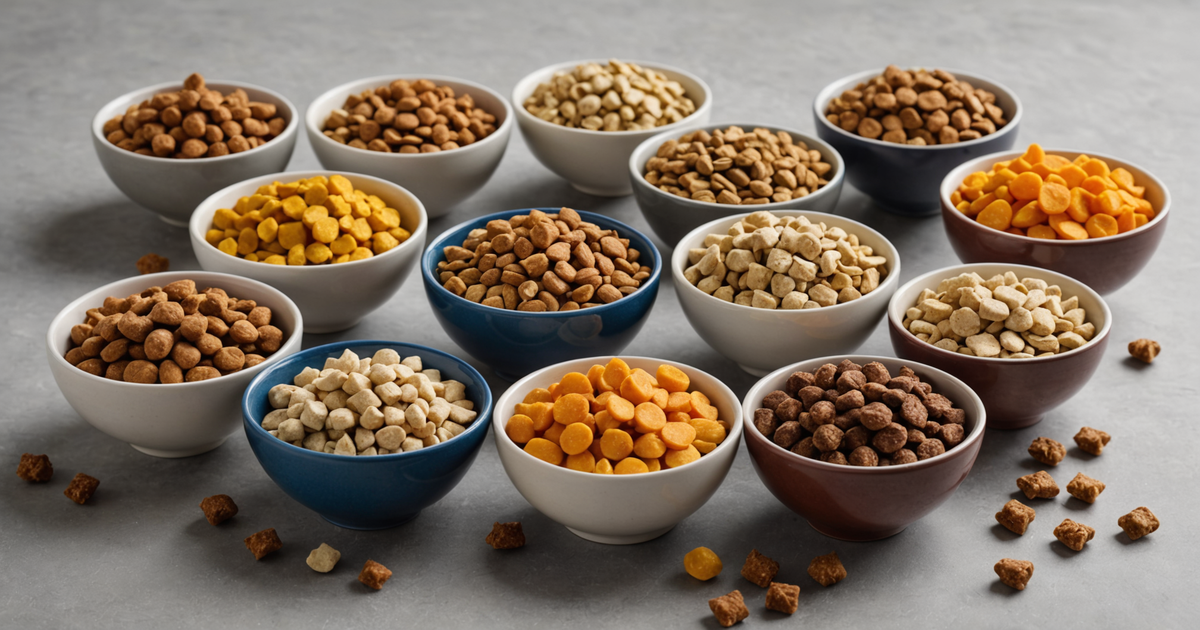
Freeze-dried cat treats have gained significant popularity among pet owners seeking nutritious and convenient snack options for their feline companions. These treats are crafted by removing moisture through a freeze-drying process, which retains the nutritional integrity of the ingredients while extending shelf life. In this comprehensive review, we delve into the benefits and considerations of freeze-dried cat treats, offering insights to help cat owners make informed choices. For more detail, see official guidance.
Freeze-dried cat treats are made by subjecting fresh ingredients to a process that involves freezing and then sublimating the ice directly into vapour, bypassing the liquid stage. This method preserves the nutritional content, flavour, and texture of the ingredients. Unlike traditional drying methods, freeze-drying results in a lightweight, crunchy treat that cats often find irresistible. For more detail, see further information.
Nutritional Retention: One of the primary advantages of freeze-dried treats is their ability to maintain the original nutrients found in the raw ingredients. According to the Pet Nutrition Alliance, this ensures cats receive essential vitamins and minerals without the need for artificial additives. For more detail, see planning resources.
Extended Shelf Life: The absence of moisture in these treats means they have a longer shelf life compared to wet or semi-moist treats. This makes them a practical choice for pet owners looking to stock up on high-quality snacks. For more detail, see local insights.
Pure Ingredients: Freeze-dried treats often boast a short ingredient list, focusing on whole foods like meat, organs, and fish. This aligns with the WSAVA Global Nutrition Guidelines, which recommend feeding pets diets that are minimally processed.
Convenient and Mess-Free: These treats are easy to handle and store, making them a convenient option for training or rewarding your cat without the mess associated with wet treats.
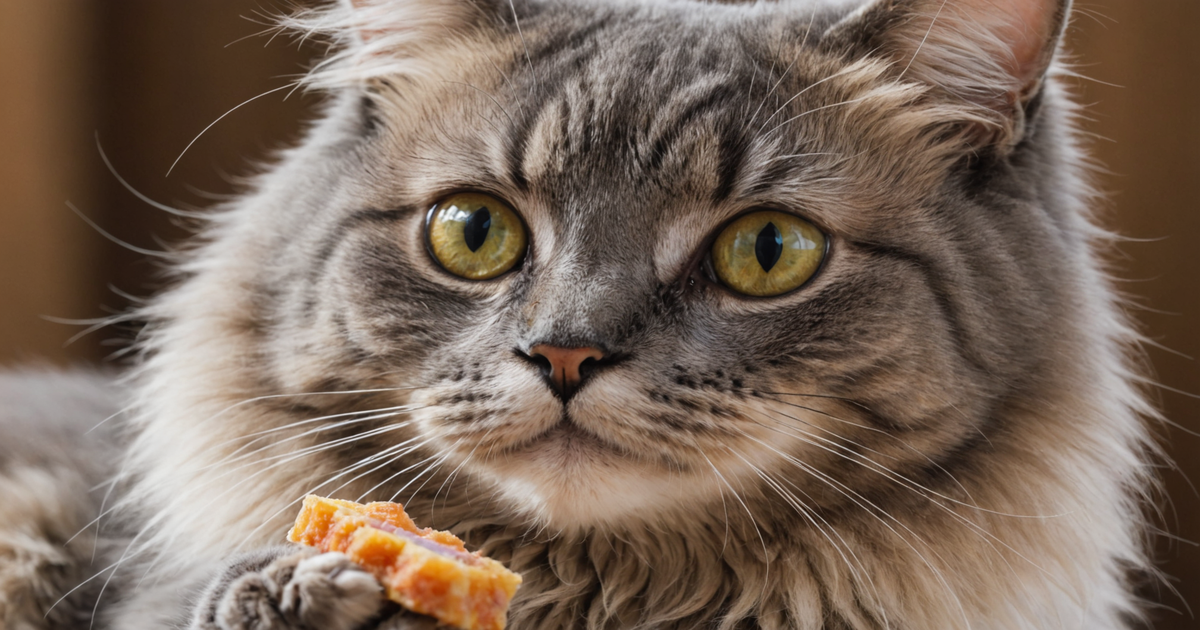
While freeze-dried treats offer numerous benefits, there are several factors to consider when selecting the right product for your feline friend:
Ingredient Sourcing: Ensure the treats are made from high-quality, ethically sourced ingredients. Look for products that specify the origin of their ingredients, as recommended by the AAFCO.
Safety and Quality Standards: Check for certifications or endorsements from recognised pet food authorities, such as the FDA. This ensures the treats meet safety and quality standards.
Caloric Content: Freeze-dried treats can be calorie-dense. It is crucial to monitor the amount given to avoid weight gain, particularly in indoor cats who may have lower activity levels. The AKC advises considering treats as part of your cat’s overall daily caloric intake.
These treats are made with 100% chicken, providing a protein-rich snack for your cat. They are free from artificial additives and preservatives, ensuring a wholesome treat option. The freeze-drying process enhances the natural flavour, making them a favourite among picky eaters.
Rich in omega-3 fatty acids, these salmon treats support skin and coat health. Salmon is known for its anti-inflammatory properties, which can benefit cats with joint issues. According to the AAFCO’s nutrient profiles, omega-3 is essential for a balanced diet.
Known for their high iron content, beef liver treats are excellent for cats needing an iron boost. They are low in carbohydrates, aligning with a cat’s natural dietary needs. For more information on freeze-dried liver treats, visit our freeze-dried liver dog treats guide.
Freeze-dried cat treats offer a nutritious, convenient, and palatable option for rewarding your feline friend. By retaining the essential nutrients found in raw ingredients, these treats ensure your cat receives the best possible snack without unnecessary additives. When selecting freeze-dried treats, consider the sourcing, safety standards, and nutritional content to ensure they align with your cat’s dietary needs.
For further reading on pet nutrition, explore our cat nutrition section.
Freeze-dried cat treats are snacks made by removing moisture from fresh ingredients through a freeze-drying process, preserving the nutritional content and flavour.
Yes, freeze-dried cat treats can be healthy as they retain the nutrients of the raw ingredients. It’s important to choose products with high-quality ingredients and no artificial additives.
Treats should constitute no more than 10% of your cat’s daily caloric intake. It’s advisable to consult with your veterinarian to determine the appropriate amount based on your cat’s dietary needs.
No, freeze-dried treats should not replace a balanced diet. They are designed to be a supplement to your cat’s regular meals, providing additional nutrition and enjoyment.
Look for treats with a short, recognisable ingredient list, clear sourcing information, and certifications from reputable pet food authorities like the FDA.
The primary risk is overfeeding, which can lead to weight gain. It’s essential to monitor portion sizes and ensure the treats fit within your cat’s overall nutritional plan. For guidance, refer to the AAHA’s nutritional resources.
Yes, but ensure they are appropriately sized and introduced gradually. Kittens have different nutritional needs, so consult your veterinarian for advice tailored to your kitten’s diet.