
In recent years, dog freeze dried food has emerged as a popular choice among pet owners striving for optimal nutrition and convenience. As we delve into the world of freeze dried diets, this article aims to provide a comprehensive understanding of what dog freeze dried food entails, its benefits, potential drawbacks, and how to incorporate it into your dog’s diet safely. For more detail, see official guidance.
Dog freeze dried food refers to a type of dog food that has undergone a specific preservation process called freeze drying. This process involves freezing the raw ingredients and then gradually removing the moisture through sublimation. The result is a lightweight, shelf-stable product that retains most of the original nutrients, flavour, and texture of fresh food. For more detail, see further information.
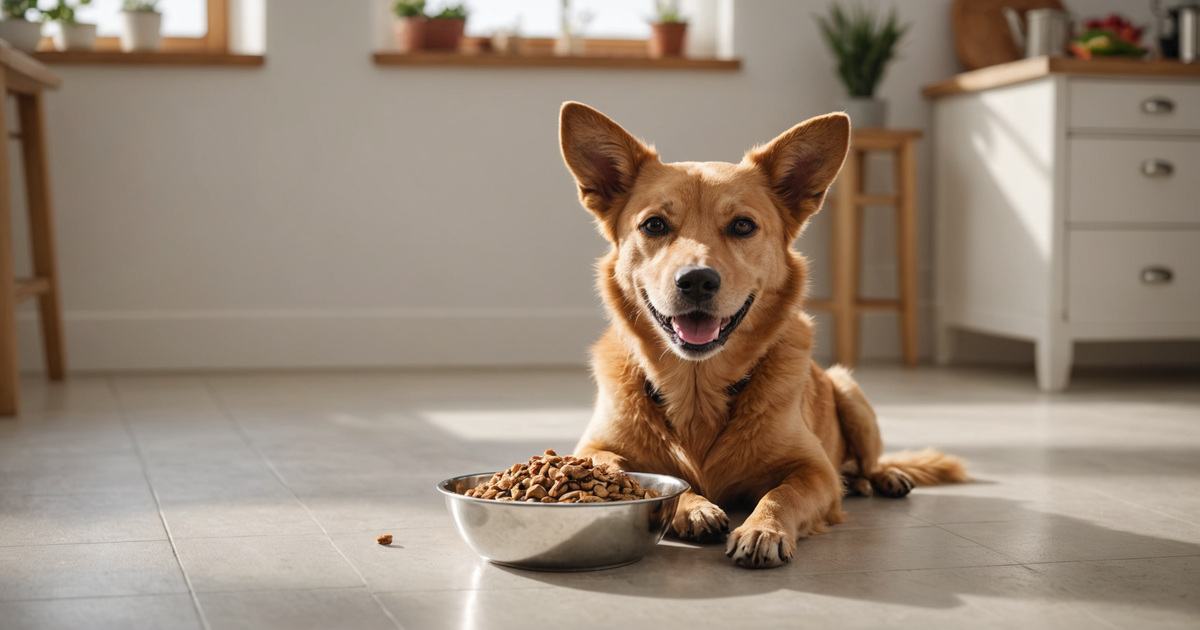
Transitioning to a freeze dried diet should be done gradually to avoid digestive upset. Start by mixing a small amount of freeze dried food with your dog’s current food, gradually increasing the proportion over 7-10 days.
Dog freeze dried food offers a convenient and nutritious alternative to traditional dog diets. By understanding the benefits and potential drawbacks, and carefully transitioning your dog, you can enhance their nutrition and overall well-being. Always consult with your veterinarian to tailor the diet to your dog’s specific needs.
Freeze drying involves freezing the food and removing moisture through sublimation, whereas dehydration uses heat to remove moisture. Freeze drying better preserves the food’s nutritional integrity and flavour.
Generally, freeze dried dog food is safe for most dogs, but it’s essential to consider individual dietary needs and consult a veterinarian, especially for puppies, senior dogs, or those with specific health conditions.
When stored properly, freeze dried dog food can last for several years due to its low moisture content, making it a convenient long-term option.
Yes, many freeze dried dog foods are formulated to be complete and balanced meals. However, always check the packaging or consult with your veterinarian to ensure it meets your dog’s nutritional requirements.
If your dog is hesitant to try freeze dried food, try mixing it with their current food or adding a tasty topper. Gradual introduction can also help them adjust to the new texture and flavour.
Selecting a reputable brand is crucial. Consider looking at pet food reviews to find high-quality options that come recommended by other pet owners.
Look for foods that meet the standards set by the AAFCO for complete and balanced nutrition. This ensures the food provides essential nutrients for your dog’s health.
Yes, freeze dried food can be mixed with kibble or fresh food to enhance nutritional value and palatability. Just ensure the overall diet remains balanced and meets your dog’s nutritional needs.